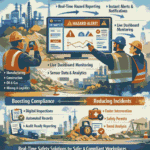
Every workplace, regardless of industry, carries inherent risks. From manufacturing plants and construction sites to warehouses and processing facilities, hazards are part of daily operations. What differentiates organizations with strong safety performance is not the absence of risk, but their ability to recognize patterns, learn from observations, and act before incidents occur. This is where safety audit management software plays a critical role in transforming workplace risks into actionable safety insights.
The Limitations of Traditional Safety Audits
Many organizations still rely on paper-based audits or spreadsheet-driven processes. While these methods may meet basic compliance requirements, they often fail to deliver real value. Paper audits are time-consuming, difficult to track, and rarely analyzed beyond surface-level observations. As a result, recurring hazards, unsafe behaviors, and systemic gaps remain unnoticed until an incident forces attention.
Safety audit management software eliminates these limitations by digitizing the audit process. It enables consistent audit execution, standardized checklists, and centralized data storage, laying the foundation for meaningful analysis rather than fragmented records.
Capturing Risks in Real Time
One of the biggest advantages of safety audit software is real-time data capture. Auditors, supervisors, and safety officers can record unsafe conditions, non-conformities, and at-risk practices directly from the field using mobile devices. Photos, comments, location data, and timestamps add valuable context that traditional audits often lack.
This immediacy ensures that risks are identified where they occur and addressed promptly, reducing the chance of issues being overlooked or delayed due to administrative bottlenecks.
Turning Audit Data into Safety Intelligence
Conducting audits is only the first step. The true value lies in analyzing audit findings to uncover trends and root causes. Safety audit management software consolidates audit data into dashboards and reports that highlight recurring issues, high-risk areas, and audit performance across departments or locations.
For example, repeated audit observations related to housekeeping, machine guarding, or permit-to-work compliance may indicate deeper process or training gaps. These insights allow organizations to move from reactive corrections to proactive risk prevention.
Strengthening Corrective Action Management
A common challenge in safety programs is poor follow-up. Audit findings are documented, but corrective actions are delayed or forgotten. Safety audit management software addresses this gap by integrating corrective and preventive action (CAPA) tracking into the audit workflow.
Each finding can be assigned to a responsible person with defined timelines. Automated reminders and escalation mechanisms ensure accountability and timely closure. This structured approach not only improves compliance but also reinforces trust among workers that reported issues lead to real improvements
Supporting Regulatory Compliance with Confidence
Regulatory bodies increasingly expect documented evidence of proactive safety management. Safety audit management software helps organizations maintain accurate, traceable, and audit-ready records. Inspection reports, corrective actions, and closure evidence are stored securely and can be retrieved easily during internal reviews or external inspections.
More importantly, compliance becomes a natural outcome of good safety practices rather than a last-minute exercise. Consistent audits and documented follow-ups demonstrate due diligence and management commitment to workplace safety.
Improving Safety Culture Through Visibility
When audit results and improvements are visible, safety becomes a shared responsibility. Safety audit management software allows organizations to share key insights during toolbox talks, safety meetings, and leadership reviews. Workers gain clarity on common risks, while managers understand where to focus resources.
Over time, this transparency encourages open communication, reduces blame, and promotes a learning-oriented safety culture. Audits shift from being perceived as fault-finding exercises to tools for continuous improvement.
Integrating with Broader EHS Systems
Modern safety audit management software often integrates with broader EHS management systems, including incident reporting, near miss management, risk assessment, and training modules. This integration provides a holistic view of workplace safety and helps organizations connect audit findings with incidents, behaviors, and risk controls.
By linking audits with other safety processes, organizations gain deeper insights into how risks evolve and how preventive measures perform over time.
Conclusion
Workplace risks cannot be eliminated, but they can be understood, managed, and reduced. The best Safety audit software enables organizations to move beyond basic compliance and transform audits into powerful tools for risk identification and prevention. By capturing real-time data, analyzing trends, ensuring corrective action closure, and supporting a strong safety culture, digital audit systems turn everyday observations into meaningful safety insights.
Organizations that invest in smarter audit management are better equipped to protect their workforce, strengthen operational resilience, and build sustainable safety performance, where prevention is driven by insight, not hindsight.