
Introduction:
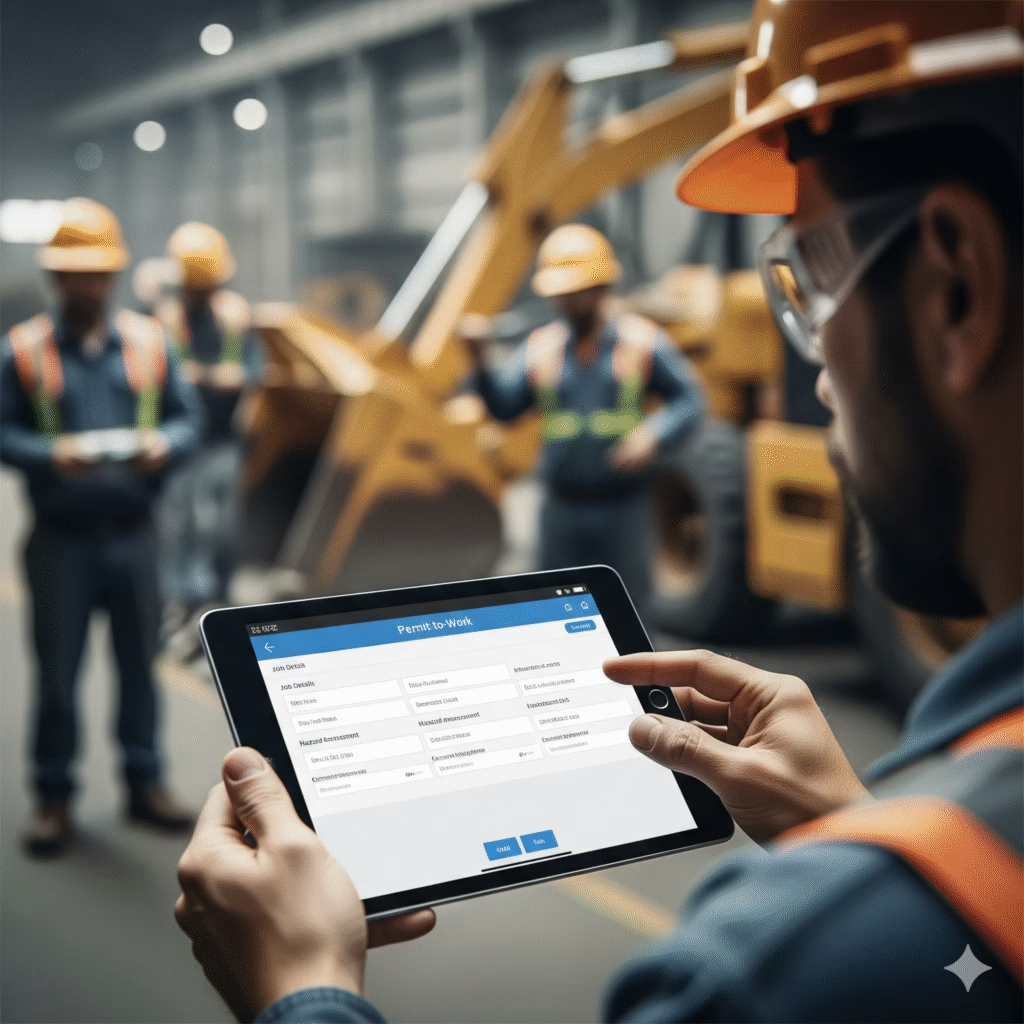
Digital Permit to Work (PTW) system makes the process faster, safer, and more reliable. It allows companies to issue, track, and close permits online, ensuring better compliance, real-time monitoring, and reduced risks. By moving from manual to digital, industries can improve efficiency, enhance workplace safety, and save valuable time.
How Moving from Manual Paper Permits to Digital Permits Saves Time and Reduces Errors:
1. Faster Approval Process
Paper permits often need physical signatures and manual circulation. Digital PTW allows approvals to happen instantly online, saving hours or even days.
2. No Risk of Lost or Misplaced Papers
With paper, permits can get damaged, misplaced, or lost. A digital system stores everything securely in one place, always accessible.
3. Reduced Manual Data Entry Errors
Paper permits rely on handwriting and manual entries, which may cause mistakes. Digital PTW uses standard templates and drop-downs, reducing errors.
4. Real-Time Tracking and Updates
Instead of calling or waiting for physical files, managers can track the status of permits instantly, ensuring smooth workflow and timely approvals.
5. Automated Notifications and Reminders
Digital systems send alerts for pending approvals, expired permits, or upcoming renewals — something paper systems can’t do.
6. Easy Reporting and Audit Trails
Compiling data from paper takes time. Digital PTW generates reports instantly and keeps a clear audit trail for compliance checks.
7. Improved Communication Between Teams
Digital platforms connect workers, supervisors, and safety officers in real time, reducing delays caused by manual back-and-forth.
Step-by-Step Guide to Implementing Digital Permit to Work:
1. Get Management Approval
Before starting, your company needs leadership support. Management should understand the problems with paper permits (slow, errors, compliance risk) and approve the move to digital PTW.
2. Understand Current Process
List down all the permit types you use (hot work, confined space, electrical, etc.) and map how approvals are happening today. This helps you see the gaps and what needs improvement.
3. Set Clear Requirements
Decide what features your digital PTW must have — for example: online approvals, notifications, mobile access, audit trail, and reports. This ensures the system meets your exact needs.
4. Choose the Right Solution
Select a trusted digital PTW software provider or tool. Make sure it is easy to use, secure, and fits your industry standards.
5. Customize Workflows and Templates
Every company’s permit process is different. Configure the software with your own permit forms, approval chains, and safety checklists.
6. Try a Small Test First
Start small maybe with one department, site, or type of permit. This helps you check if the system works as expected before rolling it out everywhere.
7. Train Your Team
Provide training for all employees who will use the system. Show them how to request, approve, and close permits digitally. Make it simple and practical.
8. Go Live Across the Organization
After a successful pilot and training, launch the digital PTW system company-wide. Ensure support is available in case of issues.
9. Monitor and Improve
Track the results — such as faster approvals, fewer errors, and improved safety compliance. Collect feedback from users and keep improving the system.
Future Outlook: How AI and IoT Are Transforming Digital Permit to Work Systems:
1. AI-Powered Risk Prediction
AI can analyse past incidents, permit data, and safety trends to predict potential risks before work begins. This helps supervisors take preventive actions and reduce accidents.
2. Automated Permit Approvals
With AI, routine permits can be auto-checked against safety rules, reducing manual delays. This speeds up approvals while ensuring compliance.
3. Smart Monitoring with IoT Devices
IoT sensors (like gas detectors, temperature sensors, or wearables) can provide real-time data from the worksite. If unsafe conditions are detected, the system can pause or revoke permits instantly.
4. Worker Safety Through Wearables
IoT-enabled helmets, badges, or smartwatches can monitor worker location, fatigue, or exposure to hazardous environments. This ensures only authorized and fit workers enter risky zones.
5. Digital Version to Test Tasks
AI and IoT can create a “digital twin” of work areas, allowing companies to simulate tasks before issuing permits. This helps identify hazards and plan safer operations.
6. Mobile Integration
Future systems will let workers request or close permits using mobile devices, making the process faster and more user-friendly.
7. Real-Time Compliance and Reporting
AI can generate instant compliance reports, while IoT ensures accurate, live data collection. This reduces paperwork and makes audits much easier.
Conclusion:
Implementing a Digital Permit to Work system transforms the way industries manage high-risk tasks. It makes the process faster, safer, and more accurate, reducing human errors and ensuring compliance with safety standards. By adopting digital PTW, companies can monitor work in real-time, improve communication, and create a stronger safety culture across all operations. The move from manual to digital is not just a technological upgrade it’s a step toward smarter, safer, and more efficient industrial operations.