
Safety in manufacturing is important because?

Safety in manufacturing:

There are a number of terms that describe workplace safety, such as environmental, health and safety (EHS), occupational health and safety, and similar terms. Through safety programs, companies manage their safety concerns by controlling the way their employees work and minimizing risk.

In the manufacturing industry, where work involves the use of potentially dangerous machines, materials, and substances, safety is especially important.

Safe working environments involve creating a safe environment in which employees can operate their equipment safely without putting their personal and physical well-being at risk. Training, personal protective equipment, and machine guarding are all key factors in establishing a safe manufacturing environment. In addition, housekeeping and employee involvement, manager training, and more, many other factors also contribute to safe work environments.

The purpose of industrial safety:

  • An industrial safety system must be implemented in order to prevent the loss of life, permanent disability, any damage to the machinery and material of any industrial employee.
  • A higher standard of living requires the increase of production means.
  • To avoid work stoppages and production losses, it is necessary to eliminate the risk.
  • Workman’s compensation, insurance, and accidents costs will be reduced.
  • To prevent accidents in the industry, any hazards must be reduced
  • To improve the morale of industrial workers, it is essential.
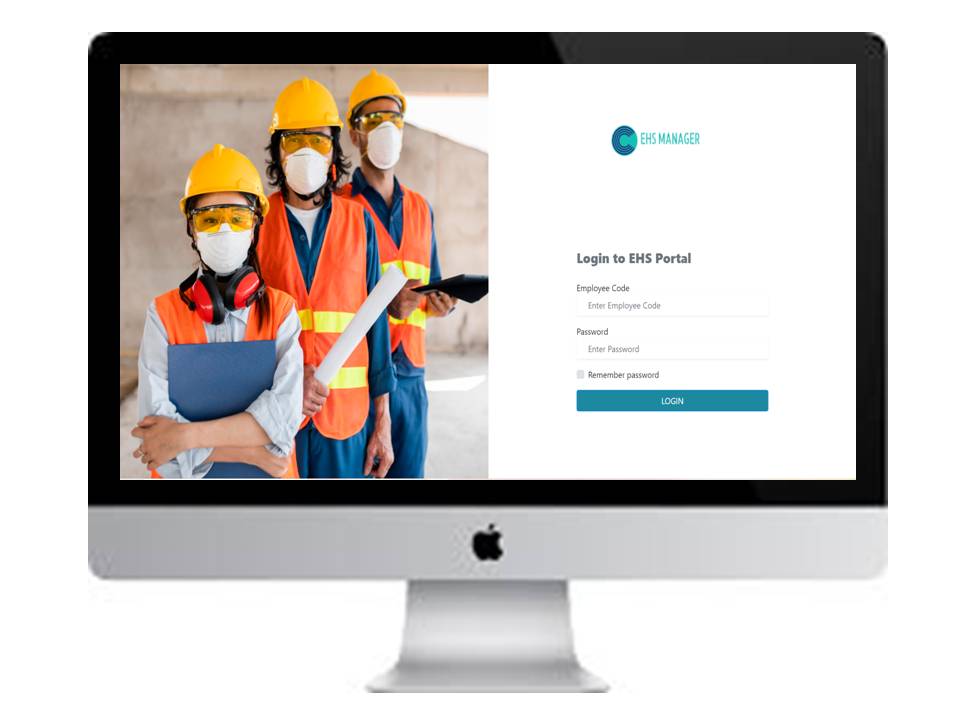
EHS Manager Safety Software for manufacturing industries

Softdesigners focuses on assisting industries in establishing a safe working environment by delivering safety management software that allows businesses to track, analyze, and report on essential safety data and metrics.

Get in touch with us to explore how we can help you manage safety.

Manufacturing Safety FAQ

Why is safety important in manufacturing?
Safety is crucial in manufacturing because workers are exposed to heavy machinery, hazardous materials, and high-risk environments. Implementing strong safety practices helps prevent injuries, reduces downtime, and ensures smooth operations while protecting employees and company assets.
How does workplace safety impact productivity?
A safe workplace improves productivity by reducing accidents, minimizing disruptions, and maintaining consistent operations. Studies show that prioritizing safety leads to better efficiency, higher output quality, and reduced operational costs.
What are the common hazards in manufacturing industries?
Common hazards include machinery accidents, chemical exposure, electrical risks, slips and falls, and ergonomic injuries. Identifying and managing these risks through proper safety systems is essential to prevent workplace incidents.
How does EHS software improve manufacturing safety?
EHS software improves safety by digitizing safety processes such as incident reporting, audits, and risk assessments. It provides real-time insights, ensures compliance, and helps organizations take proactive measures to prevent accidents and build a strong safety culture.
What are the benefits of implementing safety systems in manufacturing?
Safety systems help reduce workplace injuries, ensure regulatory compliance, improve employee morale, and lower operational costs. They also enhance overall efficiency by minimizing downtime caused by incidents.
How can companies improve safety culture in manufacturing?
Companies can improve safety culture by providing regular training, encouraging hazard reporting, using digital safety tools, and involving employees in safety initiatives. A proactive approach helps create a safer and more responsible work environment.