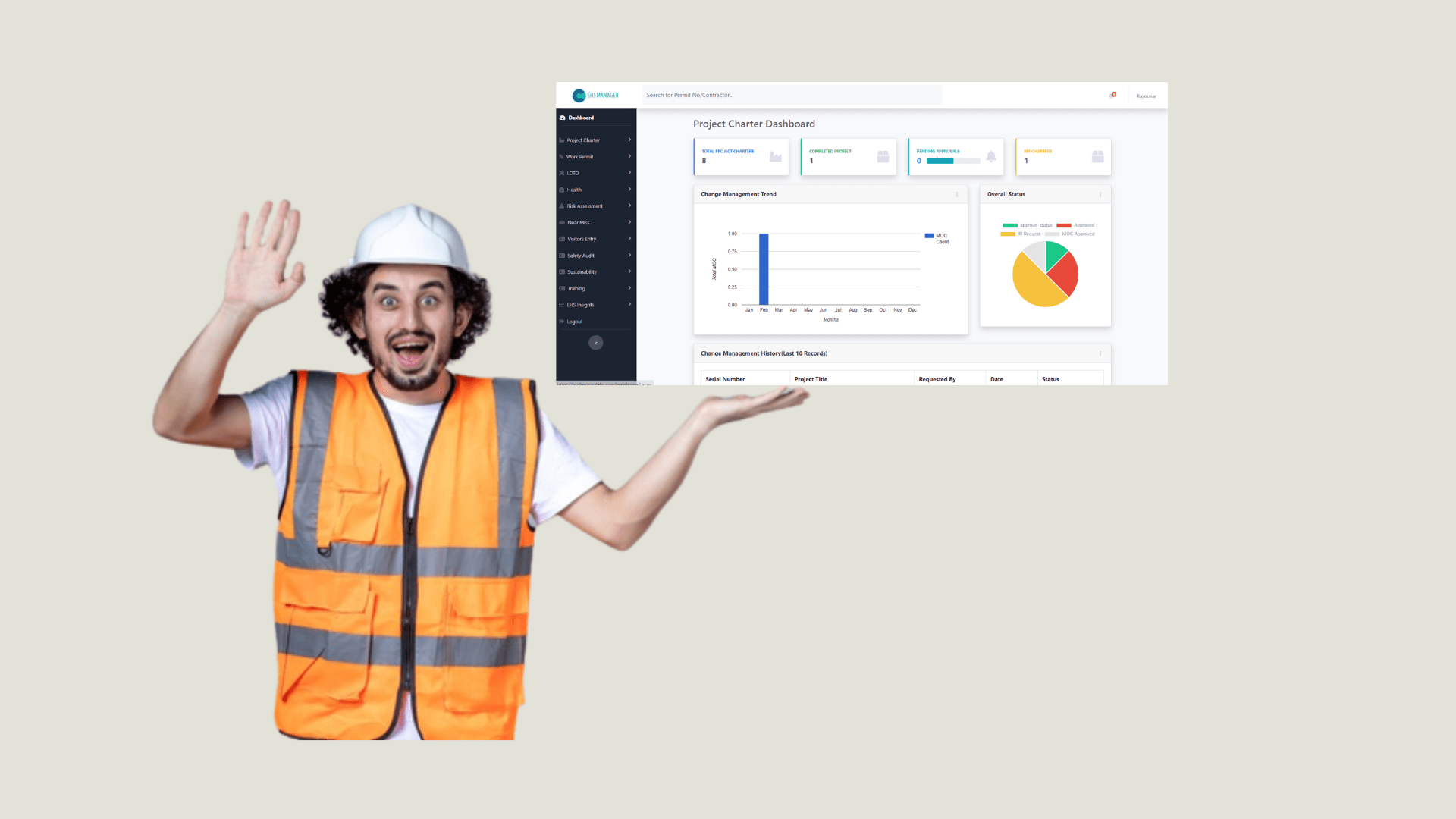

Category: EHS Management Software

EHS Management SoftwareIncident management system

A Comprehensive Guide to Root Cause Analysis tools:

Introduction of Root Cause Analysis Tools:

In the realm of Environment, Health, and Safety (EHS), ensuring a safe and compliant workplace is paramount. One of the indispensable tools in achieving this goal is Root Cause Analysis (RCA), a systematic process that digs deep into incidents to identify the underlying causes. In this blog post, we’ll explore the significance of Root Cause Analysis in EHS software, its benefits, and how organizations can leverage this powerful tool to enhance workplace safety.

Understanding Root Cause Analysis Tools (RCA) in EHS Software:

1.1 Defining Root Cause Analysis:

Root Cause Analysis (RCA) is a systematic and structured method used to identify the fundamental or underlying factors that contribute to a problem, incident, or undesirable outcome. The primary goal of RCA is to go beyond addressing the surface-level symptoms and uncover the root causes, allowing organizations to implement effective corrective actions and prevent the recurrence of similar issues.

1.2 The Need for RCA in EHS:
  • Proactive Incident Prevention:

RCA empowers organizations to proactively identify and address the underlying causes of incidents. By delving deep into the root causes, EHS professionals can implement targeted interventions to prevent the recurrence of similar incidents, fostering a culture of continuous improvement in workplace safety.

  • Compliance Assurance:

Regulatory compliance is a cornerstone of EHS management. Conducting RCA ensures that organizations meet not only the immediate reporting requirements but also the deeper investigation standards mandated by regulatory bodies. This structured approach provides a defensible position during audits and inspections.

  • Data-Driven Decision Making:

RCA involves the systematic collection and analysis of data related to incidents. This data-driven approach allows EHS professionals to identify patterns, trends, and systemic issues that may not be immediately apparent. Informed decision-making based on comprehensive data ensures that corrective actions are strategic and effective.

  • Continuous Improvement:

Root Cause Analysis aligns seamlessly with the concept of continuous improvement. By uncovering the fundamental factors contributing to incidents, organizations can implement changes that not only address immediate concerns but also enhance overall safety processes. This cycle of analysis, action, and improvement creates a dynamic and resilient EHS framework.

  • Enhanced Risk Mitigation:

Understanding the root causes of incidents enables organizations to implement targeted corrective actions that go beyond mere symptom management. This, in turn, enhances risk mitigation strategies. By addressing the foundational issues, organizations can systematically reduce the likelihood of future incidents, thereby promoting a safer and more secure work environment.

1.3 Integration with EHS Software:

Root Cause Analysis (RCA) is a crucial component of any robust EHS Management Software. It enables organizations to identify the underlying causes of incidents or near misses, empowering them to implement corrective actions that prevent recurrence. In the realm of modern EHS software, incorporating RCA as a feature enhances the overall incident management process, providing a centralized and streamlined platform for thorough analyses. 

Benefits of Root Cause Analysis in EHS Software:

  • Incident Prevention: Root Cause Analysis in EHS software identifies underlying factors, enabling organizations to proactively implement corrective actions and prevent the recurrence of incidents.
  • Continuous Improvement: By fostering a culture of continuous improvement, EHS software with RCA features empowers organizations to evolve safety processes, minimize risks, and enhance overall environmental and occupational health.

Conclusion:

In conclusion, Root Cause Analysis in EHS software is a pivotal tool for organizations committed to creating safer workplaces. By looking into the root causes of incidents, organizations not only mitigate immediate risks but also lay the groundwork for continuous improvement. Embrace the power of RCA within your EHS software and embark on a journey towards a safer, more resilient workplace.


EHS Management SoftwareIncident management system

Top Challenges in Manual Incident Management System

Overcoming Manual Incident Management System Challenges: EHS Software Solutions Leading the Way

Introduction:

In the ever-evolving landscape of Environment, Health, and Safety (EHS), an incident management system stands as a critical component for ensuring the well-being of employees and the overall success of an organization. While manual incident management has long been the norm, it comes with its own set of challenges. In this blog, we’ll explore some of the top challenges associated with manual incident management and how EHS software solutions offer effective remedies.

1. Inefficient Incident Reporting:

Challenge:

Manually reporting incidents is time-consuming and prone to delays, hindering the swift response required for effective resolution.

Solution:

Implementing EHS software introduces streamlined incident reporting processes, enabling employees to report incidents in real time. This ensures prompt attention to potential hazards and faster resolution.

2. Lack of Centralized Data Management:

Challenge:

Managing incident data across various spreadsheets and documents leads to fragmented information, making it challenging to gain a comprehensive view of safety performance.

Solution:

EHS software provides a centralized platform for incident data management. This ensures easy access to information, facilitates analysis, and supports data-driven decision-making for continuous improvement.

3. Compliance Challenges:

Challenge:

Staying compliant with ever-changing safety regulations is a complex task with manual incident management, leading to the risk of regulatory violations.

Solution:

EHS compliance software automates compliance tracking, providing real-time updates on regulatory changes. This ensures that organizations stay ahead of compliance requirements, minimizing the risk of penalties.

4. Ineffective Communication

Challenge:

Communication breakdowns are common in manual incident management, leading to delays in notifying relevant parties and coordinating response efforts.

Solution:

EHS software enhances communication by providing a platform for real-time updates, notifications, and collaboration. This ensures that all stakeholders are informed promptly, fostering a more coordinated and efficient response.

5. Delayed Investigations and Root Cause Analysis

Challenge:

Manual incident management often results in delayed investigations and root cause analyses, preventing organizations from addressing the underlying issues promptly.

Solution:

Incident Management Software automates the investigation process, enabling organizations to conduct thorough analyses promptly. This facilitates the identification of root causes and the implementation of corrective actions to prevent recurrence.

6. Limited Data Analysis and Reporting Capabilities

Challenge:

Manual incident management lacks robust data analysis and reporting capabilities, hindering organizations from extracting meaningful insights for proactive safety measures.

Solution:

EHS software comes equipped with powerful analytics tools, allowing organizations to analyze incident trends, identify patterns, and generate comprehensive reports. This data-driven approach supports continuous improvement in safety protocols.

7. Difficulty in Tracking Corrective Actions

Challenge:

Manually tracking corrective actions is prone to oversight, leading to the potential recurrence of incidents.

Solution:

EHS software provides a systematic approach to tracking corrective actions. It ensures that actions are assigned, monitored, and completed, reducing the risk of recurring incidents and improving overall safety performance.

Conclusion:

The challenges associated with manual incident management are vast, but the implementation of EHS software solutions offers a transformative remedy. By embracing digital tools, organizations can streamline incident reporting, enhance data management, ensure compliance, and foster a culture of continuous improvement. The result is a safer and more resilient workplace, where incidents are minimized, and the well-being of employees takes center stage.

EHS Management SoftwarePermit to work Management

EHS Permits Management –How a Software Can Help?

Introduction of EHS Permits Management:

Environmental, Health, and Safety (EHS) management is a multifaceted discipline, and permits play a pivotal role in maintaining compliance and ensuring the well-being of both the workforce and the environment. In this blog, we will explain the importance of EHS permits management. We’ll examine the transformative impact of software systems on this critical aspect of EHS management.

Understanding EHS Permits Management

In the occupational safety, permits to work (PTWs) are indispensable tools for managing and mitigating potential risks associated with various tasks. Different types of permits cater to specific work scenarios, ensuring that proper precautions are taken. Let’s explore the key types of permits to work and their significance in creating a safer work environment.

Types of Permits
1. Hot Work Permits:

Hot work involves tasks that generate heat, sparks, or open flames, presenting an increased risk of fire. Hot work permits ensure that the necessary precautions, such as fire-resistant barriers and fire extinguishers, are in place to prevent accidents and protect personnel and property.

2. Confined Space Permits:

Confined spaces pose unique risks due to limited entry and exit points, inadequate ventilation, and potential exposure to hazardous substances. Confined space permits are essential for tasks within such environments, outlining safety measures, emergency procedures, and equipment requirements to safeguard workers.

3. Electrical Work Permits:

Tasks involving electrical systems require specific precautions to prevent electrical shocks, fires, or other hazards. Electrical work permits detail safety measures, such as de-energizing circuits, using appropriate personal protective equipment (PPE), and employing qualified personnel for the job.

4. Excavation Permits:

Excavation work involves digging or trenching activities, and failure to follow proper procedures can lead to cave-ins or other hazards. Excavation permits mandate soil analysis, shoring or sloping requirements, and the presence of a competent person to oversee the work, ensuring the safety of workers.

5. Work-at-Height Permits:

Tasks performed at elevated locations introduce the risk of falls, making work-at-height permits essential. These permits address measures such as the use of fall protection equipment, guardrails, or safety nets, emphasizing the importance of preventing accidents when working at elevated levels.

6. Radiation Permits:

In settings where radiation sources are present, radiation permits are crucial. These permits specify safety measures to minimize exposure, including the use of protective barriers, monitoring radiation levels, and implementing controlled access zones.

7. Permit for Hazardous Substances:

When working with hazardous substances, a permit detailing safety protocols is mandatory. This may include proper storage, handling procedures, emergency response plans, and the use of appropriate personal protective equipment (PPE) to mitigate the risks associated with the substances.

8. Maintenance Permits:

Maintenance work often involves shutting down equipment or systems, creating potential safety hazards. Maintenance permits outline safety measures, isolation procedures, and steps for restoring operations safely, ensuring that maintenance activities are conducted without compromising safety.

The Role of Software Systems in EHS Permits Management

  • Centralized Data Management

EHS permits management involves a myriad of documents, from permit applications to compliance reports. A robust software system centralizes this data, providing a secure repository for documents, easy access, version control, and efficient document management. This not only ensures data integrity but also simplifies the auditing process.

  • Automated Workflows

Streamlining the permit application and approval process is paramount for efficiency. Software systems offer automated workflows, reducing the risk of manual errors, accelerating response times, and ensuring that every step in the permit lifecycle is seamlessly executed. This automation promotes consistency and transparency in the permits management process.

  • Real-time Monitoring

Effective permits management requires real-time monitoring capabilities. Software systems enable EHS professionals to track the status of permits, identify bottlenecks, and address issues promptly. This proactive approach enhances overall operational efficiency and minimizes delays in the permitting process.

  • Integration with EHS Modules

To truly optimize EHS management, it’s crucial to integrate permits management with other EHS modules. This interconnected approach allows for a holistic view of EHS performance. Integrating with incident management and risk assessment modules, for example, provides a comprehensive understanding of an organization’s overall safety and compliance landscape.

  • Reporting and Analytics

Harnessing the power of data is a key benefit of software systems. Advanced reporting and analytics features not only aid in generating compliance reports but also provide valuable insights into trends and patterns. This data-driven approach empowers organizations to make informed decisions, continuously improve EHS practices, and stay ahead of emerging risks.

Conclusion

Effectively navigating the complexities of EHS Management Software is paramount for organizations committed to safety, compliance, and operational excellence. The integration of cutting-edge software systems into this process is a strategic move toward achieving these goals. By centralizing data, automating workflows, and leveraging real-time monitoring, organizations can not only meet regulatory requirements but also foster a culture of safety and sustainability. Embrace the transformative power of EHS permit to work software to ensure a safer, more compliant, and environmentally responsible future for your organization.

EHS Permit Management Software FAQ

What is EHS permit management software?
EHS permit management software is a digital solution that helps organizations create, manage, approve, and track work permits for high-risk activities. It ensures that all safety procedures, approvals, and compliance requirements are followed before work begins.
What is a permit-to-work (PTW) system?
A permit-to-work system is a formal safety process used to control hazardous work activities by defining the scope of work, identifying risks, and ensuring proper authorization and precautions are in place.
How does permit management software improve workplace safety?
The software improves safety by ensuring that all hazards are identified, risk assessments are completed, and only authorized personnel perform high-risk tasks. It also enforces safety checks and prevents work from starting without proper approvals.
What are the key features of permit management software?
Key features include digital permit creation, automated approvals, real-time tracking, risk assessment integration, isolation management, dashboards, and audit-ready reporting. These features streamline the entire permit lifecycle from request to closure.
How does digital permit management reduce risks?
Digital systems reduce risks by automating workflows, ensuring all safety steps are followed, and providing real-time visibility into ongoing work. This helps identify hazards early and prevent incidents before they occur.
Can permit management software improve compliance and audits?
Yes, the software maintains detailed records of permits, approvals, and risk assessments, making it easier to meet regulatory requirements and prepare for audits. It ensures transparency and accountability across all operations.
Why should businesses switch from paper-based permits to digital systems?
Paper-based systems are slow, error-prone, and lack visibility, while digital permit systems automate processes, reduce delays, improve accuracy, and provide real-time tracking for better decision-making and safety management.
EHS Management Software

Benefits of Using Safety Management Software

Introduction:

Digital transformation is more than a slogan in the ever-changing field of environment, health, and safety (EHS); it is a strategic necessity. Leaders in the Environmental Health and Safety (EHS) field are at the forefront of encouraging innovation for safety, compliance, and sustainability as industries transform and global concerns like pandemics and climate change endure. This comprehensive guide explores the key aspects of digital transformation for EHS leaders, providing insights, strategies, and practical considerations to navigate the transformative journey successfully.

Understanding Digital Transformation in EHS

Digital transformation in the EHS Software solution involves the integration of innovative technology to enhance risk management, sustainability efforts and operational efficiency. It’s about leveraging data, analytics and emerging technologies to make more informed decisions, streamline processes and adapt to a rapidly changing regulatory landscape.

  • Improving Safety Performance:
    Digital tools enable real-time monitoring of safety metrics, incident reporting, and predictive analytics, empowering organizations to proactively address potential hazards and prevent accidents.
  • Ensuring Regulatory Compliance:
    Regulatory requirements are evolving, and digital systems provide a proactive approach to compliance management, ensuring that organizations stay ahead of regulatory changes and avoid penalties.
  • Driving Sustainability Initiatives:
    Digital transformation supports sustainability goals by providing tools for monitoring environmental impact, carbon footprint reduction and resource management.

Key Components of EHS Digital Transformation

1) Integrated EHS Management Systems

  • Centralized Data Management:
    Digital platforms offer a centralized repository for EHS data, fostering collaboration and providing a comprehensive view of organizational performance.
  • Automation of Compliance Processes:
    Streamlining compliance tasks through automation ensures accuracy, reduces manual errors, and frees up EHS professionals to focus on strategic initiatives.

2) Emerging Technologies in EHS

  • Internet of Things (IoT):
    IoT devices, such as sensors and wearables, play a crucial role in real-time data collection for monitoring workplace conditions, air quality, and employee well-being.
  • Artificial Intelligence (AI) and Machine Learning:
    AI enhances risk assessment, incident prediction, and decision-making, while machine learning algorithms can identify patterns and trends in large datasets.

3) Digital Risk Management

  • Predictive Analytics for Incident Prevention:
    By analyzing historical data, organizations can predict potential risks and take preventive measures to minimize the likelihood of incidents.
  • Continuous Monitoring for Early Detection:
    Real-time monitoring allows for early detection of anomalies, enabling quick responses to potential safety or environmental threats.

Strategies for Successful EHS Digital Transformation

  • Building a Culture of Innovation:
    EHS leaders must foster a culture that embraces innovation, encouraging employees to adapt to new technologies and methods.
  • Securing Leadership Support:
    Digital transformation requires commitment from top leadership to allocate resources, set goals, and prioritize EHS initiatives.
  • Employee Training and Change Management:
    Equip employees with the necessary skills to navigate new digital tools and ensure that change management strategies are in place to address potential resistance.

Looking Ahead: Future Trends in EHS Digital Transformation

1) Integration of Augmented Reality (AR) and Virtual Reality (VR)

  • Training and Simulation:
    AR and VR technologies are poised to revolutionize EHS training by providing realistic simulations for emergency scenarios and safety protocols.

2) Blockchain for Transparency and Accountability

  • Supply Chain Sustainability:
    Explore how blockchain technology can enhance transparency in supply chains, ensuring the traceability and sustainability of sourced materials.

Conclusion of Safety Management software:

As EHS leaders navigate the complexities of a rapidly changing world, digital transformation emerges as the compass guiding organizations toward safer, more sustainable futures. By embracing innovative technologies, fostering a culture of collaboration, and addressing challenges head-on, EHS professionals can lead their organizations into a new era of efficiency, resilience, and environmental stewardship. The journey may be challenging, but the rewards in terms of safety, compliance, and sustainability make the path of digital transformation a strategic imperative for the modern EHS leader.

Safety Management Software FAQ

What is safety management software?
Safety management software is a digital platform that helps organizations manage workplace safety processes such as incident reporting, risk assessments, audits, inspections, and compliance tracking in a centralized system.
What are the key benefits of using safety management software?
Key benefits include improved workplace safety, real-time data visibility, automated workflows, enhanced compliance, and reduced operational risks. It also enables faster decision-making and better safety performance.
How does safety management software improve workplace safety?
The software improves safety by enabling real-time incident reporting, hazard identification, and corrective action tracking. This proactive approach helps prevent accidents before they occur.
Can safety management software help reduce costs?
Yes, it reduces costs by minimizing workplace incidents, lowering insurance claims, reducing downtime, and automating manual processes. This leads to significant long-term savings.
How does safety software support regulatory compliance?
Safety management software helps organizations stay compliant by tracking regulations, maintaining documentation, and generating audit-ready reports. It ensures adherence to safety standards and reduces the risk of penalties.
What features should businesses look for in safety management software?
Important features include incident management, risk assessment tools, audit and inspection management, dashboards, real-time alerts, and analytics for better decision-making.
How does safety management software improve productivity?
By automating repetitive tasks and centralizing data, safety software reduces administrative workload and allows employees to focus on core operations, improving overall productivity.
EHS Management Software

Streamline EHS Solutions with Dashboards and Analytics

Making Work Safer and Smoother: A Guide to Streamlining EHS Solutions with Dashboards and Analytics

Introduction:

Creating a safe and healthy work environment is a top priority for every organization. Fortunately, with the help of dashboards and analytics, we can take our EHS (Environment, Health, and Safety) efforts to the next level. In this blog, we’ll explore how these powerful tools can streamline EHS processes, making the workplace safer and operations smoother.

Section 1: Understanding Dashboards and Analytics:

Before we dive into the benefits, let’s understand what dashboards and analytics are. Dashboards are like control centers that display key information in a visually accessible way. Analytics involves analyzing data to gain insights and make informed decisions. When applied to EHS solutions, these tools become invaluable for monitoring and improving safety measures.

Section 2: Real-time Monitoring for Proactive Safety:

Dashboards equipped with real-time data provide a live overview of safety metrics. From tracking incidents to monitoring air quality, these dashboards allow organizations to identify potential issues before they escalate. This proactive approach enhances overall safety and prevents accidents.

Section 3: Enhanced Reporting and Compliance:

Analytics tools help in generating detailed reports on safety performance and compliance. By analyzing historical data, organizations can identify trends, assess risks, and ensure that safety protocols are consistently followed. This not only keeps the workplace secure but also helps in meeting regulatory requirements.

Section 4: Optimizing Emergency Response:

In times of crisis, every second counts. Dashboards can be customized to include emergency response protocols and contact information. This ensures that, in case of an incident, the response team can quickly access critical information, leading to a more efficient and effective emergency response.

Section 5: Employee Engagement and Training:

Dashboards and analytics can also play a role in employee engagement and training. By tracking training completion rates and safety participation, organizations can identify areas that need improvement. This data-driven approach enables targeted training programs, ensuring that employees are well-prepared to handle safety procedures.

Conclusion:

Incorporating dashboards and analytics into EHS Management Software is a smart move toward creating a safer and more efficient workplace. These tools provide a comprehensive view of safety metrics, empower proactive decision-making, and enhance overall safety measures. As technology continues to evolve, leveraging these tools becomes increasingly important in ensuring the well-being of employees and the success of the organization.

Embrace the power of dashboards and analytics to unlock safety excellence in your organization

EHS Dashboards & Analytics FAQ

What are EHS dashboards?
EHS dashboards are visual tools that display key safety metrics, compliance data, and performance indicators in one place. They help organizations monitor workplace safety and make data-driven decisions effectively.
How do dashboards help streamline EHS processes?
Dashboards centralize all safety data into a single platform, reducing manual tracking and improving efficiency. They provide real-time visibility into incidents, audits, and compliance activities, enabling faster decision-making and streamlined operations.
What is the role of analytics in EHS software?
EHS analytics uses data from incidents, audits, inspections, and reports to identify trends and potential hazards. This helps organizations predict risks and take proactive actions to improve workplace safety.
What key metrics are tracked in EHS dashboards?
Common metrics include incident rates, near misses, audit results, training completion, inspection status, and corrective actions. These indicators help organizations monitor both leading and lagging safety performance.
How do EHS dashboards improve decision-making?
By presenting real-time data in a visual format, dashboards allow managers to quickly identify trends, risks, and performance gaps. This enables faster, data-driven decisions that enhance safety and compliance.
Can EHS dashboards help with compliance and reporting?
Yes, dashboards simplify compliance by tracking regulatory requirements, audits, and documentation in one place. They also generate automated reports, making it easier to meet audit and reporting standards.
What are the benefits of using dashboards and analytics together?
Combining dashboards with analytics provides real-time visibility and predictive insights. This helps organizations move from reactive safety management to proactive risk prevention, improving overall workplace safety and efficiency.
EHS Management SoftwareEHS mobile app

The Evolution of EHS Mobile Apps for Workplace

EHS mobile apps evolution and its positive impact on safety performance

Introduction:

Workplace safety is crucial in the fast-paced world of today. Creating a safe and secure work environment is a shared objective among employers, employees, and regulatory organizations. Technology has come a long way in improving EHS safety solution performance, and the EHS (Environmental, Health, and Safety) mobile app is one of the biggest developments in this area.

We’ll walk you through the revolutionary potential of EHS mobile apps to enhance safety performance in this blog.

The Need for Change

Traditional safety management methods frequently relied on manual reporting, paperwork, and in-person meetings. Although these techniques were effective, they were difficult, subject to mistakes, and did not provide real-time data. It became clear that a more effective, easily accessible, and integrated solution was required. To fill the void, EHS apps were used in this situation.

Embracing Technology

The EHS mobile app journey began with the recognition that mobile devices had become ubiquitous tools in our daily lives. Leveraging this technology, businesses began to develop apps that addressed the specific needs of the EHS industry. These apps provided a platform for employees to report incidents, near misses, and safety concerns on the go, making reporting easier and more accessible.

Real-Time Reporting and Data Analysis

One of the most significant advantages of EHS mobile apps is their ability to provide real-time reporting. Incidents and safety concerns can be reported immediately through the app, ensuring that necessary actions are taken promptly. This timely response can prevent accidents, injuries, or environmental hazards from escalating.

Moreover, these apps collect and store valuable data, which can be used to analyze trends and identify areas for improvement. Data-driven decision-making is at the core of enhancing safety performance, and EHS apps are instrumental in facilitating this.

Streamlined Communication

Additionally, EHS apps have transformed internal communication in businesses. They make it possible for management, safety officers, and staff to communicate directly and instantly. Real-time messaging, alerts, and notifications make sure that everyone is aware of the latest safety procedures and practices.

Customization and Scalability

EHS apps are not one-size-fits-all solutions. They are highly customizable to suit the unique needs of each organization. From configuring specific safety checklists to tailoring incident reporting forms, these apps can adapt to your organization’s requirements. As your organization grows, the app can scale with you, ensuring that safety remains a top priority.

Accessibility Anytime, Anywhere

The beauty of EHS apps lies in their accessibility. Safety is not confined to the workplace; incidents can happen anywhere. With mobile apps, employees can report concerns from remote job sites, while traveling, or during off-hours. This accessibility ensures that safety is a 24/7 commitment.

Enhancing Training and Compliance

EHS apps also aid in training and compliance efforts. Organizations can deliver EHS safety training software modules, and resources directly through the app. Employees can access this information at their convenience, promoting better awareness and understanding of safety protocols.

Conclusion:

The journey of the EHS mobile app has undoubtedly transformed safety performance in the workplace. By embracing technology, enabling real-time reporting and data analysis, streamlining communication, and offering customization, scalability, and accessibility, these apps have become invaluable tools for ensuring the well-being of employees and the protection of the environment. As technology continues to advance, we can only expect EHS apps to become even more sophisticated and essential in our pursuit of safety excellence. It’s a journey that’s worth every step, as the destination is a safer and more secure workplace for everyone.

EHS Mobile Apps FAQ

What are EHS mobile apps?
EHS mobile apps are digital tools designed to help organizations manage environmental, health, and safety processes directly from smartphones or tablets. They enable employees to report incidents, conduct inspections, and access safety information anytime, anywhere.
How have EHS mobile apps evolved over time?
EHS mobile apps have evolved from basic reporting tools to advanced platforms with real-time analytics, automated workflows, and AI-driven insights. They now support proactive safety management rather than just reactive reporting.
What are the key benefits of EHS mobile apps in the workplace?
Key benefits include real-time incident reporting, improved communication, better data accuracy, enhanced compliance, and increased efficiency. These apps also help organizations identify risks faster and take immediate corrective action.
How do EHS mobile apps improve workplace safety?
They improve safety by enabling instant reporting of hazards and incidents, allowing quick response and prevention of escalation. Real-time data and analytics help organizations identify trends and reduce risks proactively.
Can EHS mobile apps support compliance and audits?
Yes, EHS mobile apps track safety activities, maintain digital records, and generate reports, making it easier to meet regulatory requirements and prepare for audits without manual paperwork.
What features should businesses look for in an EHS mobile app?
Important features include real-time reporting, inspection checklists, hazard identification tools, push notifications, data analytics dashboards, and integration with existing systems to ensure seamless safety management.
Why are EHS mobile apps important for digital transformation?
EHS mobile apps play a key role in digital transformation by replacing manual processes with automated workflows, improving data visibility, and enabling smarter, data-driven decision-making across organizations.
EHS Management Software

EHS Safety Software Pricing: 7 Key Factors for Decisions

EHS Software Pricing – Key Factors to Consider for Informed Decision-Making for Your Industry

Environment, Health, and Safety (EHS) software has become an indispensable tool for organizations across various industries. It helps manage compliance, ensure workplace safety, and foster sustainability. However, choosing the right EHS Safety Software Solution is not just about its features and capabilities. Pricing plays a crucial role in the decision-making process.

In this blog, we’ll explain in detail about the key factors you should consider when evaluating EHS software pricing to make an informed and cost-effective choice.

1. Software Licensing Model

EHS software pricing typically includes various licensing models, such as per user, per site, or per module. Understanding which model aligns with your organization’s needs is essential. Consider the scale of your operations, the number of users, and the modules required for comprehensive EHS management. Select a licensing model that offers flexibility and scalability to accommodate your future growth.

2. Implementation and Training Costs

The initial cost of EHS software is just the beginning. Implementation and training are crucial aspects that can significantly impact the total investment. Evaluate whether the software provider offers assistance with implementation and training, and inquire about associated costs. A well-supported implementation process can reduce downtime and ensure a smoother transition.

3. Customization and Integration

EHS software should align with your unique workflows and requirements. Customization and integration capabilities are important factors to consider in pricing. Ensure the software can adapt to your specific EHS needs without incurring excessive costs. Also, check for the software’s compatibility with your existing systems and whether additional integration efforts are necessary.

4. Ongoing Maintenance and Support

Post-implementation, ongoing maintenance and support are essential for software performance and compliance. Understand the costs associated with software updates, technical support, and maintenance. Ensure you have a clear picture of the service level agreements (SLAs) and response times provided by the software provider.

5. Data Storage and Usage

Consider your data storage needs. EHS software often involves extensive data collection and reporting. Analyze the data storage capacity offered by the software and associated costs for additional storage. Furthermore, understand any usage limitations and potential overage charges that might apply.

6. Return on Investment (ROI)

EHS software should not be viewed as a cost but as an investment in safety, compliance, and sustainability. Assess the potential ROI for EHS Software by estimating the cost savings, risk reduction, and efficiency improvements the software can deliver. A strong ROI can justify a higher upfront cost.

7. Scalability

Consider your organization’s growth trajectory. An EHS software solution should be scalable to accommodate future expansion without incurring disproportionate costs. Understanding the pricing structure for scalability can help you plan for the long term.

In conclusion, informed decision-making when it comes to EHS software pricing involves a holistic assessment of costs beyond the initial purchase. Customization, integration, ongoing support, and long-term scalability are vital considerations. Remember that the right EHS software is an investment that can contribute to long-term safety and sustainability for your organization.

EHS Software Pricing FAQ

What factors affect EHS software pricing?
EHS software pricing depends on several factors such as the number of users, required features or modules, company size, customization needs, and level of support. Each organization receives a tailored quote based on its specific requirements.
Is EHS software priced per user or per system?
Most EHS software solutions follow a per-user licensing model, meaning the total cost increases with the number of users. Some vendors also offer modular or enterprise pricing depending on the scale of deployment.
How do features and modules impact pricing?
The more features or modules you choose—such as incident management, audits, inspections, or ESG reporting—the higher the cost. Integrated platforms can sometimes be more cost-effective than purchasing individual modules separately.
What is the typical cost range of EHS software?
EHS software costs can vary widely depending on the organization’s needs, ranging from a few thousand dollars annually to enterprise-level solutions costing significantly more. Pricing depends on complexity, scale, and implementation requirements.
Do implementation and training costs affect pricing?
Yes, implementation, onboarding, and training can significantly impact the overall cost. Complex deployments with customization and training programs may increase upfront expenses but improve long-term efficiency.
How does cloud vs on-premise deployment affect pricing?
Cloud-based solutions usually have lower upfront costs with subscription-based pricing, while on-premise systems require higher initial investment but offer more control and customization.
How can businesses evaluate ROI when investing in EHS software?
Businesses can evaluate ROI by comparing software costs with savings from reduced incidents, improved compliance, lower downtime, and increased operational efficiency. Many organizations achieve significant long-term savings through automation and risk reduction.