Category: EHS Management Software

EHSEHS ManagementEHS Management Software

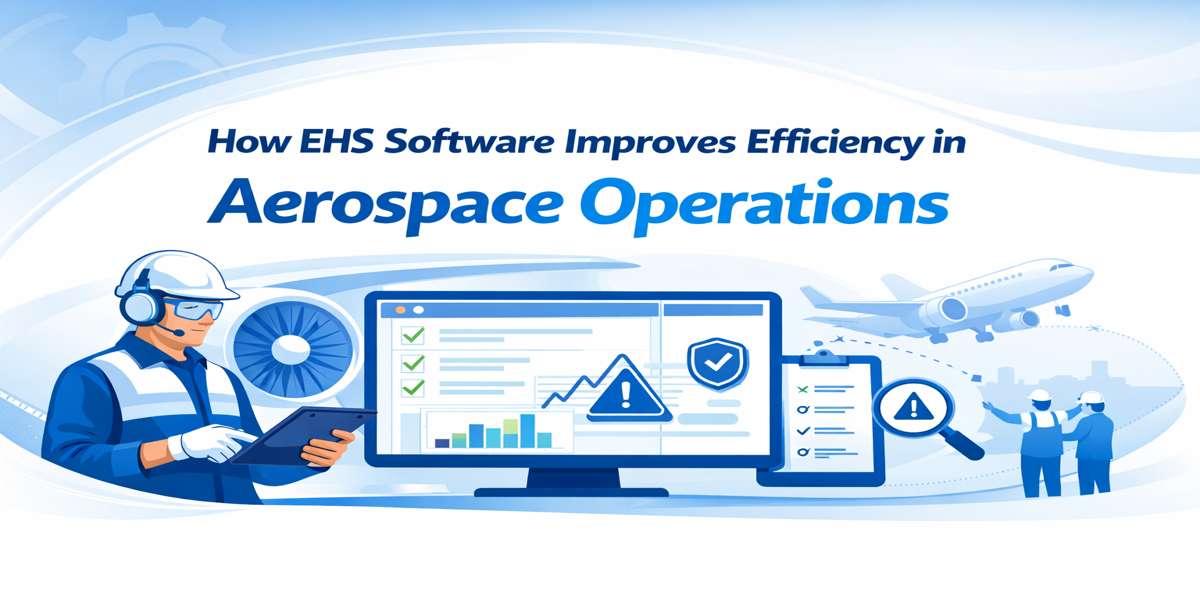
How EHS Software Improves Efficiency in Aerospace Operations

A maintenance engineer logs a near-miss after spotting FOD near a turbine component. The note goes into a shared file. No alert. No action. A week later, a similar issue leads to a recordable incident.

This is where EHS software for aerospace changes the game quietly. Not with big promises. But with better control over what actually happens on the floor.

Why Aerospace EHS Management Is Uniquely Difficult

Aerospace operations are demanding. You are working under AS9100 requirements, strict audit expectations, and high risk activities like confined space entry. Add MRO workflows and shifting teams, and the complexity increases fast.

Manual systems make things worse. Teams track PPE usage, non-conformance, and corrective action through emails and spreadsheets. Information gets lost. Updates are delayed. And audit trail gaps start to show up at the worst time.

Here is the real issue. How do you maintain consistent safety management in aerospace when every process involves multiple teams and changing risks?

In our experience working with aerospace clients, hazard visibility is often limited. Data exists but stays scattered.

Honestly, many companies believe their process works fine until an OSHA 1910 audit exposes missing records or incomplete documentation.

What EHS Software for Aerospace Actually Does

So what does EHS software for aerospace actually look like in practice?

It brings everything into one place. Incident reporting, audits, training records, and safety observations become connected. No more switching between systems.

Soft Designers builds solutions that match real aerospace workflows, not generic templates.

Here is what that looks like in practice. One MRO client struggled with delayed reporting. Technicians would log incidents at the end of the shift, sometimes forgetting key details. That slowed down corrective action.

After moving to a digital system, reports were captured immediately through mobile access. Supervisors reviewed them in real time. Response time improved overnight.

Another example. A manufacturing unit faced repeated non-conformance issues linked to FOD. Data sat across departments with no clear pattern.

Once they used aerospace EHS tools, patterns became obvious. Same location. Same shift. Same root cause. That clarity helped them fix the issue faster.

So yes, software helps. But only if it fits how teams actually work.

Four Key Efficiency Gains

Faster Incident Reporting

Speed matters. When a near-miss or recordable incident gets reported instantly, teams can act before problems escalate.

No delay. No missing details. A clear audit trail from start to finish.

Audit and Compliance Readiness

Audits should not disrupt operations. With Aerospace safety management software, records for OSHA 1910 and AS9100 are always accessible.

But here is an opinion. Many companies overbuild compliance systems. Simpler systems with clear workflows often perform better.

Training and Certification Tracking

Tracking certifications across teams is not easy, especially in MRO environments.

Software keeps track of PPE training, certifications, and expiry dates. It alerts teams before issues arise. That reduces risk without extra effort.

Hazard Visibility and Risk Patterns

This is where efficiency improves the most. When you connect data across incidents, non-conformance, and observations, patterns become clear.

Teams move from reacting to preventing. And that changes everything

What to Look for in Aerospace Safety Management Software

Choosing the best Aerospace safety management software takes more than comparing features.

Ask practical questions. Can technicians log incidents quickly during a busy shift without slowing work? Does the system support detailed audit trails aligned with AS9100? Can you track corrective action easily from start to closure? And can you actually see trends in hazard visibility without exporting data into another tool?

Look, if the system feels complex, people will avoid using it. That is where many implementations fail.

Conclusion

Efficiency in aerospace operations depends on visibility, speed, and consistency. Without that, even strong teams struggle to keep up with compliance and safety demands.

The right EHS management software for aerospace supports daily work instead of adding extra steps. It helps teams respond faster, stay audit ready, and improve safety management in aerospace over time.

Soft Designers works with aerospace teams to make this whole process easier. Worth a look if you are evaluating your options.

EHS Software in Aerospace FAQ

How does EHS software improve efficiency in aerospace operations?
It brings all safety processes like incident reporting, audits, and tracking into one system. Teams don’t waste time digging through files. Work moves faster with fewer delays.
Can EHS software help reduce delays in aerospace safety processes?
Yes, it allows real-time reporting of incidents and near-miss events. Managers can act immediately instead of waiting for updates. That speeds up response and reduces downtime.
How does EHS software support compliance in aerospace environments?
It keeps audit trails, inspection records, and compliance data organized in one place. Teams stay prepared for AS9100 and OSHA 1910 requirements. Audits become easier to manage.
Does EHS software help in identifying safety risks early?
It improves hazard visibility by collecting data from across operations. Teams can spot patterns in non-conformance and safety issues. This helps take corrective action before problems grow.
Why is centralized safety data important in aerospace operations?
When all safety data is in one system, teams get a clear view of what is happening. It avoids confusion from scattered records. Better visibility leads to quicker and smarter decisions.
EHS Management Software

How AI Is Revolutionizing Workplace Safety and Risk Assessment

The Old Way Isn’t Working Anymore

For decades, workplace safety operated on a simple, flawed premise: wait for something to go wrong, then fix it. Supervisors walked the floor, checklists were printed and filed, and accident reports were written after the damage was already done. This reactive model costs businesses dearly, not just in rupees, but in human lives.

The shift happening right now is nothing short of a fundamental transformation. AI is rewriting the rules of how organizations identify danger, manage risk, and protect their most valuable asset and their people.

From Reactive to Predictive: The Core Shift

Traditional safety management is inherently backward-looking. It responds to incidents/accidents after they occur. AI flips this entirely.

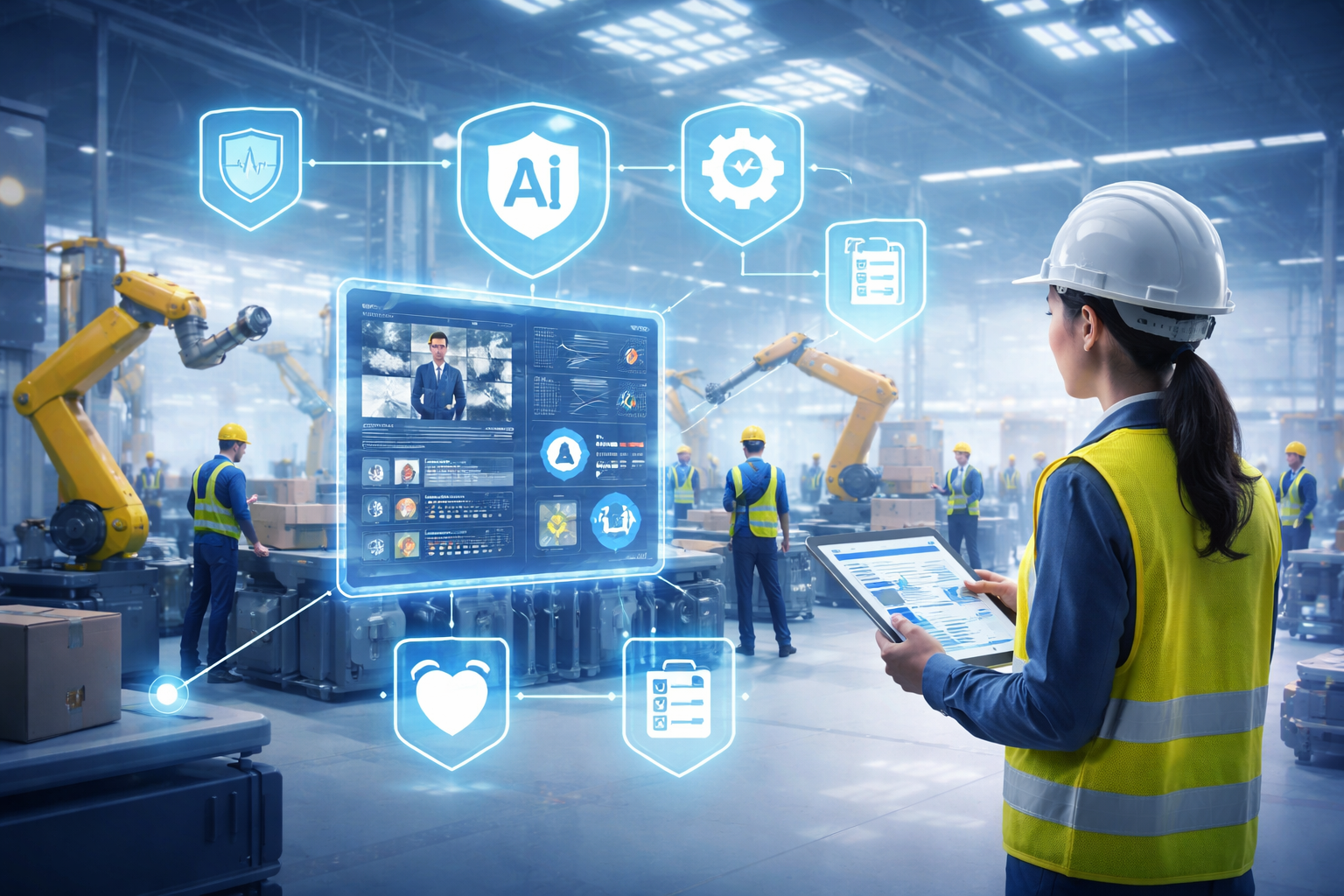
By continuously ingesting data from sensors, cameras, wearables, and historical incident records, AI EHS software management can detect subtle patterns that point toward an imminent hazard long before a human eye would notice anything wrong. A machine operating at an unusual vibration frequency, a worker who has been on their feet for ten straight hours, a blind corner in a warehouse where near-misses have clustered over months—all of these become visible, quantifiable signals.

This predictive capability transforms safety from a cost center into a competitive advantage. Organizations that know where danger is forming can intervene quietly, efficiently, and without disruption. Those that don’t are perpetually playing catch-up.

What AI Actually Does in the Workplace

Understanding the concrete capabilities of AI in safety and risk management helps cut through the hype:

Real-Time Visual Monitoring – Computer vision systems embedded in facility cameras can scan work environments around the clock, flagging when PPE (personal protective equipment) is missing, when workers enter restricted zones, or when equipment is being misused. Unlike human supervisors, these systems/software never tire, never get distracted, and can monitor dozens of locations simultaneously.

Wearable-Driven Health Surveillance—Smart wearables can track physiological signals like heart rate variability, body temperature, and movement patterns. When an employee shows signs of fatigue or elevated stress, both documented contributors to workplace accidents, the system can trigger an alert before the situation deteriorates.

Ergonomic Risk Detection—In industries like logistics and manufacturing, musculoskeletal injuries are among the most common and costly. AI-powered video analytics can observe how workers lift, bend, and carry, providing real-time corrective feedback without requiring a supervisor to be physically present.

Incident Pattern Analysis-AI can cross-reference near-miss reports, maintenance logs, weather data, and shift schedules to identify conditions that historically precede accidents. This kind of multi-variable analysis would take a human safety team weeks to compile manually; AI does it continuously.

Automated Compliance Monitoring—As regulatory environments grow more complex, AI helps organizations track evolving safety regulations across jurisdictions, flag compliance gaps, and generate documentation, reducing both legal exposure and administrative burden.

The Numbers Behind the Urgency

Workplace safety remains a major challenge in India, and the scale of the problem is often underestimated. Among Nifty 500 companies alone, 10,733 workplace injuries were reported in FY23, with high-consequence injuries rising by 33% from 679 to 907 cases. Even among India’s largest corporations, 463 worker fatalities were recorded in a single year, more than one death every day. These numbers represent only large listed organizations and exclude millions of contract workers and employees in the informal sector, where incidents are widely believed to be underreported. Studies also suggest that unsafe work conditions cost the Indian economy over ₹12.5 lakh crore annually, nearly 4% of the country’s GDP, due to lost productivity, medical costs, and compensation liabilities. Despite these realities, adoption of advanced safety technologies such as AI-driven risk assessment and digital EHS systems remains limited across many industries, leaving a significant opportunity for organizations to strengthen workplace safety through intelligent monitoring and proactive risk management.

AI in Safety Management: Assisting Humans, Not Replacing Them

A common concern is that AI-driven safety software depersonalizes the workplace, reducing workers to data points. The opposite can be true when implementation is handled thoughtfully.

When workers understand that wearables exist to protect them, not surveille them, adoption increases. When AI flags a fatigue risk before a dangerous shift continues, employees experience the technology as an advocate. When gamified reporting tools reward proactive safety behavior, a culture of accountability grows organically rather than being mandated from above.

The most effective AI safety programs treat the technology as an extension of human judgment, not a replacement for it. Safety managers still make the calls. AI just ensures they’re making those calls with far better information.

Challenges Worth Acknowledging

No technology is a silver bullet. Implementing AI in workplace safety comes with real hurdles:

Data quality matters enormously. An AI system trained on incomplete or biased historical data will produce unreliable predictions. The accuracy of insights is only as good as the data feeding the model.

Cost and infrastructure can be significant barriers for smaller organizations, though cloud-based solutions are gradually lowering the entry point.

Worker trust and privacy must be addressed head-on. Clear communication about what data is collected, how it’s used, and what protections exist is essential to gaining workforce buy-in.

Skills gaps exist on both sides- safety professionals often need upskilling in data interpretation, while AI systems need domain experts to validate their outputs in real-world contexts.

What the Future Looks Like

The trajectory is clear: AI in workplace safety will become more embedded, more predictive, and more integrated with broader organizational systems. Expect tighter links between safety platforms and ESG (Environmental, Social, and Governance) reporting as companies face pressure to quantify worker well-being alongside environmental impact.

Robotics will take on more of the highest-risk physical tasks, particularly in environments involving toxic substances, extreme temperatures, or heavy machinery. Digital twins, virtual replicas of physical workspaces, will allow safety teams to simulate hazardous scenarios and test interventions without exposing anyone to real danger.

The organizations that will lead are those that don’t wait for a regulatory mandate or a major incident to start investing. They’re building safer cultures now, with AI as the infrastructure underneath.

Conclusion

Workplace safety has always mattered. What’s changed is our ability to act on it intelligently and at scale. AI doesn’t replace the human commitment to protecting workers; it amplifies it, giving safety professionals tools that were simply impossible a decade ago.

The question for every organization today isn’t whether AI belongs in their safety strategy. It’s how quickly they can make it a central part of one.

AIEHS Management Software

How to Choose the Right AI-Powered EHS Software in 2026

In 2026, workplace safety will no longer be managed with spreadsheets, manual inspections, or reactive reporting. Organizations are rapidly shifting toward AI-driven EHS Software Solutions that help predict risks, automate compliance, and improve overall safety performance with AI-powered EHS software.

However, with so many tools available, choosing the right EHS software can be challenging. This guide will help you understand what to look for when selecting an AI-powered HSE Safety Software for your business

Why AI is Transforming EHS Software in 2026

Artificial Intelligence is reshaping how organizations manage workplace safety. Traditional systems focused mainly on recording incidents after they occurred, but modern AI-powered EHS Software Management  helps predict risks before they happen. By analyzing historical data, safety trends, and real-time conditions, AI enables proactive safety management.

AI-driven EHS software helps organizations automate safety processes, reduce manual effort, and improve compliance efficiency.

Key AI Benefits in Modern EHS Software

  • Predictive risk detection
  • Automated incident reporting
  • Real-time hazard alerts
  • AI-based safety recommendations
  • Smart compliance monitoring

1. Industry-Specific Features

Every industry has unique safety risks and regulatory standards. Choosing a solution that supports industry-specific workflows ensures accurate safety management. A reliable HSE Safety Management Software should provide customization options that match your operational requirements.

Industry-focused EHS safety software helps organizations streamline inspections, audits, and reporting processes.

What to Look For

  • Industry-specific safety templates
  • Customizable workflows
  • Pre-built compliance checklists
  • Sector-based risk assessment tools

2. AI-Driven Risk Prediction

One of the biggest advantages of AI-powered ehs software is its ability to predict safety risks before they escalate into incidents. Advanced algorithms analyze historical data, near-miss reports, and workplace trends to identify patterns.

This proactive approach helps organizations reduce accidents and improve safety performance.

Key AI Risk Prediction Features

  • Automated risk scoring
  • Trend analysis dashboards
  • Hazard forecasting tools
  • AI-generated corrective recommendations

3. Ease of Use and Adoption

Even the most advanced EHS safety management software will not succeed if employees find it difficult to use. A user-friendly interface ensures better adoption and accurate safety reporting.

Modern ehs management software is designed to be simple, intuitive, and mobile-friendly.

Important Usability Factors

  • Easy-to-use dashboard
  • Mobile reporting capability
  • Minimal training requirements
  • Quick incident reporting tools

4. Compliance Management Capabilities

Compliance management is becoming increasingly complex due to evolving safety regulations. AI-powered ehs software helps organizations stay compliant by automating audits and tracking regulatory changes.

Digital compliance tools reduce manual work and minimize the risk of penalties.

Essential Compliance Features

  • Automated audit tracking
  • Regulatory updates management
  • Digital inspection checklists
  • Compliance reporting dashboards

5. Integration with Existing Systems

A powerful EHS Safety Software should integrate with your existing business systems to ensure smooth data flow and centralized safety management.

Integration helps eliminate data silos and improves operational efficiency.

Key Integration Capabilities

  • ERP system integration
  • HR software connectivity
  • IoT safety device integration
  • Real-time data synchronization

6. Real-Time Reporting and Analytics

Data-driven insights are essential for modern safety management. Advanced EHS Software provides real-time analytics that help safety teams monitor performance and respond quickly to risks.

These insights support better decision-making and continuous safety improvement.

Important Reporting Features

  • Live safety dashboards
  • Custom report generation
  • Incident trend analysis
  • Performance tracking metrics

7. Scalability for Future Growth

As organizations expand, their safety management needs grow. Choosing scalable and the best ehs software ensures the system can support future growth without disruptions.

Cloud-based EHS Management Software offers flexibility and long-term sustainability.

Scalability Factors to Consider

  • Multi-location support
  • Cloud-based infrastructure
  • Custom module expansion
  • Large workforce management capability

Common Mistakes to Avoid

Many organizations choose EHS Software without proper evaluation, which can lead to poor implementation and low adoption.

Avoiding common mistakes ensures better long-term results.

Mistakes to Watch Out For

  • Choosing software based only on price
  • Ignoring AI capabilities
  • Overlooking user experience
  • Not considering scalability
  • Selecting tools without compliance automation

Benefits of Choosing the Right AI-Powered EHS Software

Selecting the right EHS software delivers long-term operational and safety benefits. AI-powered solutions help organizations build a proactive safety culture and improve overall performance.

Major Benefits

  • Reduced workplace incidents
  • Faster incident reporting
  • Improved compliance management
  • Enhanced safety culture
  • Better operational efficiency

Conclusion

AI-powered EHS Software Solutions are becoming essential for organizations aiming to improve workplace safety in 2026. The right Safety Management Software helps businesses predict risks, automate compliance, and create a safer working environment.

EHSBy focusing on AI capabilities, usability, scalability, and integration, organizations can choose the best ehs software for long-term success.

EHS Management Software

EHS compliance software helps to avoid fines & penalties

Key Regulations for Workplace Safety and Compensation

Factories Act, 1948: Regulates labour conditions and safety standards in factories registration for factories with 10 or more workers using power and 20 or more workers not using power it covers like air quality, ventilation,  sanitation and machine safety .this ensure proper exhaust system , regular maintenance of equipment and providing personal protective equipment (ppe) to prevents hazards

Employees Compensation Act, 1923:Compensation to employees for injuries or disability due to work related accidents The act covers the range of injuries and disability those caused by accidents occupational disease and injury happen in work related activity. Compensation is provided to the families of employees who die as a result of work-related activities. This act applies to various industries including factories, construction sites.

EHS compliance software helps organizations avoid fines and penalties by streamlining environmental, health, and safety processes. Here’s how:

  • Automated Audit Scheduling : Schedule audits ahead of time with automatic reminders
  • Customizable Audit Checklists : Use industry-standard templates or create custom checklists to ensure consistency.
  • Real-time Data Collection : Conduct audits using mobile devices and tablets for efficient data collection.
  • Regulatory Compliance Tracking : Ensure compliance with regulations like OSHA, ISO 45001, and EPA, generating compliance reports.
  • Corrective and Preventive Actions (CAPA) : Identify issues, assign corrective actions with dates, and monitor progress.

OSHA Fines and Penalties

The Occupational Safety and Health Administration (OSHA) imposes fines on companies that violate safety regulations. The fine’s severity is directly related to the seriousness of the violation. Here are some examples:

Violation TypeFine Range (USD)
Serious$1,190 – $16,131
Willful or Repeated$11,524 – $161,323
Other-Than-Serious$0 – $16,131
Source – https://trdsf.com/blogs/news/osha-violations-and-fines

Consequences of Non-Compliance

Number of total recordable occupational injuries and illnesses and respiratory illnesses, private industry, 2014-23 (thousands)

YearTotal cases (1)InjuriesIllnessesRespiratory illnesses
20142953.52809.8143.712.1
20152905.92765.3140.512.1
20162857.42719.8137.511
20172811.52685.1126.410.4
20182834.52707.8126.812.1
201928142686.8127.210.8
20202654.72110.1544.6428.7
20212607.92242.7365.2269.6
20222804.22343.6460.7365
202325692368.9200.1100.2
workplace incidents breakdown by year


Underreporting of Workplace Incidents

The failure to report workplace incidents is a notable problem in numerous industries, frequently resulting from a combination of factors.

  1. Fear of penalties or fines : Fear of fines and penalties can lead to underreporting.
  2. Reputational and image : Compliance may be concerned that reporting incidents could damage their reputation or image.
  3. Insufficient knowledge or understanding : Companies might be unaware of incident reporting requirements or underestimate their importance.
  4. Incident reporting procedure : Companies may not have proper incident reporting procedures, which makes it difficult to report incidents.

The Dangers of Not Reporting Workplace Incidents

Failing to report workplace incidents can lead to severe consequences, including:

  1. Inadequate Safety Precautions : If incidents aren’t reported, safety measures mightn’t be put in place, putting workers at risk of injury or illness.
  2. Increased Chance of Future Incidents : Not reporting incidents can make it harder to identify root causes, making future incidents more likely to occur.
  3. Workers Missing Out on Benefits : Failing to report incidents can mean workers don’t get the compensation, medical care, and other benefits they’re entitled to.
  4. Compromised Investigations : Underreporting can lead to incomplete or inaccurate investigations, making it challenging to prevent similar incidents.

Types of Workplace accidents

types of workplace accidents

Why Reporting Incidents Matters

Reporting incidents is crucial for:

  1. Making the Workplace Safer : Reporting incidents helps spot hazards and put safety measures in place to prevent future incidents.
  2. Looking Out for Workers’ Rights : Incident reporting ensures workers get the compensation, medical care, and other benefits they deserve.
  3. Creating a Safe Work Culture : Reporting incidents helps build a culture of openness, transparency, and continuous improvement.
  4. Identifying Training Needs : Incident reporting can highlight training gaps and areas for improvement, enabling targeted training programs.
  5. Enhancing Compliance : Reporting incidents helps organizations comply with regulatory requirements and industry standards

Benefits of EHS compliance software include :

  1. Enhanced Compliance : Reduces regulatory violations and penalties.
  2. Improved Efficiency : Eliminates manual paperwork.
  3. Better Risk Management : Identifies hazards and corrective actions.
  4. Data Accuracy : Minimizes human errors with automated reporting.
  5. Increased Workplace Safety : Prevents accidents and promotes safety.
Fall detection ai camera
AI Cameras

AI-powered cameras can enhance EHS compliance by:

Detecting Hazards : Identifying potential safety risks, such as workers not wearing personal protective equipment (PPE).

Monitoring Compliance : Tracking compliance with safety protocols, like PPE usage, and sending alerts for non-compliance.

Analyzing Incidents : Providing valuable insights into incidents, enabling root cause analysis and corrective actions

Awareness and Training

Awareness and training are crucial for ensuring that employees understand the rules and regulations that apply to their work. This includes training on company policies, industry standards, and country-specific laws and regulations. By providing regular training and awareness programs with EHS software, an organizations can improve compliance, reduce risk, and increase employee engagement. Effective awareness and training programs can also help employees make better decisions and promote a culture of safety and responsibility.

EHS management Safety employees

Soft Designers Safety Inspection Compliance Dashboard 2025

The Soft Designers Safety Inspection Compliance Dashboard 2025 offers a clear and concise view of safety performance across various sites. It highlights key metrics such as average inspection scores, compliance rates, and approval statuses. With visual insights into risk levels and daily inspection trends, the dashboard helps organizations stay proactive about workplace safety

Conclusion

Maintaining a safe and healthy work environment is crucial for protecting employees, preventing fines and penalties, and promoting business continuity. Effective EHS compliance, incident reporting, and adherence to regulations like the Factories Act, 1948, and Employees Compensation Act, 1923, are essential for identifying and mitigating workplace hazards. By prioritizing transparency, safety, and workers’ rights, organizations can create a culture of continuous improvement, reduce the risk of incidents, and ensure a safer and healthier workplace for all.


EHSEHS Management SoftwareOSHA

Safety ROI: Why Investing in Safety Pays Off

Workplace safety isn’t just a compliance box to tick — it’s a strategic business investment. While some organizations view safety programs as a cost center, the reality is that investing in the right tools — especially EHS software — leads to significant returns, both financially and operationally.

The True Cost of Ignoring Safety:

Failing to invest in workplace safety can lead to:

  • Medical expenses and compensation claims
  • Downtime and lost productivity
  • Regulatory penalties and lawsuits
  • Damaged reputation and employee morale

According to the International Labour Organization, over 2.78 million workers die each year due to work-related illnesses and accidents. These incidents are not only tragic — they’re expensive.

Safety ROI

What Does Safety ROI Really Mean?

Return on Investment (ROI) in safety refers to how much financial benefit a company gains compared to what it spends on safety measures.

“For every ₹1 spent on safety, how much do we save by avoiding accidents, downtime, and penalties?”

Let’s walk through a sample scenario:

Total Safety Investment: ₹10 lakhs/year

This includes: EHS software license, Employee safety training, Safety audit tools, Maintenance of safety equipment.

Before Safety Investment:

  • 8 incidents/year
  • Each incident costs the company ₹3.5 lakhs (medical, legal, downtime)
  • Total Loss = ₹28 lakhs/year

After EHS Software Implementation:

  • Incidents reduced to 2/year
  • Incident cost drops to ₹1 lakh each due to faster response
  • New Total Loss = ₹2 lakhs/year

Total Prevented Loss: ₹28L – ₹2L = ₹26 lakhs

Net ROI = (₹26L – ₹10L) / ₹10L x 100 = 160% ROI

So for every ₹1 spent, you’re gaining ₹2.60 in value.

Safety ROI example

How EHS Software Boosts ROI:

Modern EHS software like SoftDesigners’ platform offers:

1. Real-Time Visibility: Track incidents, audits, and corrective actions across locations from one dashboard.

2. AI-Powered Risk Advisory: Predict high-risk activities and receive preventive suggestions through machine learning algorithms.

3. Permit to Work Automation: Digitize and streamline permit approval processes to reduce human error and delays.

4. AI Chatbot Assistant: Empower employees to report issues or request permits 24/7 — increasing engagement and safety awareness.

5. Compliance Made Easy: Ensure compliance with local and international regulations like OSHA, ISO 45001, and others — minimizing the risk of fines.

Data That Proves It Works:

A McKinsey study showed that companies with advanced safety systems saw a 60–70% reduction in incident rates and 20–30% fewer operational disruptions.

Our internal research also shows clients experience:

  • 65 – 70% safety compliance improved
  • 90% faster permit approvals

Why Soft Designers is the Right EHS Partner:

  1. Integrated AI-Powered Safety Tools:

SoftDesigners stands out by embedding AI Risk Advisory and an AI Safety Chatbot directly into our Permit to Work and EHS systems. This enables real-time risk detection, smarter decision-making, and faster responses—something traditional EHS tools often lack.

2. Built for Indian Industry Needs:

Our platform is developed with Indian industries in mind—manufacturing, construction, cement, aerospace and other industries.

3. Modular & Customizable Solutions:

Whether you need a standalone Permit to Work system or a full EHS suite, our solutions are modular, letting you start small and scale as you grow. You only pay for what you need.

4. Mobile and Cloud-Based:

Our EHS mobile app and cloud platform ensure your team can manage safety activities anytime, anywhere—perfect for multi-site operations and remote safety audits.

5. Proven Track Record in Safety Tech:

With over a decade of experience, SoftDesigners has helped dozens of leading companies reduce incidents, improve compliance, and digitize their safety operations—with real ROI. (For more insights)

6. Excellent Support & Onboarding

Our dedicated support and implementation team ensures your staff is trained, your data is migrated securely, and your team sees results quickly—without tech stress.

7. We’re Not Just Software Providers—We’re Safety Partners

We work closely with your safety and compliance team to provide ongoing improvements, updates, and personalized support. Your success is our success.

Want to see how much ROI your company can gain with digital safety tools?

Let’s work together to build a safer, smarter workplace.

EHS Management Software

10 Steps for a Successful EHS Software Solutions

Implementing Environmental, Health, and Safety (EHS) software can be a game-changer for organizations seeking to streamline their EHS management processes. However, with numerous options available, selecting the right software can be overwhelming. To help you make an informed decision, we’ve outlined the top 10 steps to consider when choosing a successful EHS software.

1. User-Friendly Interface

Ensure the software has an intuitive and user-friendly interface, making it easy for all stakeholders to navigate and use. A user-friendly interface can help:

  • Reduce training time and costs
  • Improve data accuracy
  • Increase employee adoption and engagement

2. Customization

Select software that can be customized to meet your organization’s specific EHS requirements. Customization options may include:

  • Creating custom reports and dashboards
  • Integrating with existing devices and tools
  • Customizing data fields and forms

3. Mobile and Cloud Connectivity

EHS Mobile App

Choose software with mobile and cloud connectivity, enabling employees to easily access and update information remotely. Benefits include:

  •  Increased real-time data collection and reporting
  • Optimized team performance and improved communication across teams
  • Reduced IT infrastructure and maintenance costs

4. Comprehensive Module

Ensure the software includes all essential EHS modules, such as:

5. Advanced Technologies

Look for software that leverages advanced technologies like:

  • Artificial intelligence (AI) for predictive analytics and risk identification
  • Machine learning for automated workflows and decision-making
  • Internet of Things (IoT) for real-time data collection and monitoring

6. Audit and Compliance

Select software that supports audit and compliance management, ensuring your organization meets national and international standards. Features may include:

  • Regular tracking and updates
  • Compliance reporting and dashboards
  • Audit scheduling and management
  • OSHA and EPA regulations
  • ISO 45001 and ISO 14001 standards

7. High Uptime and Support

Select software that provides maximum uptime and support to ensure your operations run smoothly and effectively. When evaluating software providers, look for those that offer

  • Ensure the software provider offers:
  • High uptime (e.g., 99.9% availability)
  • Reliable online and offline support
  • Regular software updates and maintenance

8. Advanced Analytics

EHS Dashboard

Choose software with advanced analytics capabilities, providing insights into EHS performance and identifying areas for improvement. Features may include:

  • Predictive analytics for identifying risks and incidents
  • Anomaly detection
  • Real-time reporting and dashboards

9. Cyber security and Privacy

Ensure the software prioritizes cybersecurity and data privacy, protecting sensitive EHS information. Features may include:

  • Data encryption and access controls
  • Secure authentication and authorization
  • Regular security audits and testing

10. Faster Deployment and Cost Efficiency

Select software with a fast deployment process and cost-efficient pricing, ensuring a rapid return on investment. Features may include:

  • Implementation time and cost
  • Scalability and flexibility for future growth
  • Modular pricing for flexible and affordable solutions

By following these 10 steps, organizations can select and implement a successful EHS software solution that meets their unique needs and drives business excellence.

EHSEHS Management Software

The Impact of EHS Software on Employee Engagement

Introduction:

In today’s fast-paced world, employee engagement is crucial for every organization’s success. When employees are engaged, they are more productive, motivated, and committed to achieving organizational goals. One software that can significantly influence employee engagement is Environmental, Health, and Safety (EHS) software

What is EHS Software? 

EHS software is a digital platform designed to manage and track an organization’s environmental, health, and safety performance. It provides a system for reporting incidents, conducting audits, and managing compliance with regulatory requirements. EHS software can also include features such as Permit to work, Incident track, near misses training management, risk assessment, and performance metrics. 

The Benefits of EHS Software on Employee Engagement 

1. Increased Transparency:

EHS software makes it easy for employees to report incidents, near misses, or hazards, encouraging everyone to speak up and get involved in keeping the workplace safe. 

2. Improved Communication:

EHS software enables real-time communication and collaboration between employees, supervisors, and management, facilitating the sharing of safety information and best practices. 

3. Enhanced Training and Development:

EHS software can include training modules that provide employees with access to safety training and development opportunities, promoting employee growth and well-being. 

4. Recognizing and Rewarding:

EHS software can be used to recognize and appreciate employees who report near misses or find hazards, encouraging a culture of safety awareness. 

Benefits of Mobile Apps in EHS

1. Action from Anywhere:

Mobile apps enable employees to take action and report incidents or hazards from anywhere, at any time. 

2. Faster Resolution:

Mobile apps can facilitate faster resolution of root cause issues, enabling prompt action and investigation. 

impact of ehs software

The Business Benefits of Employee Engagement 

1. Improve Productivity:

Engaged employees are more productive, efficient, and deliver higher-quality work. They are also more likely to: 

  •     Meet deadlines and achieve goals 
  •     Take initiative and ownership of projects 
  •     Collaborate effectively with team members 
  •     Innovate and suggest continuous improvements 
  •     Stay focused and motivated during challenging times 

2. Enhanced Reputation:

Organizations with engaged employees are seen as attractive employers, enhancing their reputation and attracting top talent. As a result, organizations with engaged employees experience: 

  •     Improved brand recognition and reputation 
  •     Enhanced credibility and trust with customers 
  •     A competitive edge in the industry landscape 

3. Increased Customer Satisfaction:

Engaged employees provide better customer service, leading to increased customer satisfaction and loyalty. This results in: 

  •     Improved online reviews and ratings 
  •     Enhanced reputation and brand loyalty 
  •     Long-term revenue and growth 

4. Better Safety Performance:

Engaged employees prioritize safety, consistently following procedures, reporting hazards, and driving safety initiatives. This leads to:

  • Reduced workplace accidents and injuries
  • Improved compliance with safety regulations and standards
  • Increased employee health and mental well-being

Conclusion 

EHS software has a significant impact on employee engagement by increasing transparency, improving communication, enhancing training and development, and recognizing and rewarding employees. By leveraging EHS software and mobile apps, organizations can improve productivity, reduce turnover, enhance their reputation, increase customer satisfaction, and achieve better safety performance. Ultimately, investing in EHS software can lead to a safer, more efficient, and more productive work environment, which is essential for organizational success. 

EHS Management Software

Safety Software uses and use cases

Through revolutionary advancement of the industrial areas the commonly found situations are accidents or incidents, fatalities or injuries to the worker at the workplace. Ensuring safety becomes the crucial task of the employer and organization aims to create a secured environment over the complaint work environment.

Safety software eliminates burden over the employer towards safety concerns and provides a streamline process in enhancing the communication by offering safety systems beyond the simple compliance.

Safety Software:

Safety software is the systematic process which is outlined for industries to increase the safety standards in the organization. EHS Safety software solution system is a prominent platform for various safety related programs like incident management, risk assessment, identification and analyzing of hazardous tasks and employee training engagement towards the compliance of safety culture.

Uses of Safety Software:

Safety software acts as a centralized platform for the unpredictable cause that occurs in industries. This software enables the employer to avoid risks by facilitating a real time monitoring system with corrective action. Safety software serves various uses in different areas such as

  • Incident reporting: Safety software reports all the incidents or accidents quickly and easily like near miss cases, serious injuries, etc., to streamline incident management system software enables improved safety concern in an organization.
  • Risk assessment: Safety software is the centralized platform which empowers risk assessment by identifying the potential hazards and mitigating the risk software analytics drives data for decision making for allocating resources for high potential risks. 
  • Employee training and management: Safety software provides employees training and tracking certificates to ensure up to date skills are imparted to employees this enables to reduce risk occurred due to lack of training.
  • Compliance Auditing: Safety auditing software maintains safety regulation compliance. This software tracks the industries required compliance and provides automated alerts and notifications which enables reporting compliance for the auditing process.
  • Tracking and recording system: This software facilitates the tracking of safety compliance of employees and records the hazards that occur and monitors through real time monitoring to prevent hazardous events that might occur in future.
  • Safety programs and culture: Safety software fosters the safety based culture programs in industries by tracking and analyzing the behavior of employees. Positive safety practices are implemented to strengthen the safety culture at the workplace.
  • Emergency Response planning: This software emphasizes responding to the employees at emergency situations. Emergency response planning system enables industries to coordinate a swift with organized structure response in critical situations. The useful compiler is risk assessment matrix.

Different use cases of the Safety Software:

Safety software systems are implemented in various industries involved in hazardous manufacturing activities to prevent accidents and to ensure safety culture at the workplace.

The industries that uses the safety software are:

  1. AEROSPACE INDUSTRIES: Safety software is the essential tools and technique used to create safer and regulatory compliance with the aerospace sector. It focuses on performance and sustainability which avoids risk, avoids costly and excessive installation and maintenance.

2. MINING INDUSTRIES: Safety system in mining industries concentrate on miners safety it tracks and ensure the compliance of health and safety of workers to promote safety culture by providing mining safety training.

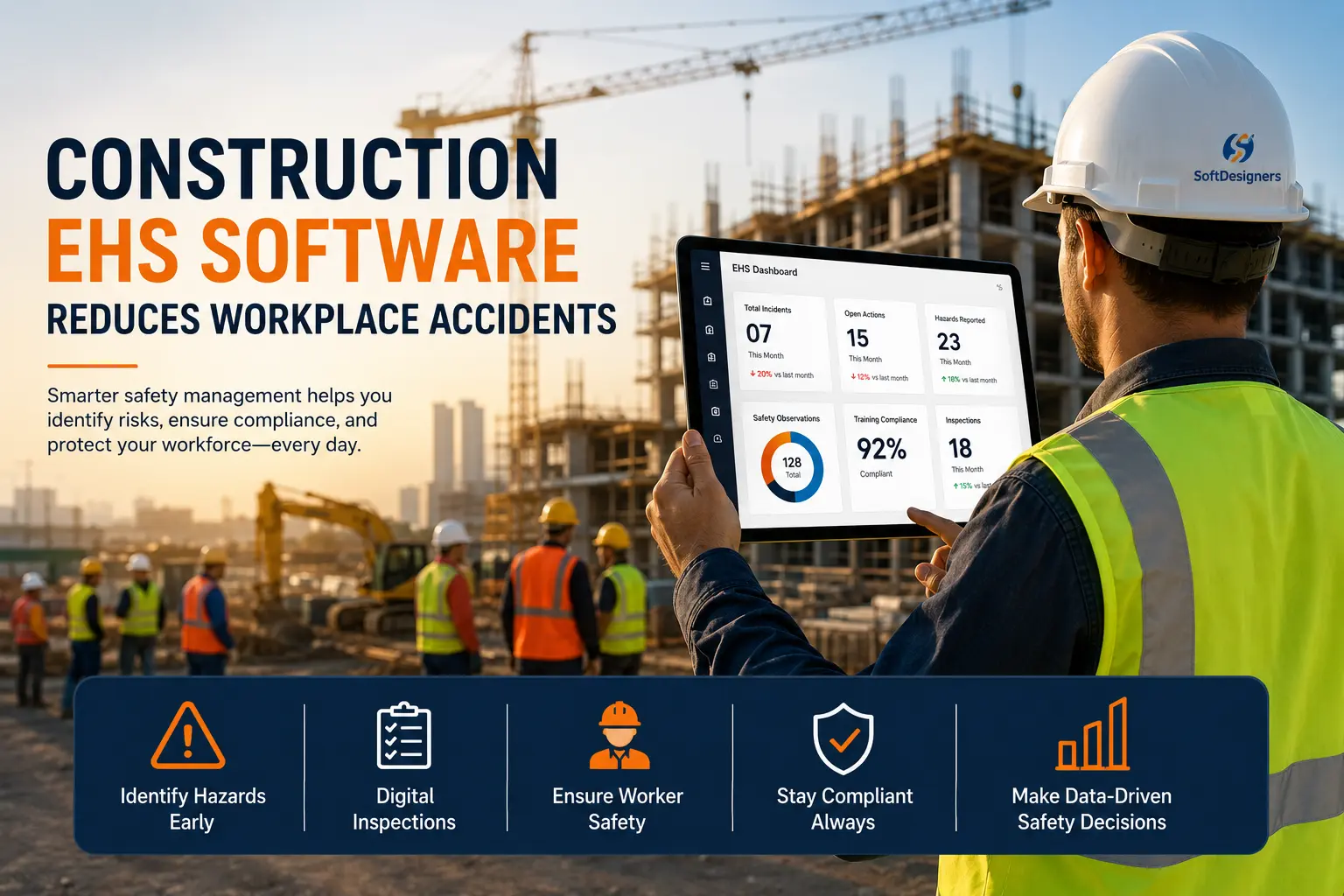
3. CONSTRUCTION INDUSTRIES: Construction industries are associated with a dangerous work environment with numerous accidents and injuries. Ehs software solution enables the organization track, identify and monitor by providing corrective and precautionary measures to avoid accidents at the workplace.

4. MACHINE MANUFACTURING INDUSTRIES: The software at the machine manufacturing industries helps improvise the safety performance of operations. It helps to perform safety audits and verifies compliance tasks.

5. CEMENT INDUSTRIES: Safety software enables the cement industries to identify hazards and ranking the hazards. These software eliminates hazards by providing corrective measures with timely safety auditing.

6. AUTOMOTIVE ELECTRONIC INDUSTRIES: Automated safety software solution enables the automotive electronics industries to facilitate flexible software systems by robusting hardware. These includes automotive safety and management leads to increased efficiency.

CONCLUSION

Safety  software solutions play a pivotal role in every form of industry. The implementation of digital solution systems ensures corrective preventive measures for all hazardous operations to create a safety culture at the workplace.

EHS Management SoftwareEHS mobile app

Cloud-based EHS Software Excellence

Cloud-based EHS Software Excellence: The Impact Of Business Intelligence

INTRODUCTION:

Cloud-based EHS Software is the primary consideration of any organization to maintain and to uplift the progress of Environment Health and safety of workers at the workplace.

Hence, EHS Management Software Solution is implemented to track, to record, to create awareness among all departments in an organization regarding risk associated in every work they undertake and mainly focuses on ensuring Environment Health and Safety of workers and excellent growth of an organization.

What is EHS Software

EHS Management Software solution is a safety solution system installed by manufacturing industries that tracks and monitors employee and contractor health status.

EHS safety management system makes it more accessible to EHS managers to manage incidents with required compliance by taking corrective measures and more.It enables them to identify risk, record, manage and report safety at the workplace.

Benefits of EHS Software solution

  • Records Information: This software enables the users to enter the illness and injury information about employees.
  • Track Incidents: Safety solutions keep track of incidents that occur on a monthly basis.
  • MES System: It provides MES systems with Real time Safety Alerts.
  • Chart view: The health status of each and every department will be visualized by chart.

Features of Cloud EHS software:

  • AI integration with PTW system: AI can automatically analyze PTW forms and suggest potential risks that might have been overlooked by human operators. This intelligent system assesses various factors such as the nature of the work, historical data on similar tasks, environmental conditions, and current safety regulations to provide comprehensive risk assessments.
  • SAFETY INCIDENT REPORT: Incident reporting software investigates and analyses the root cause of the adverse events to take corrective and preventive measures for future occurrence of similar incidents.
  • ILLNESS INJURY ERGONOMIC TRENDS: The risk factors like any wound, damage and tear on body caused at the workplace are reported in incident reporting software
  • INVESTIGATION REPORT: EHS management solution allows organizations to prepare investigation reports of incidents to manage incidents by reporting, tracking and investigating incidents in a systematic manner.
  • LOTO DASHBOARD: EHS safety solution provides real time alerts to concerned workers with notification if improper isolation of equipment while manipulation.
  • ERGONOMIC ASSESSMENT: Environmental, Health and Safety management assess training to workers at the workplace to ensure correct working postures and gestures at the time of work.
  • BEHAVIOR BASED SAFETY: EHS Management Software solution focuses on observing, analyzing, and modifying the behaviors of employees to prevent accidents and improve safety at the workplace.
  • RISK MANAGEMENT: EHS Management software solution facilitates risk assessment by providing tools to identify potential hazards, evaluate risks, and implement control measures effectively for risk management. 
  • ROOT CAUSE ANALYSIS: Root cause analysis empowers organizations to proactively identify and address the underlying causes of incidents. The EHS professionals can implement targeted interventions to prevent the recurrence of similar incidents, fostering a culture of continuous improvement in workplace safety.
  • SAFETY WORK PERMIT WITH CHECKLIST: Safety Work permits streamline the process of issuing work permits to contractors. Creates the checklist and customize permits easily.
  • MANAGEMENT OF CHANGE: Change of management software ensures EHS at workplace. This minimizes the complexity in operations and doesn’t make any negative impact on management operations.
  • MOBILE FRIENDLY: EHS software is accessible in mobile devices by EHS mobile App it tracks and monitors employees and contractors health status within the fingertips.
Cloud-based EHS Software

The EHS Impact on Business Intelligence

EHS Management software solution plays a vital role in the progress of business through digitized tools and techniques that help business excellence reach global standards like promoting sustainable practices and Occupational health and safety management system(OSHA)

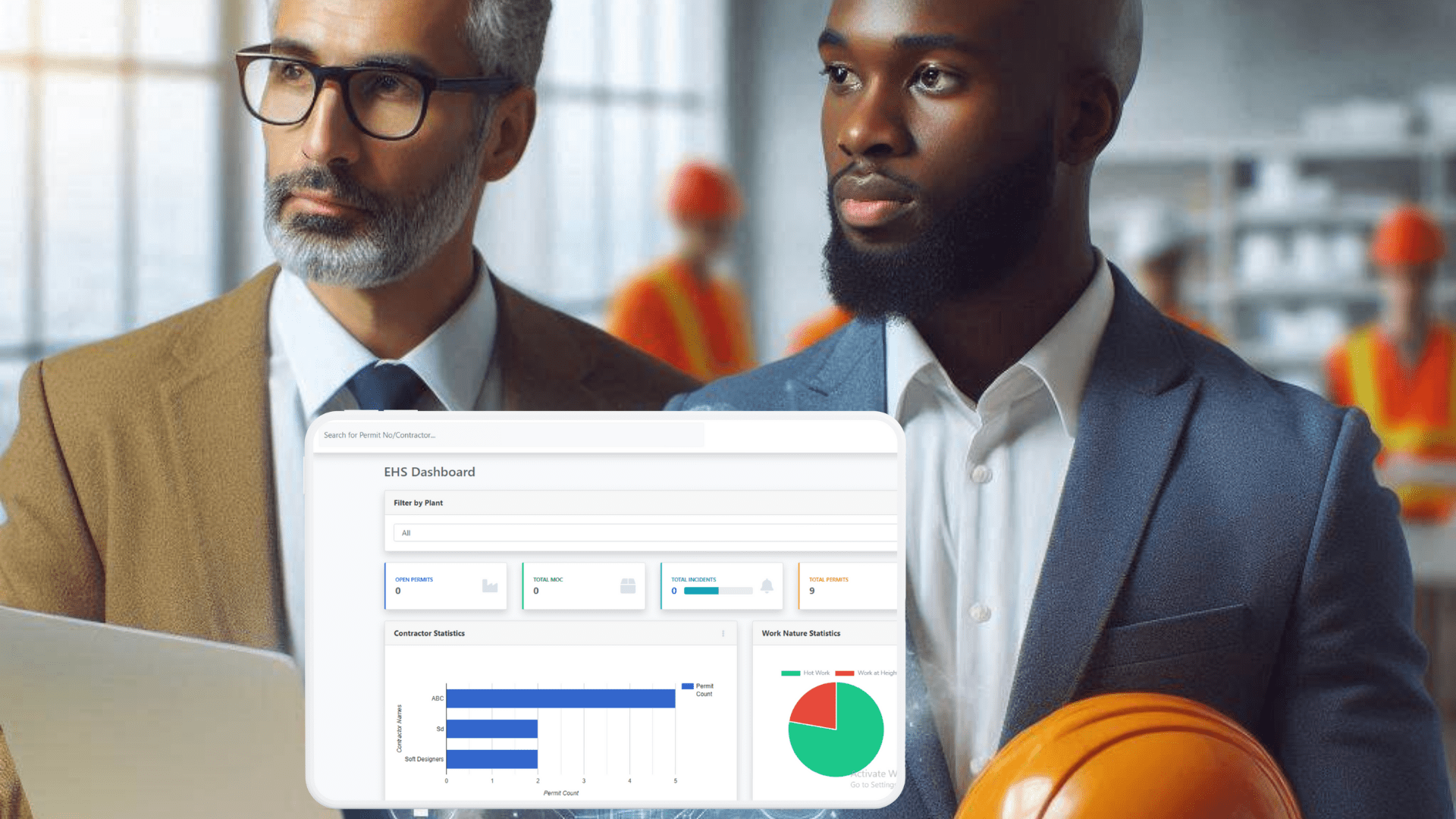
  1. EHS REAL-TIME DASHBOARD
  •  Inbuilt root cause analysis and corrective action.
  •  Advanced reports as per industrial standards
  •  Quick review and approval process feature provided
  •  Accessed anywhere online
  •  Real time safety alerts at MES system
  •  Automatic Email/SMS for critical reminder
  •  Manage employees and contractor
  • Safety work pass for easy entry into the Factory.

2. EMPLOYEE TRAINING:

EHS practice and training engages the employees and fosters the safety culture in an organization so that safety solution training to employees make them to identify and avoid hazards at workplace

3. EMPLOYEE ENGAGEMENT:

EHS management  solution maintains safety standards by encouraging employee engagement in active participation to reduce risk and enhance the growth of an organization.

4. CUSTOMISATION:

Cloud-based EHS software solution enhances EHS practices with modification so that it can be customized to meet the specific business needs.

5. SUSTAINABILITY:

Environmental, Health and Safety Management enables organizations to meet sustainability targets by providing precautionary measures through real time alerts it reduces waste, minimize expenses, improves resources efficiency and saves cost which fosters productivity, innovation and excellence growth of the business

CONCLUSION:

Effective Cloud-based EHS software solution enhances the intelligence of business by embracing digital EHS tools and techniques which leads long term perpectuality of business with organisational objectives  by making positive impact on society.

EHS Management Software

The Cost of Postponing EHS Software Investments

Introduction:

In today’s rapidly evolving business landscape, prioritizing environmental, health, and safety (EHS) initiatives is critical for organizations seeking to mitigate risks, ensure regulatory compliance, and protect their workforce. However, some companies may hesitate to invest in EHS software due to perceived costs or competing priorities. In this article, we’ll explore the reasons why postponing investment in EHS software can be costly in the long run and why proactive action is essential for sustainable business success.

  1. Increased Risk Exposure: Postponing investment in EHS management software Solution exposes organizations to a higher risk of accidents, incidents, and regulatory violations. Without proper systems in place to manage EHS processes and monitor compliance, organizations are more susceptible to workplace hazards, environmental incidents, and legal penalties. These risks can result in financial losses, damage to reputation, and disruptions to operations, ultimately impacting the bottom line.
  2. Operational Inefficiencies: Manual EHS management processes, such as paper-based documentation, spreadsheets, and email communication, are prone to errors, delays, and inconsistencies. Postponing investment in EHS software perpetuates these inefficiencies, leading to wasted time, resources, and effort. Moreover, manual processes hinder data analysis and reporting capabilities, limiting organizations’ ability to identify trends, mitigate risks, and drive continuous improvement.
  3. Missed Opportunities for Innovation: EHS software offers advanced features and functionalities that enable organizations to innovate and optimize their EHS initiatives. From real-time monitoring and predictive analytics to mobile accessibility and integration capabilities, EHS software empowers organizations to streamline processes, enhance collaboration, and leverage data-driven insights for better decision-making. By postponing investment in EHS software, organizations miss out on opportunities to modernize their EHS programs and stay ahead of the curve.
  4. Diminished Employee Engagement: Investing in EHS software demonstrates a commitment to employee health, safety, and well-being, which can boost morale and engagement within the workforce. Conversely, postponing investment sends a message that EHS is not a priority, leading to disengagement, disillusionment, and decreased productivity among employees. Engaged employees are more likely to adhere to safety protocols, participate in EHS initiatives, and contribute to a positive safety culture, ultimately reducing the risk of incidents and fostering a safer work environment.
  5. Long-term Financial Implications: While the upfront cost of implementing EHS software may seem significant, postponing investment can have far-reaching financial implications in the long run. The costs associated with workplace accidents, regulatory fines, legal fees, and reputational damage far outweigh the investment required for EHS software. By proactively investing in EHS software system, organizations can mitigate these risks, avoid costly incidents, and safeguard their financial stability and sustainability over time.

Conclusion:

Postponing investment in EHS safety software is a costly decision that can jeopardize organizational success and sustainability. From increased risk exposure and operational inefficiencies to missed opportunities for innovation and diminished employee engagement, the consequences of delaying investment in EHS software are significant and far-reaching. To protect their workforce, mitigate risks, and ensure regulatory compliance, organizations must prioritize investment in EHS software as an integral part of their business strategy. By taking proactive action now, organizations can reap the benefits of improved safety performance, operational efficiency, and long-term financial viability.