
Cold work permit software

You can digitize the entire permit management process with Soft designers’ electronic permit to work software. Improve the safety of employees and contractors who works in the premises

We provide the 7 day’s free trial. Schedule a demo with us to experience the free trial version

Cold work permit

Cold work permit system

Essentially, cold work is a plastic deformation process that involves pressing or rolling at room temperature. Cold work situations are determined by assessing the risk of the task and the working environment. The work can be performed with a cold work permit if there are no flames or explosives present.


The types of cold work permit:

  • Using solvents or chemicals for cleaning
  • Any painting activities,
  • Non-routine and potentially hazardous activities,
  • Management of hazardous substances (For example chemicals that are toxic or corrosive, asbestos, etc.).
  • Any activity that requires the specific control measures to ensure safety.
  • Utilization of resins during blade repairs.
  • erecting and removing scaffolds
  • Cranes/heavy lifts;


Other types of industrial work permit

 A permit to work includes the instructions about the type of work, the time and place along with the critical safety procedures to follow. For each permit type, there is a checklist for preparing the equipment as well as personal protective equipment guidelines.
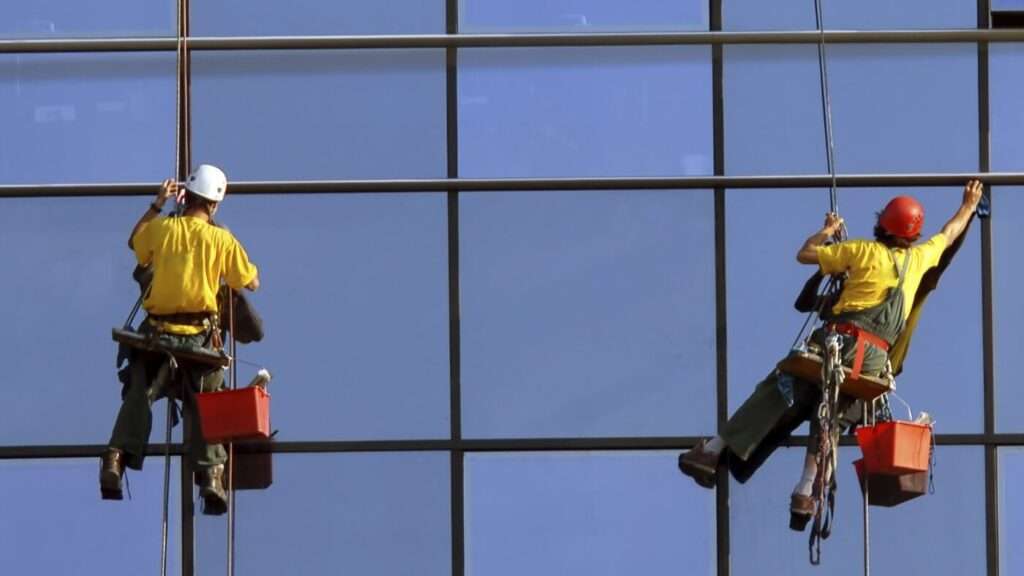
Work at height

Work at height permit

The work performed above 10 feet from the ground level can be categorized as Work at Heights and should be conducted in accordance with all guidelines.
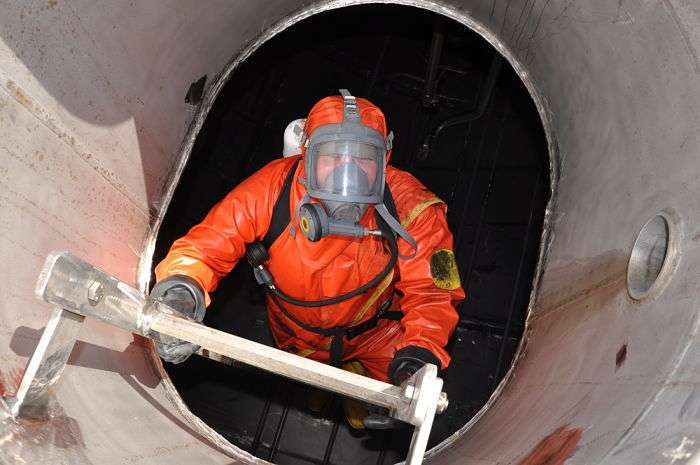
Confined space

Confined Space Entry

A confined space entry permit is needed when entering a tank, vessel, tower, pit or sewer. The permit should be accompanied by a guide detailing procedures to be followed.

Electrical work

Electrical work permit

Permits are required whenever work is to be performed on or near electrical equipment that is energized.

Hot work permit

Hot work

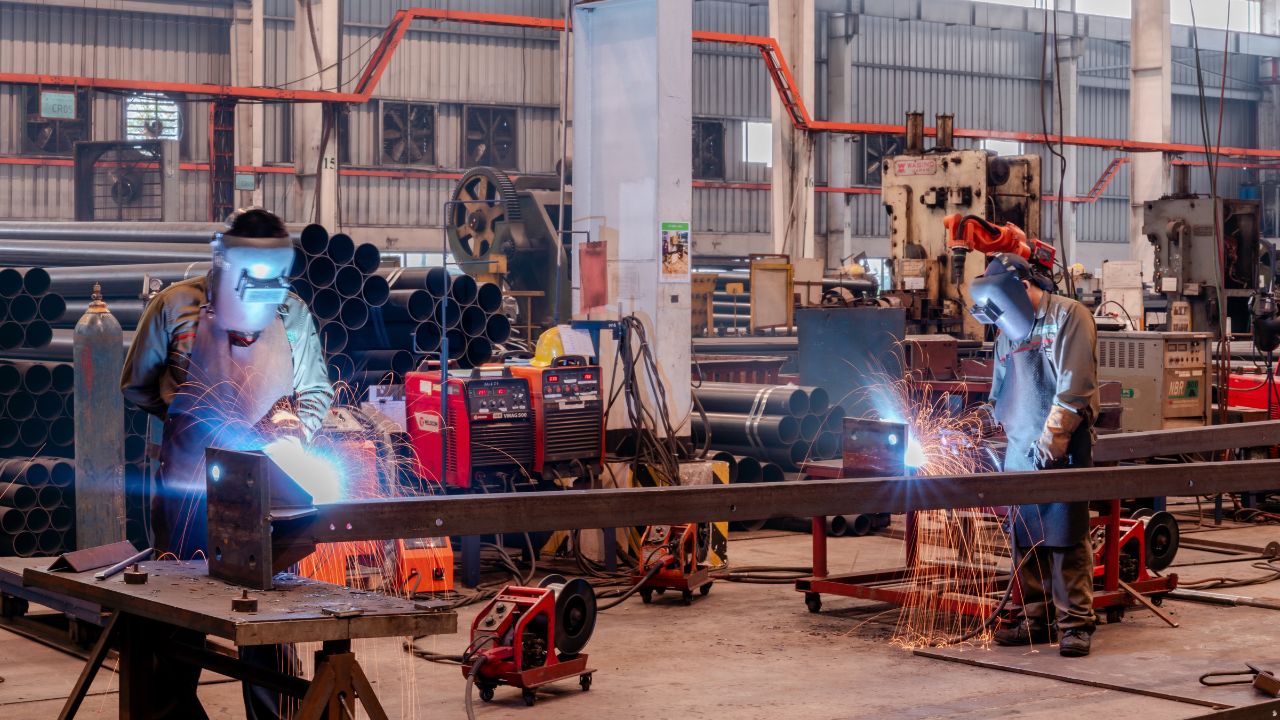
Any activity involving cutting or welding with gas or arc equipment, soldering, grinding, or any other similar activity generating heat or flame requires a hot work permit

Learn more about Hot work permit

Cold work permit software

Special permits

Some industries use special permits to cover specific hazards such as:

  • Conditions of extreme hazardous
  • Dangerous chemicals
  • Excavations


Digital work permit

One software for all types of work permits! Work permit can be monitored via mobile app as well! You can customize it!

The process of work permits:

  1. Each individual will apply the cold work permit or other types of work permits
  2. The operator will check and provide approval for work once the work permit form is filled out
  3. The responsible supervisor or manager receives the notification, they will acknowledge the work permit
  4. Once the permit has been approved, it will be mentioned the scope and location of the work
  5. Once the worker receives the permit, he can begin working on the project.
  6. According to permit conditions, this permit is valid for one whole shift or for the entire project.


Why Soft Designers

Our mission is to support a culture of continuous improvement and to prevent future incidents. You can protect your employees, customers, partners, and bottom line by doing so.

Best Price

You can get a complete solution for less price than you expect.

Hot Work Permit

Customization

We do the customization based on your industry requirements

Quick installation

Get Work permit software installations within 3 days

Near miss

Support team

Get the assistance you need during and after the software implementation

Application across industries::

[carousel_slide id=’4555′]

[logocarousel id=”1659″]

Get a project quote today!

Cold Work Permit in Manufacturing – FAQs

What is a cold work permit in manufacturing?
A cold work permit is a safety authorization document used for tasks that do not involve heat, flames, or sparks but still carry operational risks. It ensures that all necessary precautions are in place before starting maintenance, mechanical, or non-routine work.
What types of jobs require a cold work permit?
Cold work permits are required for activities like mechanical maintenance, electrical work, equipment inspection, scaffolding, or handling hazardous substances. Even without fire risks, these tasks can involve hazards such as stored energy, chemicals, or moving machinery.
Why is a cold work permit important for workplace safety?
It ensures that risks are identified and controlled before work begins. By defining safety measures, PPE requirements, and responsibilities, it helps prevent accidents, injuries, and unexpected operational disruptions.
What information is included in a cold work permit?
A typical cold work permit includes job details, location, duration, hazard identification, required safety controls, PPE, and approval signatures. It acts as a clear agreement between the issuer and the worker on how the task will be safely executed.
How is a cold work permit different from a hot work permit?
A cold work permit is used for tasks without ignition risks, while a hot work permit is required for activities like welding or cutting that generate heat or sparks. Both are part of a permit-to-work system but address different types of hazards.
How does a digital cold work permit system improve efficiency?
Digital systems streamline approvals, ensure real-time visibility, and reduce paperwork. They also help track permits, monitor compliance, and analyze safety data, making operations safer and more efficient in modern manufacturing environments.