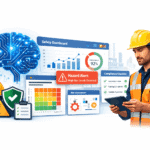
In 2026, workplace safety will no longer be managed with spreadsheets, manual inspections, or reactive reporting. Organizations are rapidly shifting toward AI-driven EHS Software Solutions that help predict risks, automate compliance, and improve overall safety performance with AI-powered EHS software.
However, with so many tools available, choosing the right EHS software can be challenging. This guide will help you understand what to look for when selecting an AI-powered HSE Safety Software for your business
Why AI is Transforming EHS Software in 2026
Artificial Intelligence is reshaping how organizations manage workplace safety. Traditional systems focused mainly on recording incidents after they occurred, but modern AI-powered EHS Software Management helps predict risks before they happen. By analyzing historical data, safety trends, and real-time conditions, AI enables proactive safety management.
AI-driven EHS software helps organizations automate safety processes, reduce manual effort, and improve compliance efficiency.
Key AI Benefits in Modern EHS Software
- Predictive risk detection
- Automated incident reporting
- Real-time hazard alerts
- AI-based safety recommendations
- Smart compliance monitoring
1. Industry-Specific Features
Every industry has unique safety risks and regulatory standards. Choosing a solution that supports industry-specific workflows ensures accurate safety management. A reliable HSE Safety Management Software should provide customization options that match your operational requirements.
Industry-focused EHS safety software helps organizations streamline inspections, audits, and reporting processes.
What to Look For
- Industry-specific safety templates
- Customizable workflows
- Pre-built compliance checklists
- Sector-based risk assessment tools
2. AI-Driven Risk Prediction
One of the biggest advantages of AI-powered ehs software is its ability to predict safety risks before they escalate into incidents. Advanced algorithms analyze historical data, near-miss reports, and workplace trends to identify patterns.
This proactive approach helps organizations reduce accidents and improve safety performance.
Key AI Risk Prediction Features
- Automated risk scoring
- Trend analysis dashboards
- Hazard forecasting tools
- AI-generated corrective recommendations
3. Ease of Use and Adoption
Even the most advanced EHS safety management software will not succeed if employees find it difficult to use. A user-friendly interface ensures better adoption and accurate safety reporting.
Modern ehs management software is designed to be simple, intuitive, and mobile-friendly.
Important Usability Factors
- Easy-to-use dashboard
- Mobile reporting capability
- Minimal training requirements
- Quick incident reporting tools
4. Compliance Management Capabilities
Compliance management is becoming increasingly complex due to evolving safety regulations. AI-powered ehs software helps organizations stay compliant by automating audits and tracking regulatory changes.
Digital compliance tools reduce manual work and minimize the risk of penalties.
Essential Compliance Features
- Automated audit tracking
- Regulatory updates management
- Digital inspection checklists
- Compliance reporting dashboards
5. Integration with Existing Systems
A powerful EHS Safety Software should integrate with your existing business systems to ensure smooth data flow and centralized safety management.
Integration helps eliminate data silos and improves operational efficiency.
Key Integration Capabilities
- ERP system integration
- HR software connectivity
- IoT safety device integration
- Real-time data synchronization
6. Real-Time Reporting and Analytics
Data-driven insights are essential for modern safety management. Advanced EHS Software provides real-time analytics that help safety teams monitor performance and respond quickly to risks.
These insights support better decision-making and continuous safety improvement.
Important Reporting Features
- Live safety dashboards
- Custom report generation
- Incident trend analysis
- Performance tracking metrics
7. Scalability for Future Growth
As organizations expand, their safety management needs grow. Choosing scalable and the best ehs software ensures the system can support future growth without disruptions.
Cloud-based EHS Management Software offers flexibility and long-term sustainability.
Scalability Factors to Consider
- Multi-location support
- Cloud-based infrastructure
- Custom module expansion
- Large workforce management capability
Common Mistakes to Avoid
Many organizations choose EHS Software without proper evaluation, which can lead to poor implementation and low adoption.
Avoiding common mistakes ensures better long-term results.
Mistakes to Watch Out For
- Choosing software based only on price
- Ignoring AI capabilities
- Overlooking user experience
- Not considering scalability
- Selecting tools without compliance automation
Benefits of Choosing the Right AI-Powered EHS Software
Selecting the right EHS software delivers long-term operational and safety benefits. AI-powered solutions help organizations build a proactive safety culture and improve overall performance.
Major Benefits
- Reduced workplace incidents
- Faster incident reporting
- Improved compliance management
- Enhanced safety culture
- Better operational efficiency
Conclusion
AI-powered EHS Software Solutions are becoming essential for organizations aiming to improve workplace safety in 2026. The right Safety Management Software helps businesses predict risks, automate compliance, and create a safer working environment.
EHSBy focusing on AI capabilities, usability, scalability, and integration, organizations can choose the best ehs software for long-term success.