
Work at height Safety solution to streamline the safety process
Working at Height safety software helps workers stay safe when working at height. It includes tools to help workers identify risks, plan work, and keep track of safety precautions. It also provides safety guidance and checklists to ensure workers are following proper safety protocols. The software can also help employers stay compliant with safety regulations.
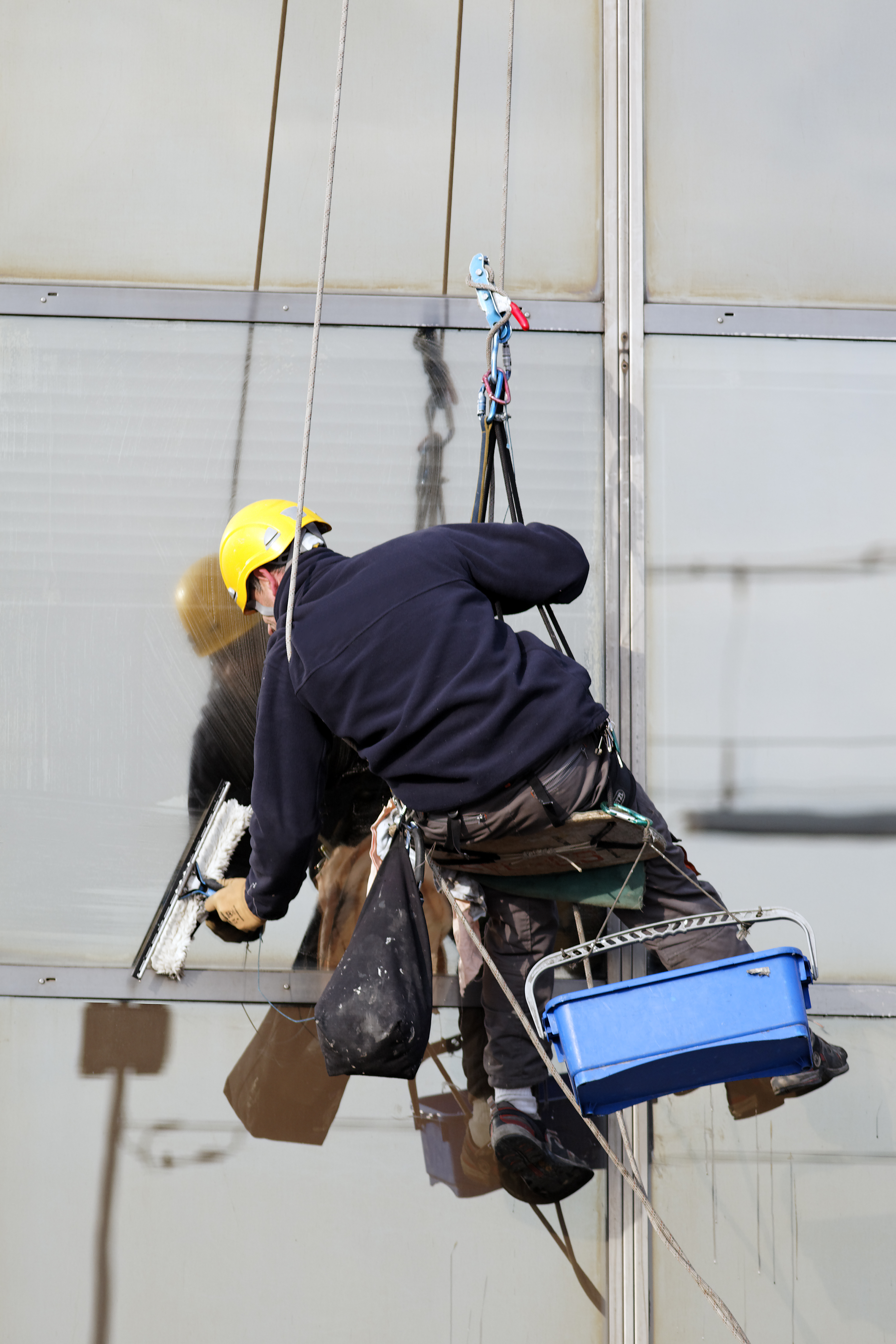
How to Stay Safe When Working at Height:
Working at height can be dangerous and even deadly if you don’t take the proper precautions. The following tips can help you stay safe when working at height:
1. Wear the right safety equipment: When working at height, always wear a safety harness, hard hat, eye protection, and the appropriate work shoes.
2. Use the right tools: Make sure you have the right tools for the job, and that they are in good working order. Always make sure ladders and scaffolds are safe.
3. Inspect your equipment: Before you start the job, inspect all of your equipment to make sure it is in good condition and fit for purpose.
4. Secure your work area: Make sure your work area is secure and that you have taken all necessary steps to protect yourself and others in the area.
5. Have an emergency plan: In the event of an accident, it is important to have an emergency plan in place. Make sure everyone knows what to do, who to call, and where to go in case of an emergency.
6. Train your workers: Before anyone works at height, they should be trained in the proper procedures and safety protocols.
Are you looking for a way to manage workplace safety and reduce the risks associated with working at height?
Soft Designers provides a comprehensive solution that can help you better monitor and manage your safety protocols. With our software, you can quickly assess the risks of working at height and ensure that employees are following safety regulations.
Try our working at height safety software today and take your safety protocols to the next level.
Work at Height Safety FAQ
What is considered work at height?
Work at height refers to any task performed where a person could fall and suffer injury if proper precautions are not taken. This includes working on ladders, scaffolding, rooftops, or near open edges and fragile surfaces.
Why is work at height safety important?
Falls from height are one of the leading causes of workplace injuries and fatalities. Proper safety measures help prevent accidents, protect workers, and ensure compliance with safety regulations in industries such as construction and manufacturing.
What are the key safety measures for working at height?
Key safety measures include conducting risk assessments, using proper equipment, ensuring stable platforms, providing fall protection systems, and training workers. Employers must also plan and supervise work carefully to minimize risks.
What personal protective equipment (PPE) is required?
PPE for work at height includes safety harnesses, helmets, non-slip footwear, and fall arrest systems. These tools help reduce the risk of injury and ensure worker protection during elevated tasks.
What are common hazards when working at height?
Common hazards include falls from ladders or scaffolding, fragile surfaces, falling objects, unstable platforms, and adverse weather conditions. Identifying these risks early is critical for preventing accidents.
When is fall protection required?
Fall protection is generally required when working at heights of 4 feet in general industry and 6 feet in construction. However, protection is also necessary when working near dangerous equipment or open edges, regardless of height.
How can digital safety solutions improve work at height safety?
Digital safety solutions like EHS software help improve work at height safety by enabling real-time hazard reporting, digital permits, compliance tracking, and safety audits. These tools ensure better visibility, faster decision-making, and proactive risk management.