Category: Uncategorized

Incident Tracking systemUncategorized

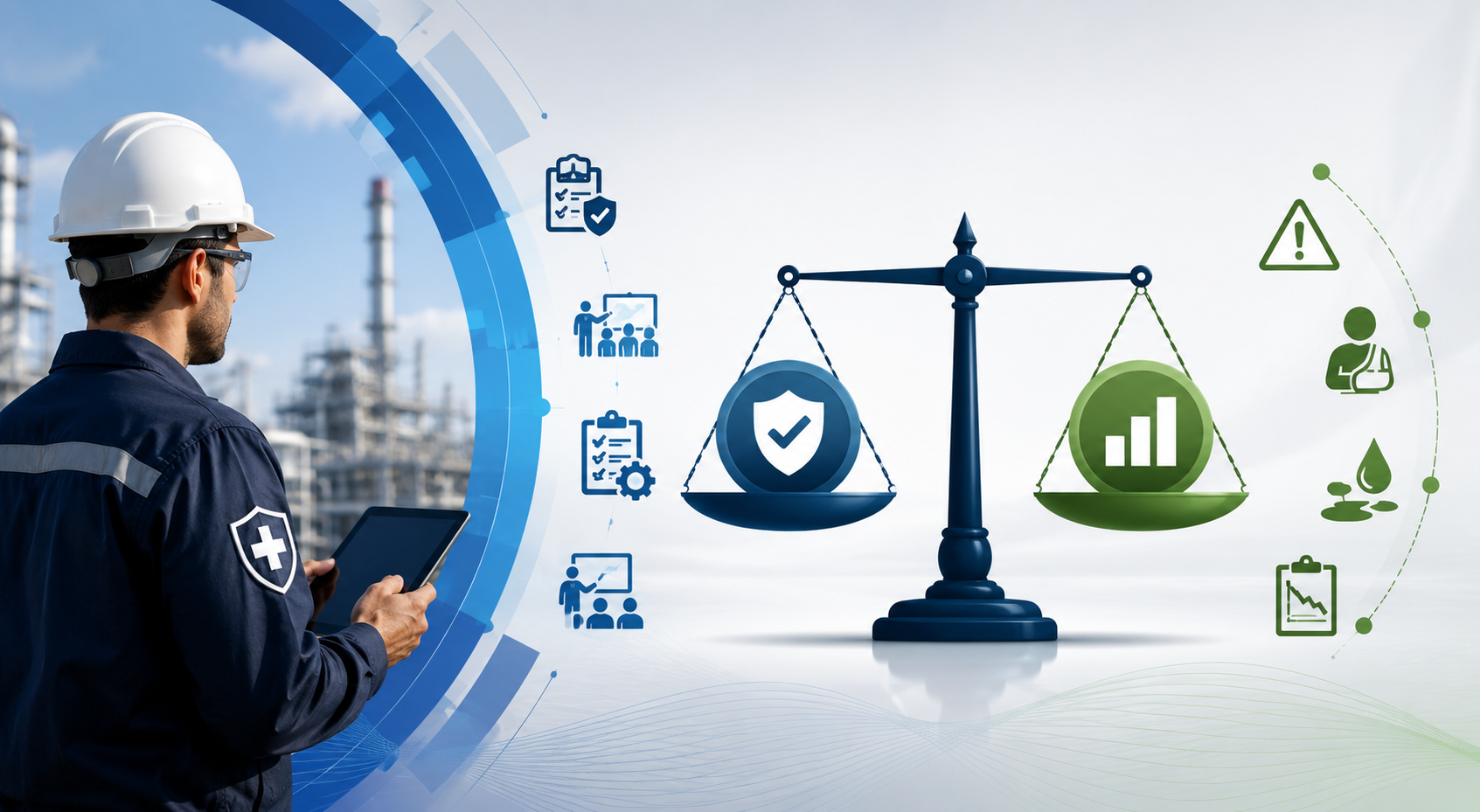
How Real-time Safety Tracking Software Is Reducing Accidents and Improving Compliance

In high-risk industries such as manufacturing, construction, oil and gas, mining, and logistics, workplace safety has always been a top priority. Yet many organizations still rely on traditional methods like paper forms, spreadsheets, and delayed reporting to manage hazards and regulatory requirements. These systems often leave safety teams reacting after incidents occur rather than preventing them in the first place.

Real-time safety tracking software is changing that reality. By delivering instant visibility into hazards, behaviors, and environmental conditions, modern digital platforms are helping organizations move from reactive safety programs to proactive risk prevention strategies. This shift is not only lowering injury rates but also strengthening regulatory compliance across complex operations.

The Challenge with Conventional Safety Management

Legacy safety processes were designed for slower, more predictable operations. Inspections were carried out periodically, incident reports were compiled days later, and corrective actions were tracked manually. In fast-moving industrial environments, these delays create blind spots where hazards can persist unnoticed.

When data is scattered across paper files or disconnected systems, safety leaders struggle to understand what is happening on the ground in real time. Early warning signs such as repeated near-misses, unsafe behaviors, or deteriorating equipment can be overlooked until a serious incident forces attention. Compliance efforts also suffer because documentation is incomplete, inconsistent, or difficult to retrieve during audits.

What Real-time Safety Tracking Software Brings to Operations

Real-time safety tracking software replaces fragmented processes with a unified digital environment that continuously captures and analyzes safety information. Field workers can report hazards through mobile devices, upload photos, and tag locations. Sensors can feed environmental data directly into dashboards, while supervisors monitor site conditions as they change.

Live visibility allows safety teams to respond immediately when unsafe situations arise. Instead of waiting for weekly reports, managers can intervene the moment risk levels increase. Over time, the system builds a rich dataset that reveals trends, recurring problem areas, and opportunities for preventive action.

Reducing Accidents Through Faster Intervention

One of the most powerful impacts of real-time systems is the speed at which hazards are addressed. When workers submit reports digitally, alerts reach supervisors and EHS teams instantly. Maintenance crews can be dispatched, work can be paused, and controls can be implemented before an injury occurs.

As more data is collected, organizations gain insight into patterns that were previously hidden. Certain tasks may consistently generate near misses, specific locations may experience repeated slips or trips, or particular machines may overheat under certain conditions. Analytics tools surface these trends so leaders can focus resources where risk is rising rather than spreading efforts thinly across the entire operation.

Automated notifications further strengthen prevention. If gas levels spike, noise exposure exceeds limits, or inspections are overdue, the system can send immediate warnings to the responsible teams. Escalation rules ensure unresolved hazards move up the chain of command until corrective action is taken, reducing the likelihood that critical issues fall through the cracks.

Digital control of high-risk activities also plays a major role in accident reduction. Tasks such as hot work, confined-space entry, or energy isolation require strict authorization and verification. Real-time permit systems ensure that hazards have been assessed, controls are in place, and approvals are complete before work begins. If site conditions change, permits can be suspended instantly, preventing work from continuing under unsafe circumstances.

Just as importantly, these platforms encourage frontline involvement. When employees see their reports lead to rapid action, they become more willing to speak up about near misses and unsafe conditions. This increased participation strengthens safety culture and shifts responsibility for risk reduction from a small group of specialists to the entire workforce.

Improving Compliance in a Digital Environment

Regulatory compliance depends heavily on accurate records, consistent inspections, and timely corrective actions. Real-time safety tracking software supports all three by automatically capturing time-stamped data, photos, approvals, and signatures. Instead of searching through filing cabinets or email threads during an audit, teams can retrieve documentation within seconds.

Mobile inspection tools standardize how audits are conducted across sites. Mandatory fields prevent incomplete submissions, while built-in guidance helps inspectors apply regulatory requirements correctly. Dashboards highlight overdue audits or unresolved findings, giving managers the visibility they need to address gaps before regulators identify them.

Corrective action management becomes far more disciplined in a digital system. Tasks are assigned to specific owners with clear deadlines, and automated reminders continue until issues are closed. Leadership can monitor progress in real time, ensuring that regulatory findings and internal audit observations are resolved promptly and documented properly.

For organizations operating across multiple locations, centralized oversight is another major advantage. Corporate EHS teams can compare performance between sites, monitor exposure levels, and ensure consistent application of company standards. This enterprise-wide visibility makes it easier to adapt to changing regulations and demonstrate compliance across diverse jurisdictions

Operational and Financial Benefits

The impact of real-time safety tracking extends beyond injury prevention and regulatory readiness. Fewer incidents mean lower medical costs, reduced downtime, and less disruption to production schedules. Improved visibility into contractor performance helps organizations manage third-party risk more effectively, while data-driven insights support smarter investments in training, equipment upgrades, and engineering controls.

Companies that adopt proactive safety technologies often experience stronger relationships with regulators, insurers, and customers. A reputation for disciplined risk management can become a competitive advantage, especially in industries where safety performance influences contract awards and long-term partnerships.

Making Real-time Safety Tracking Work

Successful implementation requires more than installing software. Organizations achieve the best results when they focus first on their highest-risk processes, involve frontline workers in training and adoption, and integrate safety data with maintenance and operations systems. Leadership engagement is critical, as dashboards and alerts should become part of daily decision-making rather than tools used only for monthly reports.

Over time, continuous review of data allows companies to refine thresholds, improve workflows, and expand digital controls to additional activities. This cycle of measurement and improvement turns safety management into a living process rather than a static compliance exercise.

Conclusion

Real-time safety tracking software is reshaping how industrial organizations manage risk and regulatory obligations. By replacing delayed reporting with live visibility, automated alerts, and predictive insights, these platforms help teams intervene earlier, prevent incidents, and maintain stronger compliance programs.

As operations grow more complex and expectations for safety performance rise, real-time digital systems are becoming an essential foundation for organizations committed to protecting their people and achieving sustainable operational excellence.

EHS ManagementSafety Audit InspectionUncategorized

Turning Workplace Risks into Safety Insights with Safety Audit Management Software

Every workplace, regardless of industry, carries inherent risks. From manufacturing plants and construction sites to warehouses and processing facilities, hazards are part of daily operations. What differentiates organizations with strong safety performance is not the absence of risk, but their ability to recognize patterns, learn from observations, and act before incidents occur. This is where safety audit management software plays a critical role in transforming workplace risks into actionable safety insights.

The Limitations of Traditional Safety Audits

Many organizations still rely on paper-based audits or spreadsheet-driven processes. While these methods may meet basic compliance requirements, they often fail to deliver real value. Paper audits are time-consuming, difficult to track, and rarely analyzed beyond surface-level observations. As a result, recurring hazards, unsafe behaviors, and systemic gaps remain unnoticed until an incident forces attention.

Safety audit management software eliminates these limitations by digitizing the audit process. It enables consistent audit execution, standardized checklists, and centralized data storage, laying the foundation for meaningful analysis rather than fragmented records.

Capturing Risks in Real Time

One of the biggest advantages of safety audit software is real-time data capture. Auditors, supervisors, and safety officers can record unsafe conditions, non-conformities, and at-risk practices directly from the field using mobile devices. Photos, comments, location data, and timestamps add valuable context that traditional audits often lack.

This immediacy ensures that risks are identified where they occur and addressed promptly, reducing the chance of issues being overlooked or delayed due to administrative bottlenecks.

Turning Audit Data into Safety Intelligence

Conducting audits is only the first step. The true value lies in analyzing audit findings to uncover trends and root causes. Safety audit management software consolidates audit data into dashboards and reports that highlight recurring issues, high-risk areas, and audit performance across departments or locations.

For example, repeated audit observations related to housekeeping, machine guarding, or permit-to-work compliance may indicate deeper process or training gaps. These insights allow organizations to move from reactive corrections to proactive risk prevention.

Strengthening Corrective Action Management

A common challenge in safety programs is poor follow-up. Audit findings are documented, but corrective actions are delayed or forgotten. Safety audit management software addresses this gap by integrating corrective and preventive action (CAPA) tracking into the audit workflow.

Each finding can be assigned to a responsible person with defined timelines. Automated reminders and escalation mechanisms ensure accountability and timely closure. This structured approach not only improves compliance but also reinforces trust among workers that reported issues lead to real improvements

Supporting Regulatory Compliance with Confidence

Regulatory bodies increasingly expect documented evidence of proactive safety management. Safety audit management software helps organizations maintain accurate, traceable, and audit-ready records. Inspection reports, corrective actions, and closure evidence are stored securely and can be retrieved easily during internal reviews or external inspections.

More importantly, compliance becomes a natural outcome of good safety practices rather than a last-minute exercise. Consistent audits and documented follow-ups demonstrate due diligence and management commitment to workplace safety.

Improving Safety Culture Through Visibility

When audit results and improvements are visible, safety becomes a shared responsibility. Safety audit management software allows organizations to share key insights during toolbox talks, safety meetings, and leadership reviews. Workers gain clarity on common risks, while managers understand where to focus resources.

Over time, this transparency encourages open communication, reduces blame, and promotes a learning-oriented safety culture. Audits shift from being perceived as fault-finding exercises to tools for continuous improvement.

Integrating with Broader EHS Systems

Modern safety audit management software often integrates with broader EHS management systems, including incident reporting, near miss management, risk assessment, and training modules. This integration provides a holistic view of workplace safety and helps organizations connect audit findings with incidents, behaviors, and risk controls.

By linking audits with other safety processes, organizations gain deeper insights into how risks evolve and how preventive measures perform over time.

Conclusion

Workplace risks cannot be eliminated, but they can be understood, managed, and reduced. The best Safety audit software enables organizations to move beyond basic compliance and transform audits into powerful tools for risk identification and prevention. By capturing real-time data, analyzing trends, ensuring corrective action closure, and supporting a strong safety culture, digital audit systems turn everyday observations into meaningful safety insights.

Organizations that invest in smarter audit management are better equipped to protect their workforce, strengthen operational resilience, and build sustainable safety performance, where prevention is driven by insight, not hindsight.

Industry 4.0Uncategorized

The Future of Traceability in Manufacturing

“The Future of Traceability in Manufacturing: How Software is Changing the Game”

Traceability in manufacturing is becoming increasingly important as global supply chains become more complex. Traceability is the ability to track the origin, location, and movement of materials, components, and products throughout the entire lifecycle of a product. It enables manufacturers to trace the source of their materials, ensure product quality, and meet compliance requirements. In the future, traceability in manufacturing will become even more important as global markets become more competitive and regulatory requirements become stricter. Manufacturers will need to be able to track and trace materials and products from their source to their destination. To do this, they will need to develop and use advanced technologies, such as blockchain, Internet of Things (IoT) sensors, and cloud computing. These technologies will allow manufacturers to capture and store data throughout the entire product lifecycle. This data can be used to verify product quality, trace the source of materials, and ensure compliance with regulations. Additionally, these technologies will enable manufacturers to quickly detect and respond to problems, such as product recalls or counterfeiting. In the future, traceability will also be used to improve supply chain visibility and efficiency. 

Traceability software is revolutionizing the way businesses track and monitor their products. The software allows companies to track their products from the raw material all the way to the end customer, providing those businesses with an unprecedented level of visibility and control. This ensures that their products are meeting the highest standards and are free from any contamination or defects. The software also helps businesses to ensure that their products are compliant with all applicable regulations, which can help to protect their company from costly fines and litigation. Traceability software also helps to streamline the supply chain, reducing costs and improving efficiency. Finally, the software helps to improve customer satisfaction by providing customers with detailed information about their products, including where they come from and how they were made.

Benefits of Traceability system for production:

Benefits of Traceability software

The use of traceability software is changing the way manufacturers track and trace products and materials. By providing real-time visibility into the production process, traceability software is helping manufacturers improve product quality, reduce production costs, and maintain regulatory compliance. Traceability software can also be used to track materials from the start of the supply chain all the way to the finished product. This ability to track materials from the point of origin to the point of use helps manufacturers reduce supply chain costs and ensure product safety and quality. Traceability software can also track production processes, allowing manufacturers to optimize their processes and reduce waste. In addition, traceability software can be used to monitor and manage inventory levels in real-time, allowing manufacturers to respond quickly to changing demand. This helps manufacturers reduce lead times, improve customer service, and increase profitability.

Finally, traceability software can help manufacturers meet regulatory compliance requirements. By tracking and tracing products and materials, manufacturers can ensure that they are meeting all applicable safety and environmental regulations. As traceability software continues to evolve, it is clear that it will play an increasingly important role in helping manufacturers improve their operations and reduce costs.

Want to know more about the TRACEABILITY SOFTWARE

Establish a comprehensive traceability system to track raw materials, production processes and finished products

EHS ManagementUncategorized
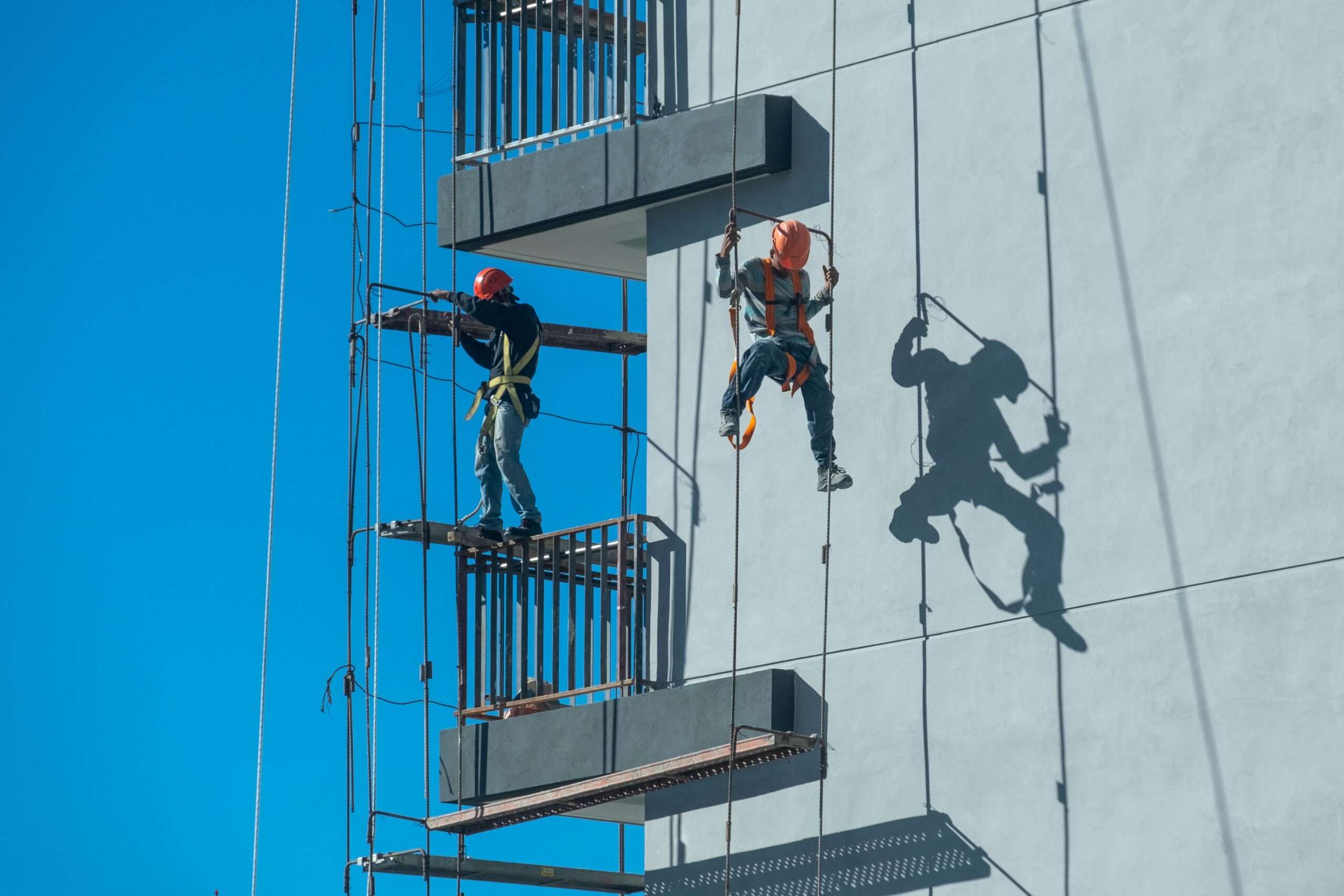
Couple of workers fixing and climbing a scaffolding while following all the safety measures

Work at height Safety: Elevate Your Safety Standards

Work at height Safety solution to streamline the safety process

Working at Height safety software helps workers stay safe when working at height. It includes tools to help workers identify risks, plan work, and keep track of safety precautions. It also provides safety guidance and checklists to ensure workers are following proper safety protocols. The software can also help employers stay compliant with safety regulations.

worker working at height

How to Stay Safe When Working at Height:

Working at height can be dangerous and even deadly if you don’t take the proper precautions. The following tips can help you stay safe when working at height:

1. Wear the right safety equipment: When working at height, always wear a safety harness, hard hat, eye protection, and the appropriate work shoes.

2. Use the right tools: Make sure you have the right tools for the job, and that they are in good working order. Always make sure ladders and scaffolds are safe.

3. Inspect your equipment: Before you start the job, inspect all of your equipment to make sure it is in good condition and fit for purpose.

4. Secure your work area: Make sure your work area is secure and that you have taken all necessary steps to protect yourself and others in the area.

5. Have an emergency plan: In the event of an accident, it is important to have an emergency plan in place. Make sure everyone knows what to do, who to call, and where to go in case of an emergency.

6. Train your workers: Before anyone works at height, they should be trained in the proper procedures and safety protocols.

Are you looking for a way to manage workplace safety and reduce the risks associated with working at height?

Soft Designers provides a comprehensive solution that can help you better monitor and manage your safety protocols. With our software, you can quickly assess the risks of working at height and ensure that employees are following safety regulations.

Try our working at height safety software today and take your safety protocols to the next level.

DigitizationIndustry 4.0Uncategorized

Kanban – Discover the power of Kanban system

Kanban: Learn how to use this method to streamline your production process:

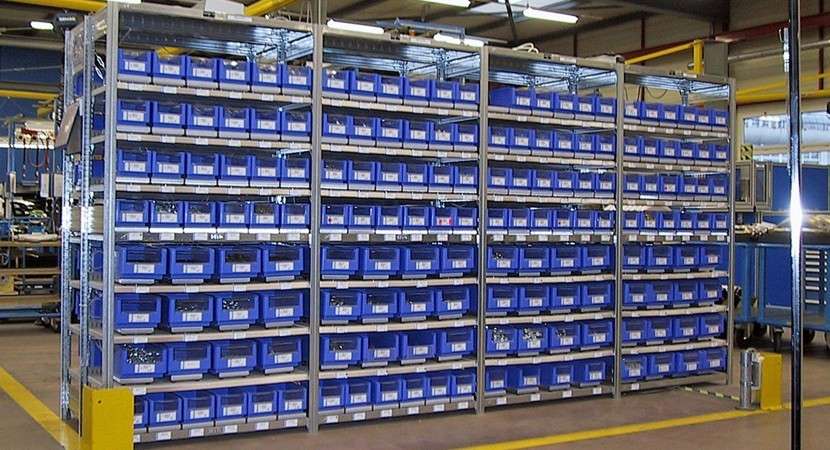
Kanban is a visual system of project management and manufacturing process optimization. It is a popular system used in Lean Manufacturing and is especially helpful in streamlining production processes and reducing lead times. It is based on the concept of “just in time” production and encourages production activities to be based on real customer demand rather than guesswork. It uses cards, boards, and visual cues to help keep track of production processes and ensure the right materials are in the right place at the right time. By using this system to manage your production process, you can reduce waste, improve efficiency, and increase customer satisfaction.

Digital kanban system for manufacturing industry:

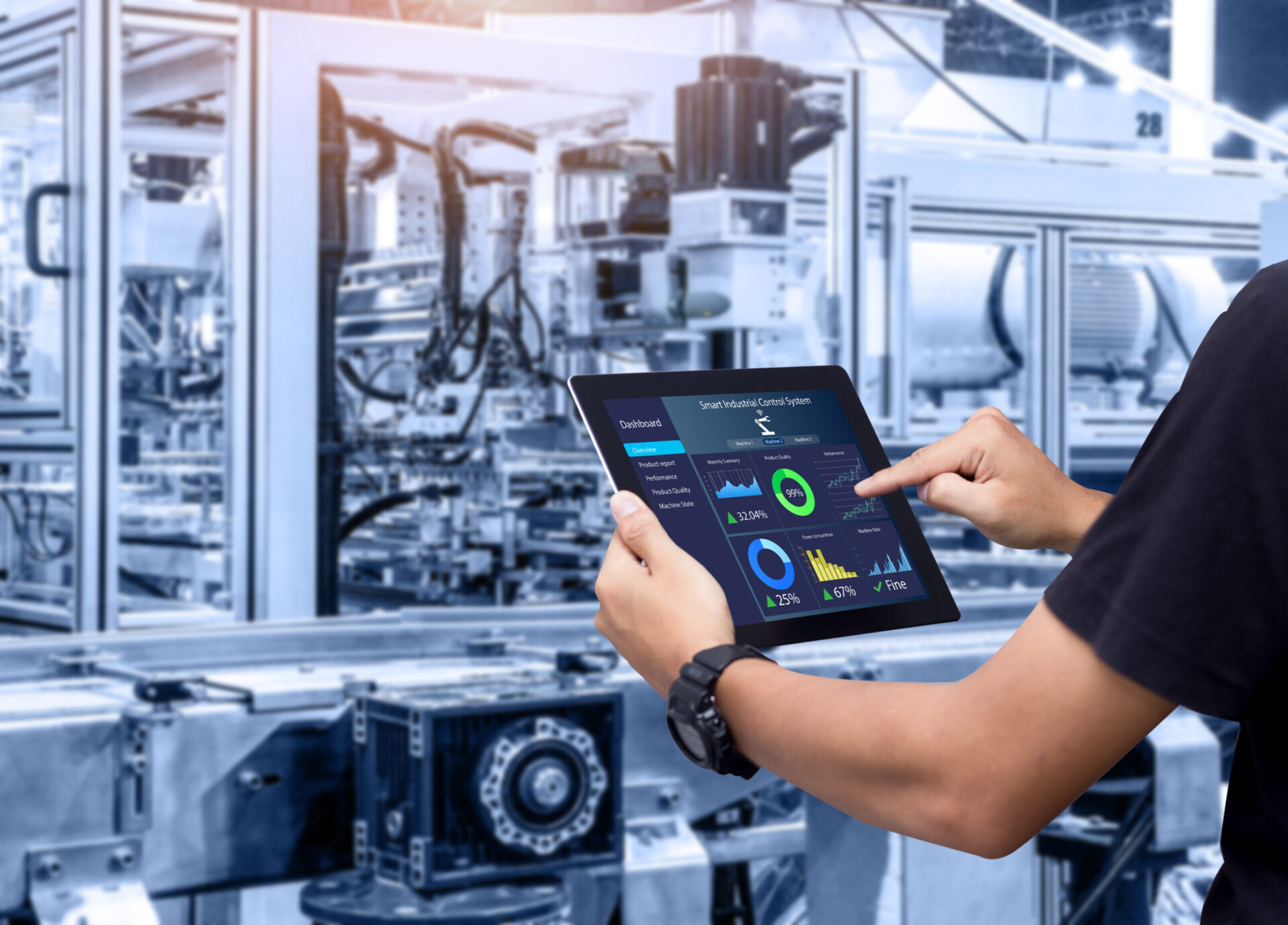
A digital Kanban system for the manufacturing industry is an automated system that helps manufacturers optimize their production processes. It utilizes digital technology to reduce manual processes and streamline production. The system helps manufacturers keep track of inventory, manage production schedules, and monitor the quality of products. By utilizing a digital system, manufacturers can reduce costs, optimize production, and ensure customer satisfaction.

A man is using digital kanban

Why Digital Kanban system for manufacturing industry:

This Digital system for the manufacturing industry can provide a range of benefits, those are:

  • Improved visibility into production, increased efficiency, and reduced costs
  • With this digital system, manufacturers can track production in real-time, allowing them to adjust production and identify any potential issues quickly
  • It can help to reduce lead times, improve order accuracy, and reduce overall inventory levels
  • By providing visibility into your production process, manufacturers can also reduce waste and increase quality control, which leads to improved customer satisfaction.
Say goodbye to production bottlenecks with E-Kanban!

Learn how it can help you increase productivity and efficiency in your manufacturing process…

Uncategorized

Importance of Safety Audit Management Software

Conducting safety audits is an important part of your job, and managing them digitally is a great way to eliminate the paper files.

The audit management software is used to manage the internal audits. In view of the fact that hiring an auditor can be time-consuming and costly, the audit software tools come in handy and it makes auditing easier and more efficient. 

In such instances, Audit Software helps cost-effectively manage the internal workflow of the company. Moreover, by implementing this tool, you get to store and regulate the audit findings and have the opportunity to skip manual interventions. 

Why Audit Software is important?

A safety audit platform automates scheduled inspections and reporting across sectors. As the job and industry sectors modernize in the face of the industry 4.0 revolution, paperwork and records continue to be digital. At this point, every business is looking for cost-effective and time-saving Software tools to prevent the difficulty of handling and keeping paperwork.

Safety officials, managers, and frontline employees utilize workplace safety applications to conduct safety audits, identify risks, and report on corrective actions. A safety inspection app should be simple to use, capture detailed photo proof etc.,

Importance of Safety Audit

The features you will get from digital safety audits:

☑ Easy checklist creation

☑ Custom scheduled audit assignments

☑ Smart corrective actions with active monitoring

☑ Automatic report generation

☑ Get timely reminder for audits

☑ Mobile safety inspection app

Look for Audit Management Software that stores all of your important safety documents in one place and allows you easy access to them during an audit.

How do you know which software is best for your business? Here are some information which will help you make decisions.

  1. Can i able to use the software to perform audits from remote?

Your safety auditing software is adaptive to accommodate the current technology as well as the preferences of your users. Look for a software solution that allows you to connect in remotely from any device, allowing your team to do the audit immediately in the system rather than writing everything down on a piece of paper and manually entering it later.

2. Will the system alert me when the next audit is due?

Consider the real-time scenario – you are busy and have so much on your mind it feels like information overload at times. All you need is a help where you can get to remind to stay on schedule.

Look for an audit management system that allows you to schedule recurring audits and notifies a designated person when the next one is due.

3. Can we create checklist for the audit?

Yes, Soft designers will help you create checklist digitally. Digital audit application make it easy to include images, videos and other media directly into your checklist. checklist can be linked to corrective actions.

4. Can we assign the checklist to authorized engineer?

Managers can assign the particular tasks to authorized engineers. The authorized users can login and view the tasks to complete the audit quickly.

5. Can we get the detailed report of audit performed?

By digital audit you can able to see the detailed report with real-time, here you can view the assigned authorized engineer, the completed audits, pending and upcoming audits.

6. What are the benefits i will get using digital audit?

  • Get timely reminder for audits
  • Identify areas of improvement and prevent future injuries or damage from occurring
  • Get calendar view of PM for better planning
  • Mobile safety inspection app
  • Customize checklist
  • Ability to assign different engineers
  • Comprehensive safety audit report
Uncategorized

Health and Safety Management system

Health and safety management system – Organizations try to reduce the issues related to safety and health hazards through EHS programs at the workplace. These programs attempt to identify, assess, and control workplace hazards, as well as train workers about the hazards and how to work in a safe and healthful manner, thereby protecting their own safety and health, the safety and health of others in the workplace, and the safety, health, and environmental conditions in their larger community. The most obvious advantage of EHS and workplace EHS programs is the prevention of accidents such as injuries, illnesses, and harmful environmental emissions.

Furthermore, workplace EHS programs demonstrate to employees that their companies care about their well-being. Some companies might have fewer occurrences if it has an active EHS culture. This will make your employees feel more secure and respected. And this will also improve employee morale, retention, productivity, and even hiring.

What is Health and Safety Management system?

EHS experts will do all in their power to improve the value of the EHS program for workers.  They are very much responsible for all employee’s safety at work and the use of proper safeguards. EHS Managers are also in charge of ensuring that the organization complies with all environmental standards and policies.

An EHS manager’s responsibilities towards safe and health management system are broad and may include the following:

  • Performing industrial hygiene tasks or collaborating with industrial hygienists
  • Conducting incident investigations
  • In responsible for the safety and health management program
  • Conducting occupational hazard analyses
  • Ensuring the implementation of environmental, health, and safety training
  • Assisting in the operation of safety committees
  • Ensuring compliance with EHS regulations
  • Conducting walkthroughs and safety inspections on the job site
  • EHS leading and lagging indicator collection and analysis
  • Assisting in the enhancement of human and operational performance
  • Carrying out risk management responsibilities

EHS Software Solution?

There are numerous software tools that can be employed as part of an organization’s EHS management program. These can include software applications that do the following:

  • Manage programs for restricted space entry permits, hot work permits, and other related written permits.
  • In control of incident investigations
  • Control spill responses
  • Assist in the administration of the health and safety management program.
  • Control safety data sheets
  • Control the tracking of emissions.
  • Manage EHS training

Every firm is primarily concerned with the safety of its personnel. Obviously, every employer seeks high-quality applications to install in their business. As a result, we’d like to recommend the best EHS Manager software: https://www.softdesigners.co.in/ehs-software/ – Visit this page to learn more about Software.

Uncategorized

What is a work Permit or PTW?

First, let us explain what we mean by a digital work permit system. We often hear people think of this as simply using a computer as a means of generating and printing a paper version of a work permit rather than manually doing it in the form of a paper-based work permit.

“A digital work permit is way more than that, it provides a consistent and effective visual interface for work management and monitoring and allows for quick and efficient decision-making.”

It provides users with complete visibility regarding the status of all permits (even from other remote sites), making it easier to manage security instructions and take action against risks. Furthermore, the digital work permit helps to automatically identify everything that has expired.

Benefits of Work Permit

There are so many potential benefits of choosing the digital work permit, here are some mentioned below :

  • Decrease of time required when planning permits:thanks to drop-down lists, already configured in the system, it is possible to select the operations to be carried out, the authorized persons and the controls to be carried out in one click. An important time saving at this stage.
  • Faster work permit approval: There is no longer any need to move to another place to validate permits. Approval is done remotely from data and planned elements on the system. This will also allow to save time.
  • Faster decision making:Instant access to information recorded on the system improves control and visibility of both planned and ongoing work. Real-time analysis of this data can even, under some circumstances, prevent an increased security risk. This allows for proactive measures to be taken to avoid an incident.
Uncategorized

Smart Factory or digitalized benefits

Smart Factory overview:

A smart factory or Digitalising a manufacturing plant brings with it numerous benefits that affect the planning, quality, and development of products and logistics in the supply chain. Here are the most important competitive advantages:

  • Speed and flexibility in the face of the unforeseen.
  • Real-time digital and physical connection through sensors and IoT devices.
  • Resource planning and optimisation.
  • Reliability of stored data.
  • Transparency between all departments.

In the long run, we have other advantages, such as the benefits that Machine Learning provides. We require time to collect and store enough data to plot a forecast in demand, perform preventive and predictive maintenance or generate digital twins, these are only some of the actions that Machine Learning can do for us.

To know more about digitalized products:

Uncategorized

Smart Factory industry – how to implement?

Smart factory industry Overview:

For a “traditional” industry to become a Smart Factory, it mostly requires the involvement and motivation of the company management to have a vision towards digitization, as well as professionally knowledgeable work teams dedication and coordination that can lead the transformation. However, all these statements for management and for a team of professionals must work with the technologies and tools that will help and allow them to control, analyze and improve production and plant times:

  • Cloud monitoring, better known as the cloud, where you can store all the information and the large volume of data that is generated both in the plant (robots, sensors, intelligent devices …) and in the specific tools (MES, ERP…).
  • “Internet of Things” or IOT. Connectivity between machines allows you to coordinate systems, capture the real time data, have remote control of production, as well as exchange information between systems and products.
  • Data collection and analysis All information generated through connections between machines or plants and tools must be collected and analysed in real time with two objectives: the first is to identify patterns; and, the second, prevent future events. Gathering and analysing data is a crucial notion in the concept of the Factory 4.0, as it enables to unleash the potential hidden in the equipment, resources and people.
  • Cybersecurity is an essential technology in a Smart Factory since privacy and data protection is the most key aspect for industries.
  • Virtual and Augmented Reality help operators with product organisation, production tasks and equipment maintenance and repair. But we must not confuse both terms; when we speak about augmented reality, we refer to the technology that allows us to overlay, in real time, digital information to information that is perceived through our eyes requiring only a smartphone. While virtual reality requires special glasses to transport ourselves to the virtual world.

Click the below link to know more about Digital or Smart factory implementation