
Category: Digitization

DigitizationEHS

Cloud Safety: Digital Platforms in Risk Management

In today’s digital age, organizations are increasingly turning to cloud-based solutions to manage their operations, including risk management. Digital platforms have revolutionized the way companies approach safety, enabling them to streamline processes, improve compliance, and reduce risks.

The Challenges of Traditional Risk Management

Traditional risk management approaches often rely on manual processes, paper-based reporting, and periodic audits. While these methods have been effective in the past, they have several limitations:

manual risk reporting
  • Time-consuming and labor-intensive
  • Prone to errors and inconsistencies
  • Lack of real-time visibility into potential hazards
  • Difficulty in scaling to meet growing organizational needs
The Benefits of Digital Platforms in Risk Management

Cloud safety Digital platforms offer numerous benefits in risk management, including:

  • Improved safety outcomes through real-time data and analytics
  • Increased efficiency through automation and streamlined processes
  • Enhanced compliance with regulatory requirements
  • Better decision-making through data-driven insights
Cloud Safety
AI-Based Risk Assessment:

AI-based risk assessment takes risk management to the next level. With AI-powered digital platforms, organizations can:

  • Track Any Machine: Monitor equipment and machinery in real-time, identifying potential hazards and risks.
  • Categorize and Prioritize Risks: AI algorithms categorize and prioritize risks based on Impact and Probability, enabling organizations to focus on the most critical risks.
  • Conduct Risk Assessments with Work Permits: AI-powered platforms integrate risk assessments with work permits, ensuring that employees understand the risks associated with a particular task or activity.
  • Mitigate Risks Easily: AI-powered platforms provide recommendations for reducing risks, enabling organizations to take proactive steps to prevent incidents.
Collaborative Digital Apps:

Collaborative digital apps take safety management to the next level. With these apps, organizations can:

  • Automate Notification and Alert Systems: Ensure that employees receive critical safety alerts and notifications in real-time.
  • Enhance Productivity: Streamline safety processes, reducing administrative workloads and enabling employees to focus on high-value tasks.
  • Improve Safety Culture: Promote a culture of safety excellence, encouraging employees to report incidents and near-misses, and providing training and awareness programs to prevent incidents.
Conclusion

Cloud safety digital platforms have revolutionized the way organizations approach safety and risk management. By leveraging AI-based risk assessment, collaborative digital apps, and real-time data and analytics, organizations can create a safer, more productive work environment. Join the digital revolution and transform your organization’s approach to safety management today!
DigitizationIndustry 4.0Uncategorized

Kanban – Discover the power of Kanban system

Kanban: Learn how to use this method to streamline your production process:

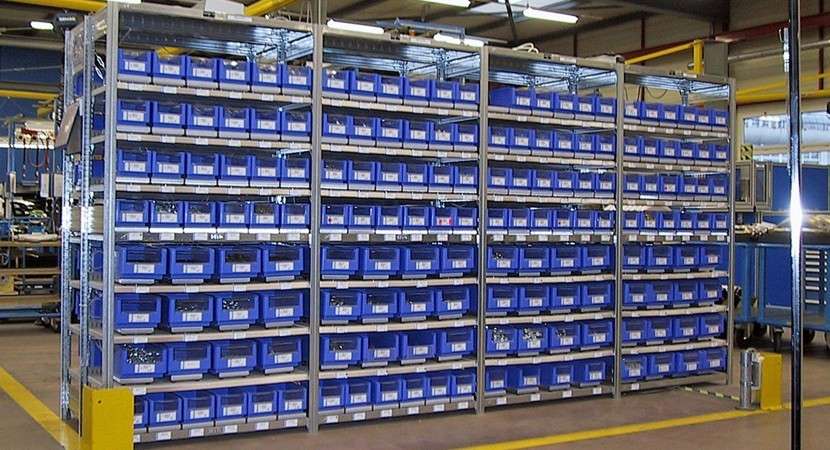
Kanban is a visual system of project management and manufacturing process optimization. It is a popular system used in Lean Manufacturing and is especially helpful in streamlining production processes and reducing lead times. It is based on the concept of “just in time” production and encourages production activities to be based on real customer demand rather than guesswork. It uses cards, boards, and visual cues to help keep track of production processes and ensure the right materials are in the right place at the right time. By using this system to manage your production process, you can reduce waste, improve efficiency, and increase customer satisfaction.

Digital kanban system for manufacturing industry:

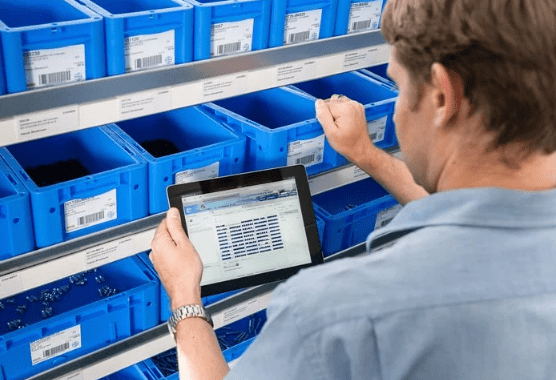
A digital Kanban system for the manufacturing industry is an automated system that helps manufacturers optimize their production processes. It utilizes digital technology to reduce manual processes and streamline production. The system helps manufacturers keep track of inventory, manage production schedules, and monitor the quality of products. By utilizing a digital system, manufacturers can reduce costs, optimize production, and ensure customer satisfaction.

A man is using digital kanban

Why Digital Kanban system for manufacturing industry:

This Digital system for the manufacturing industry can provide a range of benefits, those are:

  • Improved visibility into production, increased efficiency, and reduced costs
  • With this digital system, manufacturers can track production in real-time, allowing them to adjust production and identify any potential issues quickly
  • It can help to reduce lead times, improve order accuracy, and reduce overall inventory levels
  • By providing visibility into your production process, manufacturers can also reduce waste and increase quality control, which leads to improved customer satisfaction.
Say goodbye to production bottlenecks with E-Kanban!

Learn how it can help you increase productivity and efficiency in your manufacturing process…

Kanban System FAQ

What is a Kanban system?
A Kanban system is a visual workflow management method that helps teams track tasks and optimize processes using boards, cards, and columns. It allows organizations to manage work efficiently and improve productivity by making workflows visible.
How does a Kanban board work?
A Kanban board organizes tasks into columns such as “To Do,” “In Progress,” and “Done.” Each task is represented by a card that moves across these stages, helping teams track progress, identify bottlenecks, and manage workload effectively.
What are the key benefits of using Kanban?
Kanban improves workflow visibility, increases productivity, enhances collaboration, and reduces bottlenecks. It also helps teams manage work-in-progress and continuously improve processes for better efficiency.
How is Kanban used in business and manufacturing?
Kanban is widely used in industries like manufacturing, IT, and project management to streamline workflows, manage inventory, and improve operational efficiency. It supports real-time tracking and helps organizations deliver work faster and more efficiently.
What is the difference between Kanban and Scrum?
Kanban is a continuous workflow system with no fixed iterations, while Scrum follows time-based sprints. Kanban offers more flexibility, allowing teams to adapt quickly to changes without disrupting the workflow.
How does Kanban improve productivity and efficiency?
Kanban improves productivity by visualizing tasks, limiting work-in-progress, and identifying inefficiencies in real time. This helps teams focus on priorities, reduce delays, and ensure smoother workflow execution.
Can Kanban be used with other methodologies?
Yes, Kanban can be integrated with Agile, Scrum, or even traditional project management methods. Its flexibility allows organizations to adapt it to their existing processes without major structural changes.
Digitization

Return On Investment-ROI for EHS Software Solutions

ROI for EHS Software

Calculate the ROI

Are you afraid to invest money in EHS Software Solutions? Do you still think that a paper-based system will improve your productivity in the near future?

This article will walk you through the benefits of Digital EHS software and what you will get in return.

Choosing the right EHS software should deliver greater value than its cost With the help of our EHS Manager software, you can save time and cost over a year’s time along with efficiency, accuracy, speed and reporting capabilities

Here are some metrics to consider:


Time saving:

 By using a paper-based system, how many hours each EHS employee spend per month on duties such as record-keeping and updating, files uploading manually, assigning tasks, notifications and approving the permits, data analysis and preparing for external audits, reporting incidents or near misses and carrying out a risk assessment, etc., 

Now you can think how much time you can save by using software! Digital EHS software will help you in each step.

Based on our customer review: Before the software implementation our customer company was taking more than 2 to 4 hours to approve the permits for workers, But the software implementation now they are able to approve the permits within 10 to 15 minutes along with safety suggestions which is needed for each particular work

Reduce cost:

Your organization should be able to reduce costs through greater productivity and improved performance with the right software. When you discover the amount of time your team saves by using EHS software, you can calculate the resulting cost savings.

Improve Compliance performance:

EHS software safety compliance is designed to keep organizations compliant with an ever-evolving landscape of environmental and safety regulations. Staying in compliance not only avoids costly fines and penalties but also prevents the damage to reputation that can result from non-compliance issues. The savings achieved by avoiding compliance-related legal disputes are a substantial component of ROI. With the paper system, It’s very difficult to improve compliance performance without knowing when tasks are due, who’s working on which task, and if there are any issues. 

The EHS software can provide you with full visibility into compliance performance trends and patterns by site, employee, or date range.

Reduce Incidents:

The use of EHS software alone won’t be enough to prevent incidents and accidents. The software can provide you with valuable insights that can help management take action to prevent incidents and near misses.

Based on our customer feedback: 60 to 70% safety compliance has been improved within a year.

In conclusion, the ROI of EHS software solutions extends beyond mere cost savings; it encompasses improved safety, streamlined processes, and a proactive approach to sustainability. By investing in EHS software, organizations not only protect their bottom line but also ensure a safer and more efficient workplace that is well-prepared for the challenges of the future. In the world of business, a safer and more sustainable future is a wise investment with a considerable return.

Ready to Unlock the ROI Potential of EHS Software Solutions?

EHS Software ROI FAQ

What is ROI in EHS software?
ROI (Return on Investment) in EHS software measures the financial and operational benefits gained compared to the cost of implementing the software. It helps organizations understand how much value they receive from improved safety, compliance, and efficiency.
How do you calculate ROI for EHS software?
ROI is calculated by comparing the benefits gained (such as reduced incidents, cost savings, and productivity improvements) against the total investment cost. A common formula is: ROI = (Total Benefits – Investment Cost) ÷ Investment Cost × 100.
What factors should be considered when calculating ROI?
Key factors include cost savings from reduced incidents, lower compliance penalties, productivity gains from automation, and administrative efficiency. Both tangible benefits (financial savings) and intangible benefits (employee morale and reputation) should be considered.
How does EHS software reduce costs?
EHS software reduces costs by minimizing workplace accidents, lowering insurance expenses, reducing downtime, and preventing regulatory fines. It also automates manual processes, saving time and operational expenses.
Can EHS software deliver measurable ROI?
Yes, organizations can measure ROI through reduced incident rates, improved compliance, and increased operational efficiency. For example, companies implementing EHS systems have reported significant reductions in safety incidents and operational losses, leading to high ROI percentages.
How long does it take to see ROI from EHS software?
ROI timelines vary depending on implementation scale, but many organizations begin to see measurable results within a few months through improved efficiency, faster reporting, and reduced incidents. Long-term ROI continues to grow as processes become more optimized.
Digitization

Digitization VS Traditional manufacturing

No wonder! We are in the 21st century. Everyone needs to be changed and adaptive to the new trends and technologies. Globalization and increased competition have caused manufacturing companies to face an increasingly volatile and frequently changing market environment. In order to remain competitive, companies must develop manufacturing systems that can allow them not only to produce products efficiently but also to respond quickly to evolving market pressures and consumer preferences.

The traditional manufacturing model is also a great solution for mass marketing items, but in today’s world consumers expect brands to use advanced technology to meet their high-demand, instant delivery requirements. To meet the massive demand for everyday products from the food industry, automotive, electronics, and textile industries need to transform their industries into a digital ones.

Digitization                           Traditional manufacturing  
Faster production                        Production time is longer
Reduced material wasteIncreased material waste  
It can be easily customized                                                   It is difficult to customize
Cheaper to make prototypes                                     Expensive to make prototypes  
Reduced labor costs                                                  Increased labor costs  

Challenges faced by manufacturing industries:

  • Lack in production track:

Manufacturing faces a number of challenges, which include keeping up with regulations, implementing them, and tracking their implementation. An international company faces an even greater challenge. A manufacturing company must track and trace every item to ensure safety and deliver quality products.

Featured Solution: Traceability helps to monitor the operation flow, quantities of raw material used, time spent by the operator at each work station to do the product activity, and also the overall productivity of the plant.

  • Product development:

The manufacturing industry faces many challenges in terms of product innovation and development.

Featured Solution: A Production Monitoring System is a great way to meet production targets. This gives you real-time updates of production on the shop floor when you integrate it with the machine.

  • Lack of employee’s safety:

Safety is a top priority in manufacturing and also among the many challenges that the industry faces.

Featured Solution: EHS Management Software solution for Manufacturing is used to track and monitor the health status of the employees and contractors in the workplace.

  • Product maintenance:

The manufacturing industry is also challenged with maintaining a balance between throughput and maintenance. A breakdown or a shortage of supplies can seriously impair production.

Featured Solution: SoftDesigners has helped to overcome these challenges to many companies by providing the Andon system. It is a visual representation of daily operations that shows where the action is needed.

  • Other Products:
  1. Kanban: Using E-kanban, online Material alerts can be given from the Production line, material delivery Time can be tracked, the material shortage can be informed, red flag materials can be managed systematically and Warehouse materials can be managed using the software.
  2. Digital work instruction: It allows users to follow step by step process visually with the help of Videos or photos or training material or document templates in order to complete the task in an efficient manner. This system makes the operator follow the instructions to make an error-free product.
  3. Ai surveillance: Soft Designers AI surveillance can quickly and accurately detect the workers parts of a body where PPE is worn. If the worker does not worn the PPE immediately the notification will send to the management team. 
Digitization VS Traditional manufacturing