
Business

Benefits of Using Idea Management Software

“Streamlining Your Innovation: The Benefits of Using Idea Management Software”

Idea management software can help companies streamline your innovation process by providing a single platform for gathering, assessing, and implementing new ideas.

Idea management

Some of the advantages of using this type of software are as follows:

  1. Improved Collaboration: Idea management software enables team members to share and discuss ideas in a centralized area, improving communication and collaboration.
  2. Increased Efficiency: Many of the processes involved in the idea management process, such as concept collecting, selecting, and tracking progress, can be automated by the software, saving time and increasing efficiency.
  3. Better Decision Making: Data and analytics provided by the programme can assist managers in making more informed decisions about which concepts to pursue.
  4. Greater Engagement: Organizations may enhance employee engagement and build an innovative culture by offering a venue for employees to share their ideas.
  5. Better Accessibility: Idea management software may be accessible from any device and from any location, giving all stakeholders greater flexibility and accessibility.

Idea Management Software FAQ

What is idea management software?
Idea management software is a digital platform that helps organizations collect, evaluate, and implement ideas from employees, customers, and stakeholders. It provides a structured process to turn innovative concepts into actionable business solutions.
What are the main benefits of idea management software?
The main benefits include improved collaboration, increased efficiency, better decision-making, and enhanced employee engagement. It centralizes idea collection and automates workflows, making innovation more structured and effective.
How does idea management software improve innovation?
It improves innovation by capturing ideas from across the organization, enabling collaboration, and providing tools to evaluate and prioritize the best ideas. This creates a continuous innovation pipeline and ensures valuable ideas are not lost.
Can idea management software increase employee engagement?
Yes, it increases engagement by giving employees a platform to share ideas and contribute to organizational growth. When employees feel their ideas are valued, it boosts motivation, participation, and overall job satisfaction.
How does idea management software support better decision-making?
The software provides analytics, reporting tools, and structured evaluation processes that help managers assess ideas based on feasibility and impact. This enables data-driven decision-making and better prioritization of initiatives.
Is idea management software suitable for all industries?
Yes, idea management software is highly flexible and can be used across industries such as manufacturing, IT, healthcare, and retail. It helps organizations improve processes, reduce costs, and drive innovation regardless of their sector.

Artificial Intelligence
3d,Rendering,Artificial,Intelligence,Ai,Research,Of,Robot,And,Cyborg

AI and Machine Learning in Business:

“AI and Machine Learning in Business: Strategies for Success”

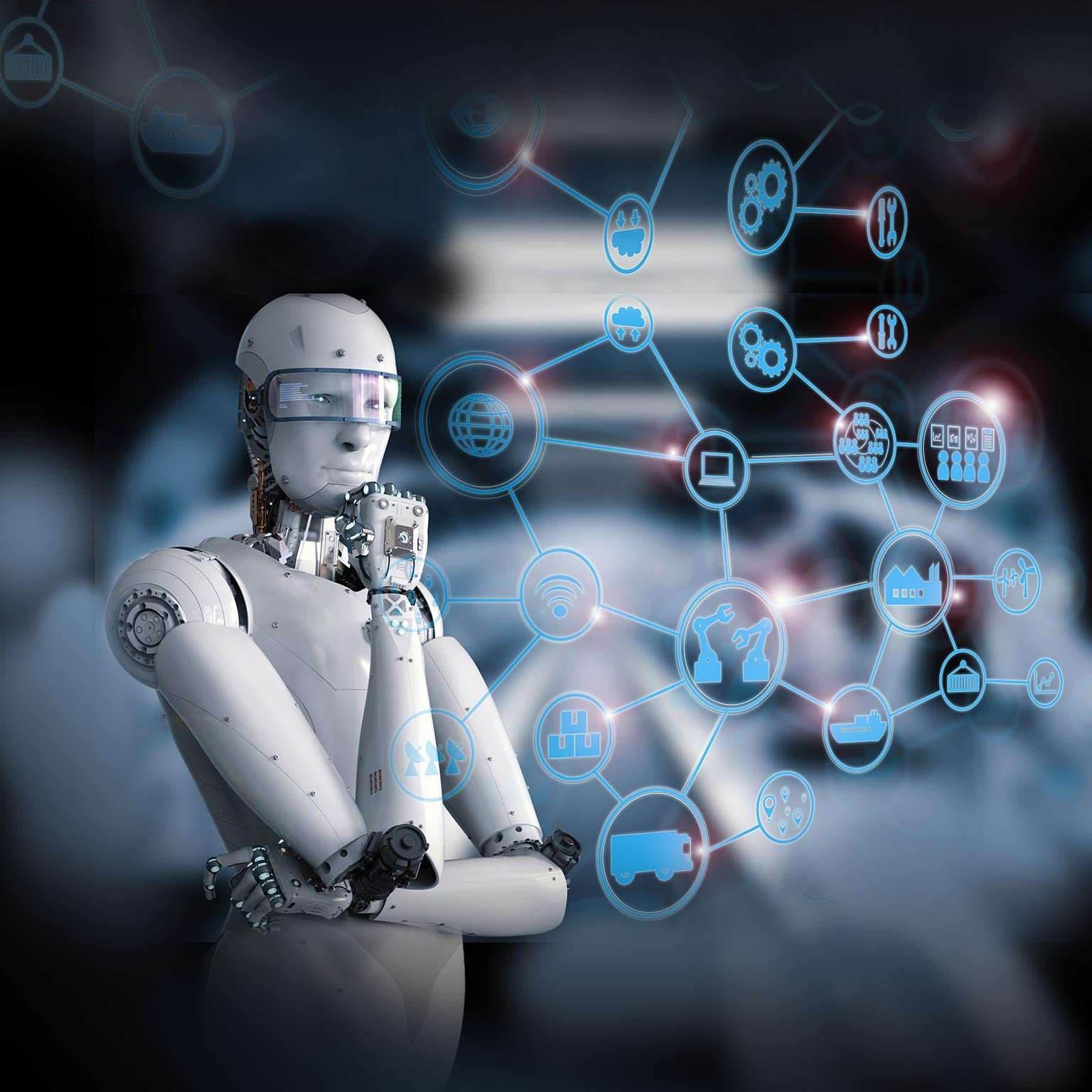
Businesses are rapidly utilizing AI and machine learning to improve decision-making, automate repetitive things, and generate insights from data. 

An AI-based PPE detection camera can automatically detect whether someone is wearing personal protective equipment (PPE), such as a hard hat or face mask, using computer vision and machine learning algorithms. An AI system examines an image or video taken by the camera to determine whether the person is wearing the proper PPE. These cameras can be utilized in a variety of locations, such as workplaces or public areas, to verify that PPE standards are being followed and to advance safety.

There are several strategies that organizations can use to ensure the successful implementation of AI technology:

  1. Automation: Manufacturing companies may enhance productivity, reduce costs, and expand capacity by implementing automation technology like robotics, autonomous driving, and machine learning.
  2. Predictive maintenance: Manufacturers may reduce downtime and improve the longevity of their equipment by using AI-based predictive maintenance systems to forecast when equipment is likely to fail and schedule repair before an issue arises.
  3. Quality control: AI-based quality control systems can assist producers in real-time defect detection and product quality improvement.
  4. Personalized Products: AI-based systems can be used to create customized products based on customer needs and preferences, this could be as simple as customizing the color of a product to a complex algorithm that creates a product from scratch.
  5. Smart Factories: integrating AI, IoT, and other technologies to use to build a smart factory where systems and equipment are interconnected and collaborate to increase efficiency, decrease downtime, and reduce costs.
  6. Data analytics: Manufacturers may enhance their operations and become more competitive by using AI-based data analytics to find significant insights from their data..

Want to know how Ai system works?

AI & Machine Learning in Business FAQ

What is AI and machine learning in business?
Artificial intelligence (AI) refers to systems that can perform tasks requiring human intelligence, while machine learning (ML) is a subset of AI that enables systems to learn from data and improve over time. In business, these technologies are used to automate processes, analyze data, and enhance decision-making.
How do AI and machine learning benefit businesses?
AI and ML help businesses automate repetitive tasks, improve efficiency, reduce human error, and enhance customer experiences. They also enable faster and more accurate decision-making through data analysis and predictive insights.
What are common use cases of AI in business?
Common use cases include customer service chatbots, predictive analytics, fraud detection, supply chain optimization, personalized marketing, and process automation. These applications help businesses improve performance and customer engagement.
How does AI improve decision-making?
AI analyzes large volumes of data in real time to identify patterns, trends, and insights that humans may miss. This enables businesses to make faster, more accurate, and data-driven decisions while reducing bias and uncertainty.
Can AI reduce operational costs?
Yes, AI reduces operational costs by automating manual tasks, minimizing errors, optimizing resource utilization, and preventing downtime through predictive maintenance. This leads to significant cost savings and improved efficiency.
What is the future of AI and machine learning in business?
The future of AI and ML in business includes greater automation, real-time analytics, and intelligent decision-making systems. These technologies will continue to drive innovation, improve productivity, and enable businesses to stay competitive in a digital-first world.
IOT platform

Iot system: Evolution of Technology build the future

“Explore the Iot system (Internet of Things): A Beginner’s Guide to Building Smart Systems”

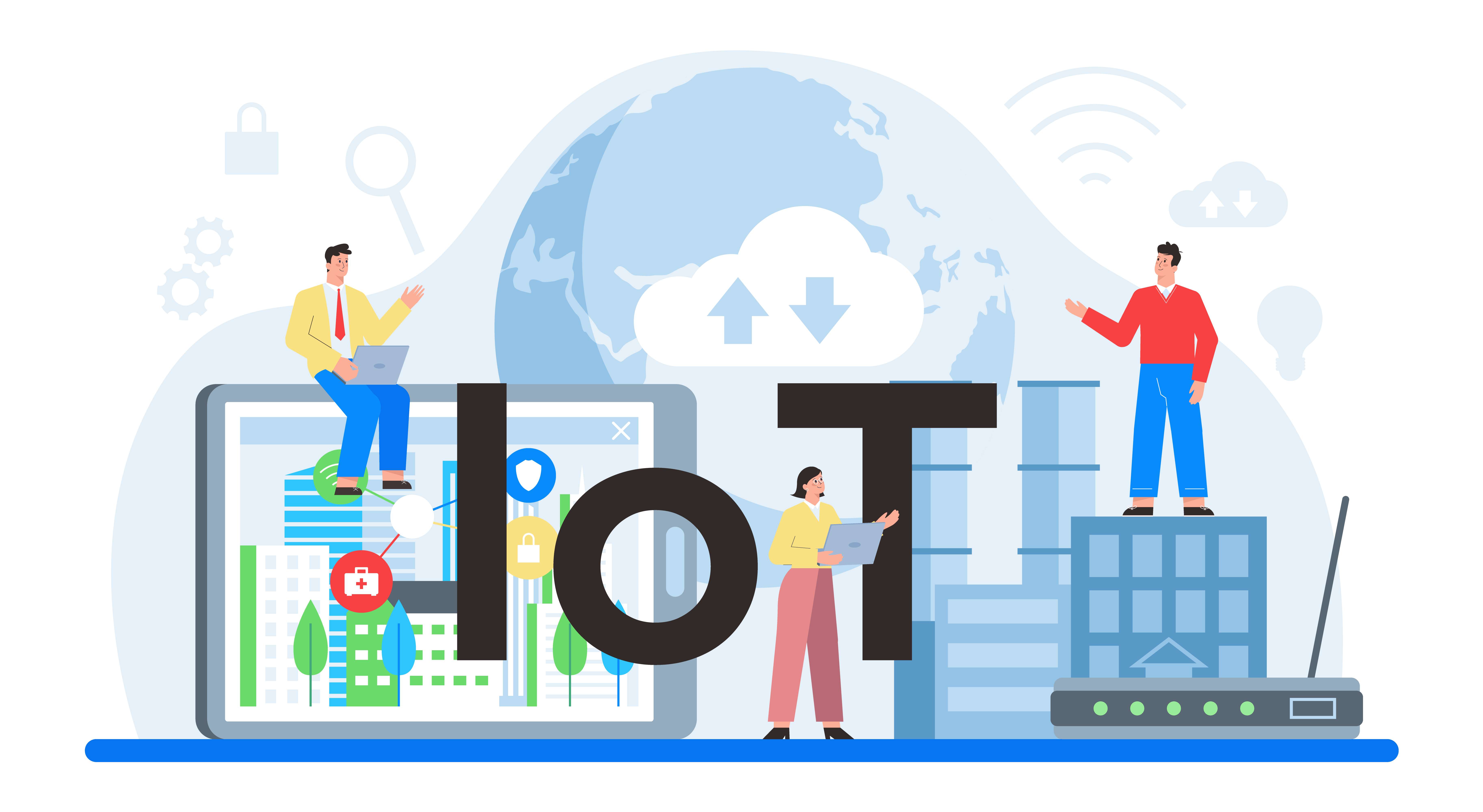
The Internet of Things (IoT) is a network of physical items, including machines, cars, buildings, and other things, that are connected to the internet and equipped with sensors, software, and connections. These connected electronics can communicate with other connected devices and systems to carry out a variety of functions, and they may be remotely controlled and monitored.

IoT systems are used in many different applications, such as connected cars, smart homes, industrial automation, and healthcare. IoT sensors and devices can be utilised in industrial automation to track and manage production processes, boost productivity, and lessen downtime.

IoT systems typically consist of three main components:

Iot_Internet of things

Sensors and devices:

These are the physical device that can be remotely controlled and that collect data. Things like temperature sensors, cameras, and actuators are among them.

Network:

The devices need to be connected to a network in order to communicate with other devices and systems. This can be a local area network (LAN) or a wide area network (WAN), such as the internet.

Cloud or on-premises platform:

This is where the data gathered by the devices is kept, examined, and used. This might be an on-premises solution like a private data centre or a cloud-based platform like Amazon Web Services (AWS) or Microsoft Azure.

The development of new technologies like edge computing and cloud servers, which allow data to be processed closer to the source rather than being transported to a central location for processing, has also been facilitated by the advent of IoT devices. IoT systems may operate more quickly and effectively as a result.

IoT is an all-encompassing technology that is currently transforming a number of industries and enabling improved automation, optimization, and control over a number of elements of our life.

Building smart systems using IoT involves several steps, including:

  1. Identifying the problem or opportunity: The first step in building a smart system is to identify a problem or opportunity that can be addressed using IoT technology. This could include things like increasing efficiency, reducing downtime, or improving safety.
  2. Gather requirements: After a challenge or opportunity has been recognised, collect IoT system requirements. This covers details such as the kinds of data that must be gathered, how it will be used, and what equipment and sensors are required.
  3. Design and development: The IoT system’s design and development come next after the requirements have been established. Choosing the proper hardware and software, such as sensors, microcontrollers, and communication protocols, as well as creating the software that will operate on the devices, are usually involved.
  4. Testing: The system needs to be tested to make sure it is operating correctly and that it can manage the anticipated demand before it is deployed.
  5. Deployment: The system can be put into use in the field once it has undergone testing and proven to function as intended. Installing the hardware, connecting it to the network, and setting up the software are the usual steps in this process.
  6. Maintenance and monitoring: The system needs to be maintained and monitored after deployment to make sure it keeps working properly and to make any necessary upgrades or modifications.

Overall, developing IoT systems involves choosing the appropriate problem to solve, gathering and understanding the requirements, choosing the appropriate hardware and software, testing it, and then putting it into use in the real world.

IoT System Evolution FAQ

What is an IoT system?
An IoT (Internet of Things) system is a network of connected devices equipped with sensors, software, and communication technologies that collect and exchange data. These systems enable real-time monitoring, automation, and intelligent decision-making across industries.
How has IoT evolved over time?
IoT has evolved from simple machine-to-machine communication to advanced intelligent ecosystems powered by cloud computing, AI, and big data. Today, IoT enables real-time analytics, predictive insights, and automation across connected environments.
What is the role of IoT in Industry 4.0?
IoT plays a central role in Industry 4.0 by connecting machines, systems, and processes to create smart factories. It enables real-time data exchange, automation, and intelligent decision-making, transforming traditional manufacturing into digital ecosystems.
What are the key benefits of IoT systems for businesses?
IoT systems help businesses improve efficiency, reduce operational costs, and enhance productivity. They provide real-time insights, automate processes, and enable predictive maintenance, reducing downtime and improving overall performance.
How does IoT improve manufacturing and industrial operations?
IoT improves industrial operations by enabling predictive maintenance, real-time monitoring, and optimized production processes. It helps identify inefficiencies, reduce waste, and enhance quality control, leading to smarter and more efficient manufacturing systems.
How will IoT shape the future of technology?
IoT will shape the future by enabling smart cities, connected healthcare, intelligent transportation, and automated industries. It will drive innovation, improve sustainability, and support data-driven decision-making across all sectors.
ESG solution

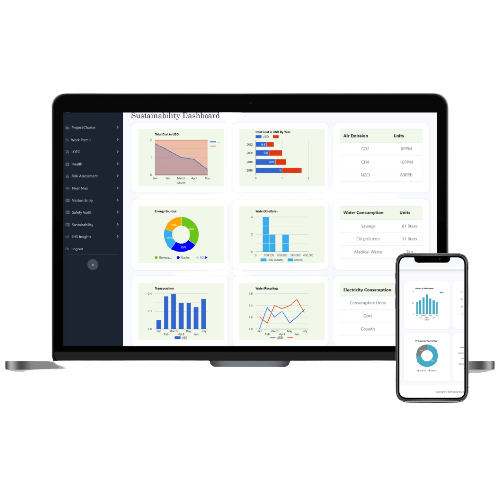
Esg Evolution: Reporting for a sustainable future

The ESG Evolution: How Business is Leading the Change for a Sustainable Future

ESG stands for Environmental, Social, and Governance. It serves as a framework for assessing the societal impact and sustainability of businesses and organizations.

In recent years, ESG evolution have grown in importance as more investors and stakeholders seek ways to assess a company’s success not only in terms of financial returns, but also in terms of its impact on the environment, society, and the communities in which it operates.

The idea of ESG has grown through time to become increasingly comprehensive and demanding. Initially, it was primarily concerned with environmental issues, such as a company’s carbon footprint and natural resource management. Later, it broadened to encompass social issues such as a company’s treatment of employees, impact on local communities, and dedication to human rights. Governance considerations, including as a company’s management structure, dedication to openness, and attempts to prevent corruption, have recently been introduced to the ESG framework.

As people become more aware of ESG, there is a greater demand for more precise and reliable data on a company’s ESG performance. As a result, various ESG rating systems and reporting guidelines, such as the Sustainability Accounting Standards Board (SASB) and the Global Reporting Initiative (GRI), have been developed to provide companies with a framework for reporting their ESG performance in a consistent and comparable manner.

ESG integration is also gaining popularity in financial strategies. Many index funds and exchange-traded funds (ETFs) now follow companies with excellent ESG ratings, and many investing firms are starting to include ESG factors into their investment decisions.

Finally, ESG transformation is defined as the gradual integration of more detailed and accurate data on a company’s ESG performance, more specific ESG reporting criteria, and the incorporation of ESG into investment strategies.

Visit the below page to know about ESG software:

esg reporting software

ESG Reporting & Sustainability FAQ

What is ESG reporting?
ESG reporting refers to the disclosure of environmental, social, and governance data that reflects a company’s sustainability performance and impact. It provides stakeholders with transparency beyond financial results, including environmental practices, social responsibility, and governance policies.
Why is ESG reporting important for businesses?
ESG reporting is important because it helps organizations build trust with stakeholders, attract responsible investors, and improve long-term performance. It also enhances transparency and accountability, which are critical for sustainable growth and risk management.
What are the key components of ESG?
ESG consists of three main components: Environmental (energy use, emissions, waste management), Social (employee well-being, community impact, human rights), and Governance (corporate policies, ethics, and transparency). These factors help evaluate a company’s overall sustainability performance.
How has ESG reporting evolved over time?
ESG reporting has evolved from basic environmental disclosures to comprehensive frameworks that include social and governance factors. Today, standardized frameworks like GRI, SASB, and global sustainability standards ensure consistent and comparable reporting across industries.
What role does ESG software play in sustainability reporting?
ESG software helps organizations collect, analyze, and report sustainability data efficiently. It automates reporting processes, ensures compliance with regulatory frameworks, and provides real-time insights for better decision-making and improved ESG performance.
How does ESG reporting contribute to a sustainable future?
ESG reporting contributes to a sustainable future by promoting transparency, encouraging responsible business practices, and enabling organizations to measure and reduce their environmental and social impact. It helps companies align their strategies with global sustainability goals and stakeholder expectations.
EHS Management

Permit To Work Risk Assessment

What is Permit to work?

Permit to work is an integrated part of control of work (COW). Work control consists of PTW, hazard identification and risk assessment, and isolation management. It is intended to protect employees who are working in dangerous conditions. It guarantees that management systems are followed in such a way that the project is completed safely. The permit to work procedure includes procedures for requesting, reviewing, authorising, and documenting. This ensures that two potentially hazardous procedures do not occur in close proximity.

Why is it important?

Permits to work or safety permits guarantee that workers are informed, trained, and monitored to reduce the danger of any potential human failure events occurring. Risk management is an important component of any modern organization’s operational strategy since it ensures that risk and consequences are considered on a daily and task-by-task basis.

  • Identify the project’s scope, including key stakeholders and a timeframe.
  • Identifying hazards and risks
  • Outline a strategy for mitigating potential hazards.
  • Identify workers and ensure that all training needs are met.


permit to work benefits

Types of PTW or Permit to work?

1. Hot work permit:

The term “hot work” refers to any operation that involves the application of heat or ignition sources to tanks, vessels, pipelines, and other structures that may hold or contain dangerous gas, or in regions where flammable atmospheres may exist. It is usually red or has a red edge.

[download_after_email id=”17717″]

2. Height work permit:

A permit for “Working at Height” is required for all work at heights of 2 meters or above. When scaffold materials are held at the site of erection prior to erection, the “Pre Erection Checklist for Scaffold” must be completed in the appropriate form. Before being used, all tubular scaffolds must be tested and certified. A medical certificate for workers who must work at heights is essential.

[download_after_email id=”17720″]

3. Confined space work permit:

A confined space entry also refers to a vessel entry, and the term permit-required confined space was established by OSHA. Equipment and regions are the responsibility of industries and some workplaces. Confined space that is not intended for work people but allows staff entry to complete a specific duty. They include any vessel, tank, container, pit, or other similar place with a very limited aperture that is not suitable for working for an extended period of time, and this enclosed system causes an accident to occur.

[download_after_email id=”17723″]

3. Excavation Work Permit:

The authorization for employees to mine or excavate land in order to construct infrastructure, extract resources, or uncover hidden artefacts is covered by this permission. There are a variety of risks associated with excavation, such as falling, getting trapped, explosions, and airborne contaminants.

[download_after_email id=”17725″]

4. Electrical Work Permit:

Any task that requires the worker to purposely come into touch with electrically powered circuits is considered electrical work. Unless the testing allows for the worker and/or the worker’s tools to intentionally come into contact with the electrically powered circuits, testing and/or the usage of testing equipment are not considered electrical work.

[download_after_email id=”17727″]

Learn about the importance of digital permit to work or electronic permit system?

The permit to work system’s digitization assists in removing the tedious Excel-based or paper-based processes that are often connected to a manual PTW system. With the help of an E-ptw or electronic permit system, you may streamline the entire procedure to produce a system that is constantly connected, simple to use, highly collaborative, and that has greater accessibility and control over permits.

How to get started:

By registering for a free 14-day free trial account on Soft Designers, you get experience the Best Work Permit software. There are no user or usage restrictions with the trial account, which provides you access to all of the software’s features.

Permit to Work Risk Assessment FAQ

What is a permit to work risk assessment?
A permit to work risk assessment is a structured process used to identify, evaluate, and control hazards before starting high-risk or non-routine work. It ensures that all potential risks are assessed and proper safety measures are in place before issuing a work permit.
Why is risk assessment important in a PTW system?
Risk assessment is essential because it helps identify hazards, evaluate their severity, and implement control measures before work begins. It ensures that high-risk activities are carried out safely and reduces the likelihood of accidents and incidents.
What are the steps involved in permit to work risk assessment?
The key steps include identifying hazards, assessing risk levels, defining control measures, obtaining approvals, and continuously monitoring the work. These steps ensure that safety precautions are followed throughout the work lifecycle.
What types of work require a permit to work risk assessment?
High-risk activities such as hot work, confined space entry, electrical work, working at height, and excavation typically require a permit to work risk assessment to ensure safe execution.
How does a PTW system help in risk control?
A PTW system helps control risks by enforcing safety procedures, ensuring proper authorization, and documenting hazards and precautions. It provides a clear communication channel between teams and ensures accountability throughout the task.
How does digital permit to work software improve risk assessment?
Digital PTW software improves risk assessment by automating hazard identification, standardizing checklists, and providing real-time visibility into ongoing work. It reduces human error, enhances compliance, and ensures better tracking of safety measures.

Artificial Intelligent

AI PPE Detection platform for workplace safety

Do you know how smart Intelligent AI PPE Detection technology is improving industrial safety?

A solution developed by Soft Designers Intelligence AI software – Personal Protective Equipment Detection, uses real-time image processing to replace the traditional / manual control system. PPE is recognized by the system, which benefits employees by improving their safety at work and companies by increasing productivity and regulatory compliance.

Before we get into the use of Intelligence AI software, we will learn about the importance of PPE such as:

  • Head protection – A helmet is required if there is a possibility of falling objects or force onto the head.
  • Eye and face Protection – Protect your eyes and face from hazards such as sprays of toxic liquids, splashes, and burns by wearing safety goggles.
  • Body protection – personal protective equipment (PPE) includes vests and suits that are used to protect against extreme temperatures, flames, sparks, toxic chemicals, insect bites, and radiation for tasks that can lead to body injury.
  • Fall Protection -Safety harnesses and lanyards should be strictly used for tasks that can cause falling from heights and serious injury or death.
  • Hand protection – Gloves should be worn when performing tasks that could lead to the burning of the hands and skin, absorption of chemicals, cuts, fractures, or amputations.
  • Foot Protection – Wear knee pads and safety boots when handling falling or rolling objects, hot substances, electrical hazards, or slippery surfaces.
  • Hearing Protection – Ear protection should be used for tasks that can cause hearing problems and loss of hearing.

Accidents can happen in seconds. Many are caused by negligence of wearing PPE. Our platform empowers safety officers with real time PPE capturing and it enables them to perform their job better and reduce workplace injuries as a result.

PPE (Personal Protective Equipment) detection:

We have assembled a detailed data set of workers wearing different PPE and have trained models that can accurately detect if the required PPE is worn by an employer or not. We have built an AI Technology which are integrated with a camera that will check if the person is wearing the required PPE or not and based on that the visitor / contractor will get the permission to enter the industrial premises, once the supervisor accepts their visit.  

Advantages of AI PPE Detection Software:

  • Reduce workplace accidents
  • Better company culture
  • Increase productivity
  • Lower insurance premiums
AI PPE Detection

Would you like to see the AI Software demonstration?

AI PPE Detection Software FAQ

What is AI PPE detection software?
AI PPE detection software is a workplace safety solution that uses artificial intelligence and computer vision to monitor whether employees are wearing required personal protective equipment such as helmets, gloves, masks, and safety vests. It analyzes live video feeds and automatically detects safety compliance in real time.
How does AI PPE detection work?
The system integrates with CCTV or IP cameras and uses AI algorithms to analyze video streams. It detects whether workers are wearing PPE correctly and triggers instant alerts if violations occur, enabling immediate corrective action.
What types of PPE can be detected using AI?
AI PPE detection systems can identify various safety equipment such as helmets, safety vests, gloves, goggles, masks, and safety shoes. Advanced systems can also verify whether PPE is worn correctly based on zone-specific safety requirements.
What are the benefits of AI PPE detection platforms?
These platforms provide real-time monitoring, reduce human error, improve compliance, and automate safety enforcement. They operate 24/7, ensuring consistent safety checks and helping organizations prevent accidents before they occur.
Can AI PPE detection integrate with existing systems?
Yes, most AI PPE detection platforms integrate seamlessly with existing CCTV infrastructure and EHS systems. This allows organizations to enhance safety without significant hardware investment while centralizing safety data and reporting.
How does AI PPE detection improve workplace safety?
AI PPE detection improves workplace safety by continuously monitoring compliance, identifying hazards instantly, and enabling proactive safety management. It shifts safety practices from reactive to preventive, helping organizations build a strong safety culture and reduce workplace incidents.
Digitization

Return On Investment-ROI for EHS Software Solutions

ROI for EHS Software

Calculate the ROI

Are you afraid to invest money in EHS Software Solutions? Do you still think that a paper-based system will improve your productivity in the near future?

This article will walk you through the benefits of Digital EHS software and what you will get in return.

Choosing the right EHS software should deliver greater value than its cost With the help of our EHS Manager software, you can save time and cost over a year’s time along with efficiency, accuracy, speed and reporting capabilities

Here are some metrics to consider:


Time saving:

 By using a paper-based system, how many hours each EHS employee spend per month on duties such as record-keeping and updating, files uploading manually, assigning tasks, notifications and approving the permits, data analysis and preparing for external audits, reporting incidents or near misses and carrying out a risk assessment, etc., 

Now you can think how much time you can save by using software! Digital EHS software will help you in each step.

Based on our customer review: Before the software implementation our customer company was taking more than 2 to 4 hours to approve the permits for workers, But the software implementation now they are able to approve the permits within 10 to 15 minutes along with safety suggestions which is needed for each particular work

Reduce cost:

Your organization should be able to reduce costs through greater productivity and improved performance with the right software. When you discover the amount of time your team saves by using EHS software, you can calculate the resulting cost savings.

Improve Compliance performance:

EHS software safety compliance is designed to keep organizations compliant with an ever-evolving landscape of environmental and safety regulations. Staying in compliance not only avoids costly fines and penalties but also prevents the damage to reputation that can result from non-compliance issues. The savings achieved by avoiding compliance-related legal disputes are a substantial component of ROI. With the paper system, It’s very difficult to improve compliance performance without knowing when tasks are due, who’s working on which task, and if there are any issues. 

The EHS software can provide you with full visibility into compliance performance trends and patterns by site, employee, or date range.

Reduce Incidents:

The use of EHS software alone won’t be enough to prevent incidents and accidents. The software can provide you with valuable insights that can help management take action to prevent incidents and near misses.

Based on our customer feedback: 60 to 70% safety compliance has been improved within a year.

In conclusion, the ROI of EHS software solutions extends beyond mere cost savings; it encompasses improved safety, streamlined processes, and a proactive approach to sustainability. By investing in EHS software, organizations not only protect their bottom line but also ensure a safer and more efficient workplace that is well-prepared for the challenges of the future. In the world of business, a safer and more sustainable future is a wise investment with a considerable return.

Ready to Unlock the ROI Potential of EHS Software Solutions?

EHS Software ROI FAQ

What is ROI in EHS software?
ROI (Return on Investment) in EHS software measures the financial and operational benefits gained compared to the cost of implementing the software. It helps organizations understand how much value they receive from improved safety, compliance, and efficiency.
How do you calculate ROI for EHS software?
ROI is calculated by comparing the benefits gained (such as reduced incidents, cost savings, and productivity improvements) against the total investment cost. A common formula is: ROI = (Total Benefits – Investment Cost) ÷ Investment Cost × 100.
What factors should be considered when calculating ROI?
Key factors include cost savings from reduced incidents, lower compliance penalties, productivity gains from automation, and administrative efficiency. Both tangible benefits (financial savings) and intangible benefits (employee morale and reputation) should be considered.
How does EHS software reduce costs?
EHS software reduces costs by minimizing workplace accidents, lowering insurance expenses, reducing downtime, and preventing regulatory fines. It also automates manual processes, saving time and operational expenses.
Can EHS software deliver measurable ROI?
Yes, organizations can measure ROI through reduced incident rates, improved compliance, and increased operational efficiency. For example, companies implementing EHS systems have reported significant reductions in safety incidents and operational losses, leading to high ROI percentages.
How long does it take to see ROI from EHS software?
ROI timelines vary depending on implementation scale, but many organizations begin to see measurable results within a few months through improved efficiency, faster reporting, and reduced incidents. Long-term ROI continues to grow as processes become more optimized.
EHS Management

Digital EHS Cloud based Software is important! How?

Learn Why Digital EHS is important at workplace!

Digital EHS – Soft Designers cloud-based EHS software helps you save time, reduce risk, and prevent unwanted events. If you’re looking for a simple, affordable EHS software system then you are on the right page. By using cloud-based EHS software you can eliminate the costs of server hardware, security, maintenance, and upgrades.

Cloud solutions can be easily deployed across an entire organization. This is especially useful for those in manufacturing that are looking to improve an EHS program within a large workforce spread across several facilities.

The important terms to know:


SaaS Cloud based software:

By using cloud (SaaS), you can access the software remotely over the internet on a monthly or annual subscription basis. We handle hosting, security updates, and maintenance.

No long-term commitment:

The software uses a subscription model, so users don’t have to sign a long-term contract.

Free trial:

Cloud based software is available on a try-before-you-buy basis. This allows users to gain first-hand experience with the software without making an upfront investment.

Friendly User interface:

The user experience with cloud software is much better than traditional software. Therefore, the software gets more user adoption.

Connect anywhere:

Cloud is accessible via web browser or mobile interface from anywhere since it only requires an internet connection to function.

Data recovery:

Backups and data recovery are included with cloud systems. Hence, you need not implement manual or automated processes to backup your data.

Subscription:

There is a monthly or annual fee for accessing the software.

Cloud based EHS software is subscription-based, which means that organizations pay a monthly or annual fee to use the software. This eliminates the need for upfront hardware and software costs, as well as the need for IT infrastructure and support. Learn more about how Soft Designers are helping industries by implementing EHS Solutions

Say bye to paper and spreadsheet solutions, it’s time to implement digital ehs software.

Would like to know about the ROI?

Cloud-Based EHS Software FAQ

What is cloud-based EHS software?
Cloud-based EHS software is a digital platform that allows organizations to manage environmental, health, and safety processes online. It centralizes data, enables real-time monitoring, and provides easy access from any location using internet-enabled devices.
Why should companies switch to digital EHS software?
Companies should switch to digital EHS software to eliminate manual paperwork, reduce errors, and improve efficiency. Digital systems automate workflows, enhance visibility, and help organizations proactively manage risks and compliance.
What are the benefits of cloud-based EHS systems?
Cloud-based EHS systems offer benefits such as real-time data access, scalability, improved collaboration, automated reporting, and enhanced data security. They also help organizations monitor safety performance and make data-driven decisions.
Can cloud EHS software be accessed remotely?
Yes, cloud-based EHS software can be accessed from anywhere using mobile devices, tablets, or desktops. This enables teams to report incidents, perform audits, and monitor safety activities in real time, even from remote locations.
How does cloud-based EHS software improve workplace safety?
It improves workplace safety by enabling real-time incident reporting, risk assessment, and hazard identification. Organizations can take immediate corrective actions, track safety trends, and prevent recurring incidents through data-driven insights.
Is cloud-based EHS software scalable for growing organizations?
Yes, cloud-based EHS software is highly scalable. It can be easily expanded to support multiple sites, users, and processes, making it suitable for both small businesses and large enterprises with global operations.
Uncategorized

Importance of Safety Audit Management Software

Conducting safety audits is an important part of your job, and managing them digitally is a great way to eliminate the paper files.

The audit management software is used to manage the internal audits. In view of the fact that hiring an auditor can be time-consuming and costly, the audit software tools come in handy and it makes auditing easier and more efficient. 

In such instances, Audit Software helps cost-effectively manage the internal workflow of the company. Moreover, by implementing this tool, you get to store and regulate the audit findings and have the opportunity to skip manual interventions. 

Why Audit Software is important?

A safety audit platform automates scheduled inspections and reporting across sectors. As the job and industry sectors modernize in the face of the industry 4.0 revolution, paperwork and records continue to be digital. At this point, every business is looking for cost-effective and time-saving Software tools to prevent the difficulty of handling and keeping paperwork.

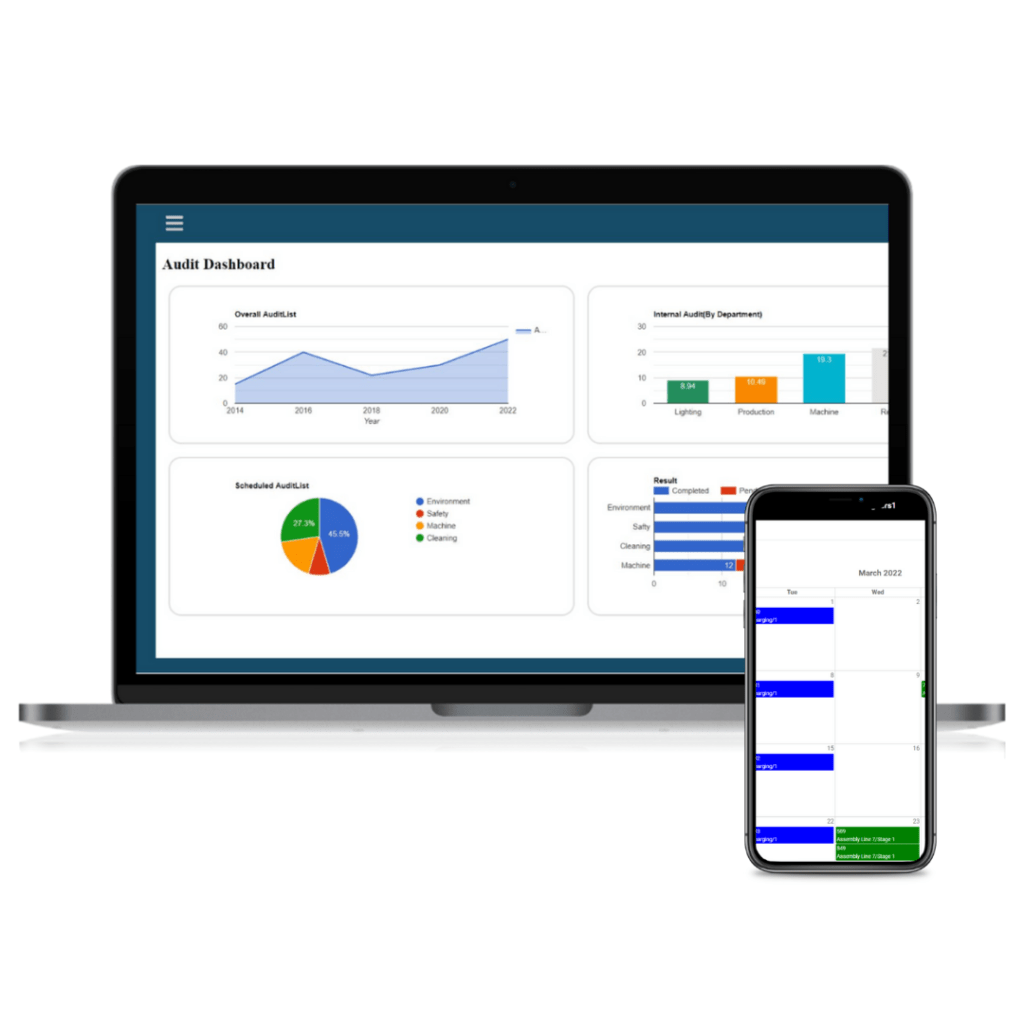
Safety officials, managers, and frontline employees utilize workplace safety applications to conduct safety audits, identify risks, and report on corrective actions. A safety inspection app should be simple to use, capture detailed photo proof etc.,

Importance of Safety Audit

The features you will get from digital safety audits:

☑ Easy checklist creation

☑ Custom scheduled audit assignments

☑ Smart corrective actions with active monitoring

☑ Automatic report generation

☑ Get timely reminder for audits

☑ Mobile safety inspection app

Look for Audit Management Software that stores all of your important safety documents in one place and allows you easy access to them during an audit.

Safety Audit Management Software FAQ

What is safety audit management software?
Safety audit management software is a digital tool used to plan, execute, and track safety audits within an organization. It helps manage audit checklists, record findings, assign corrective actions, and generate reports, all in one centralized platform.
Why is safety audit management software important?
It is important because it eliminates manual paperwork, improves audit accuracy, and ensures timely completion of safety inspections. Digital audit systems help organizations save time, reduce costs, and maintain consistent compliance with safety regulations.
How does audit management software improve compliance?
Audit software improves compliance by automating audit schedules, tracking regulatory requirements, and ensuring corrective actions are completed on time. It provides real-time visibility into audit status and helps organizations stay audit-ready at all times.
What are the key features of safety audit software?
Key features include customizable audit checklists, automated scheduling, real-time reporting, mobile inspection capabilities, corrective action tracking, and reminders for upcoming audits. These features help streamline the entire audit process.
Can safety audits be performed remotely using software?
Yes, modern safety audit software supports remote access through mobile devices and cloud platforms. Teams can perform audits, capture data, and upload findings from anywhere, improving efficiency and reducing delays.
How does safety audit software improve workplace safety?
It improves workplace safety by identifying hazards early, tracking corrective actions, and ensuring continuous monitoring of safety practices. This proactive approach helps prevent incidents and strengthens the overall safety culture within the organization.
Industry 4.0

Industry 4.0 technologies with a real-world

What is Industry 4.0?

In order to understand what Industry 4.0 is, we must understand the concept that defines it. Nowadays, digital means are being used to connect domains, making it easier to relay & process system information. As a result, products and means of production can communicate, which makes the output more efficient, optimizes processes, and creates added value.

Industry 4.0 refers to the modern phase of the industrial revolution that focuses on automation, machine learning, real-time data, and interconnectedness. As a result, it is dramatically altering how businesses operate, leading to rapid changes in resourcing, technology, and capital investments.

Manufacturing and supply chain management (smart machines) are enabled by the integration of physical production and operations with technology.

Why Industry 4.0?

In Industry 4.0, a self-organized production environment is achieved through the interaction between humans, machines, production lines, software systems, such as MES and ERP, and the products themselves in real-time.

In comparison with previous industrial revolutions, Industry 4.0 is more complex. It is composed of advanced processes, cutting-edge technology, and methods to ensure communication among them.

Which smart industry service provider is best?

Industry 4.0 aims to create real-time value by automating end-to-end processes. With the help of Industry 4.0 technology, thousands of companies are reinventing their digital supply chains – focusing on customers and connecting their entire organization. The use of Industry 4.0 technology provides manufacturers with the ability to connect what were once separate processes across the organization to provide a more transparent, visible, and useful view.

Yes, we are living in the digital world. Every industry is willing to transform its industries. But very few industries have achieved this by implementing digitization with the right guidance.

Softdesigners-Digital transformation experts are a young, innovative team and successfully implemented digitization technologies in pan India and the US.

How soft designers are best in Industry 4.0 technologies?

Internet of Things (IoT): The manufacturing units can generate data from their machines and processes for predictive maintenance and enhanced efficiency by utilizing sensors, and automation systems.

Cloud Computing: By using cloud technology, industries can create an environment of digital integration and collaboration. Using cloud computing, one can exchange data in real-time, connect people, and get real-time visibility. A cloud solution also provides companies with better flexibility, increased production capacity, and improved controls of costs as well as improving the efficiency of manufacturing processes and supply chains.

Artificial Intelligence and Machine Learning: AI or Machine learning is the utilization of algorithms to analyze data and generate conclusions that are not programmed by humans. These machines learn from data in order to make more accurate predictions over time.

Augmented Reality: In augmented reality, sensory input is overlaid onto the real world, usually visually.

industry 4.0

Do you want to know more about how Soft Designers have implemented these technologies?

Benefits of industry 4.0:

industry 4.0

Improves operational efficiency

Emerging industry 4.0

Enhances worker safety

industry 4.0

Creates new business opportunities

Emerging industry 4.0

Increases understanding of customer demand

industry 4.0

Improves manufacturing productivity

Emerging industry 4.0

Boosts product innovations

The Industrial 4.0 revolution has already begun. If organizations do not embrace it, they will be disrupted. By 2023, artificial intelligence will provide significant competitive advantages to businesses in all industries. A fourth industrial revolution will transform organizations and the way we work, allowing for new ways to design their operations.