Category: Andon system

AndonAndon system

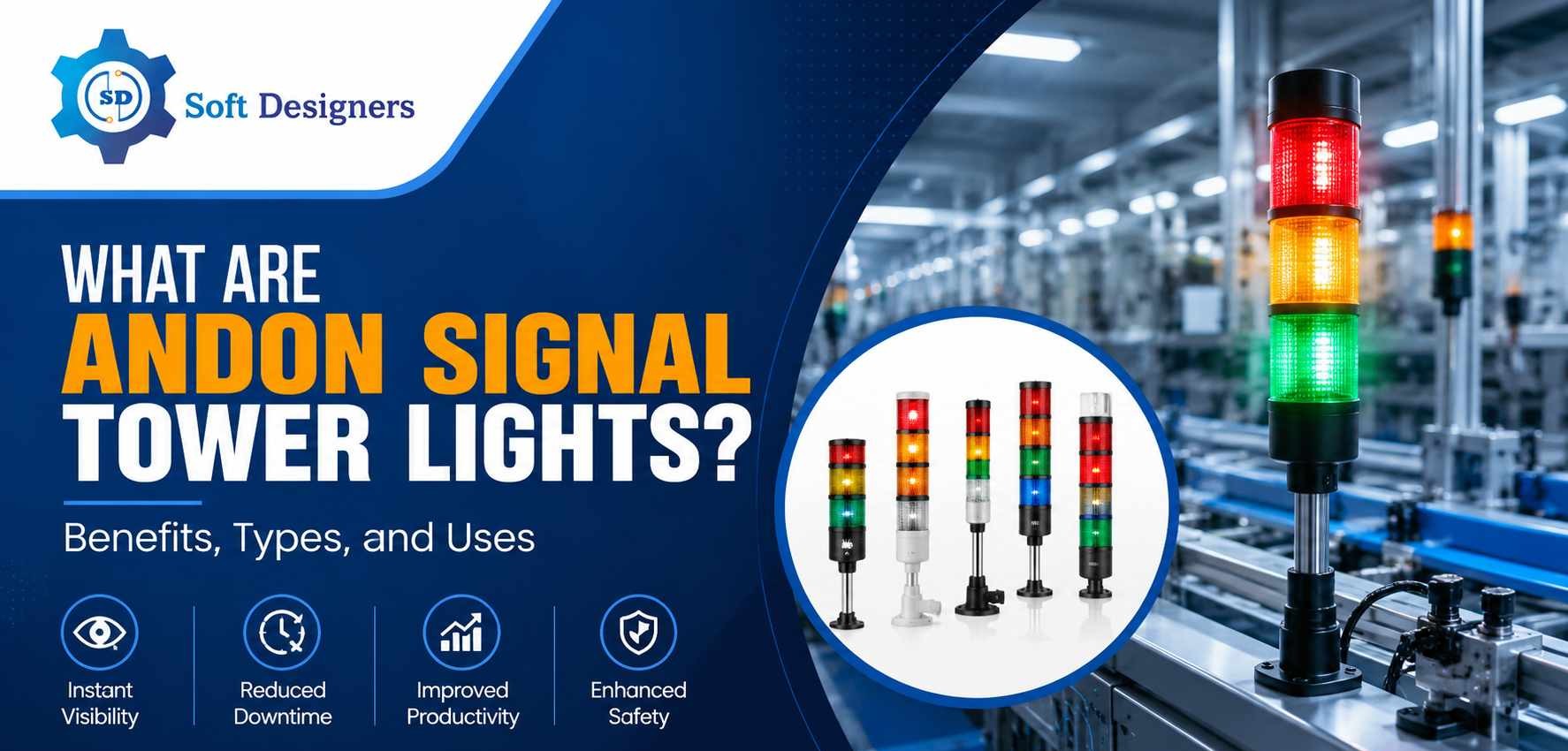
What Are Andon Signal Tower Lights? Benefits, Types, and Uses

In modern industrial environments, maintaining smooth production flow is critical for achieving efficiency, reducing downtime, and meeting customer demands. Even a small machine failure or operational delay can interrupt the entire production process and lead to financial losses. Because of this, industries rely on visual communication systems that help operators and supervisors quickly identify problems and respond immediately. One of the most effective solutions used for this purpose is the Andon Signal Tower Light.

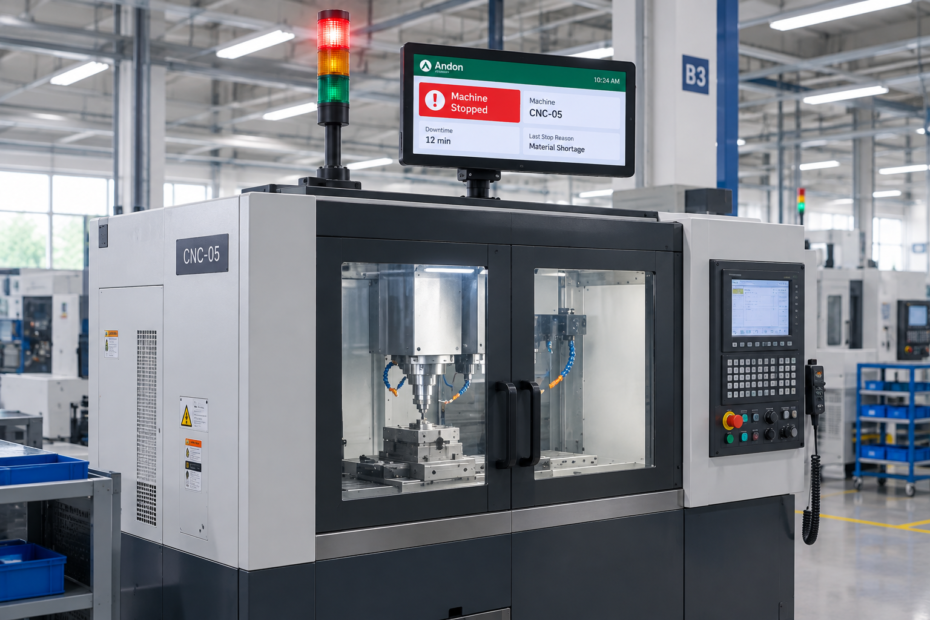
Andon tower lights are commonly installed on machines, production lines, assembly stations, and industrial equipment. These signaling devices provide instant visual information about machine status, operational conditions, and production performance. Their simple yet highly effective design allows industries to improve communication, reduce response time, and maintain better control over factory operations. As manufacturing continues to evolve toward automation and Industry 4.0, Andon systems have become an essential part of smart factory infrastructure.

What Are Andon Signal Tower Lights?

Andon Signal Tower Lights are industrial signaling devices used to visually display the operating condition of machines, workstations, or production lines. The term “Andon” originates from the Japanese manufacturing system introduced by Toyota as part of lean manufacturing practices. The primary purpose of an Andon system is to alert operators and supervisors whenever there is a production issue, machine fault, or process interruption.

A typical Andon tower light contains multiple colored LED lights stacked vertically. Each color represents a specific operational condition. Green generally indicates normal machine operation, yellow or amber signals a warning or attention requirement, and red indicates a fault or machine stoppage. Some systems may also use blue or white lights for maintenance requests, quality checks, or material shortages.

These lights are connected to machines, sensors, PLC systems, or industrial software platforms. Whenever the machine condition changes, the corresponding light activates automatically. In many industrial environments, tower lights are also combined with audible alarms or buzzers to ensure alerts are noticed immediately.

Importance of Andon Tower Lights in Industrial Operations

In large manufacturing facilities, monitoring every machine manually is difficult and time-consuming. Without a proper signaling system, identifying operational issues can take longer, leading to increased downtime and reduced productivity. Andon tower lights solve this problem by providing real-time visual communication throughout the production floor.

One of the biggest advantages of the Andon system is instant visibility. Supervisors and operators can identify machine conditions from a distance without stopping operations for inspection. If a machine stops unexpectedly, the warning light immediately alerts the responsible team, allowing faster corrective action.

Andon tower lights also help improve production efficiency. Since problems are identified quickly, maintenance teams can reduce response time and minimize production delays. Faster issue resolution helps maintain continuous workflow and prevents operational bottlenecks.

Another major benefit is improved workplace safety. In hazardous industrial environments, Andon systems can provide emergency alerts, warning signals, or fault indications that help workers respond to dangerous conditions more effectively. Flashing lights and audible alarms ensure that important alerts are noticed even in noisy production areas.

These signaling systems also support better communication between departments. Production teams, maintenance staff, quality inspectors, and supervisors can all understand machine conditions instantly without relying on verbal updates. This improves coordination and helps maintain smoother factory operations.

Types of Andon Signal Tower Lights

Different industries use different types of Andon tower lights depending on operational requirements, machine configurations, and automation levels.

1. LED Tower Lights

LED tower lights are the most widely used signaling devices in modern industries. They offer high brightness, long operational life, low power consumption, and minimal maintenance requirements. Their durability makes them ideal for continuous industrial operations.

2. Stack Lights

Stack lights contain multiple colored modules arranged vertically to display several machine conditions simultaneously. These lights are commonly used on assembly lines, CNC machines, packaging systems, and automated production equipment.

3. Audible and Visual Tower Lights

These systems combine flashing signal lights with alarms or buzzers. They are especially useful in noisy manufacturing environments where visual alerts alone may not be sufficient to attract attention during emergencies or machine failures.

4. Wireless Andon Tower Lights

Wireless Andon systems use Wi-Fi or RF communication to transmit machine status information without complex wiring. These solutions are easier to install and are widely used in flexible manufacturing environments and smart factories.

5. Smart IoT-Enabled Andon Lights

Advanced Andon systems integrate with IoT platforms, SCADA systems, MES software, and cloud dashboards. These intelligent systems provide real-time monitoring, analytics, predictive maintenance support, and remote machine visibility.

Applications of Andon Tower Lights

Andon Signal Tower Lights are used across a wide range of industries because they improve communication, operational visibility, and production control.

1. Manufacturing Plants

Manufacturing facilities use Andon tower lights to monitor machine performance, detect equipment failures, and track production status. Operators can quickly identify machine stoppages, overheating, or maintenance requirements, helping improve productivity and reduce downtime.

2. Automotive Industry

Automotive assembly lines depend heavily on Andon systems to maintain continuous production flow. Tower lights help identify workstation issues, assembly line interruptions, and quality concerns before they affect the entire manufacturing process.

3. Warehousing and Logistics

Warehouses use Andon tower lights to monitor conveyor systems, packaging operations, and material handling equipment. Visual alerts help workers identify operational delays, equipment faults, and workflow bottlenecks quickly.

4. Pharmaceutical Industry

In pharmaceutical manufacturing, Andon systems help monitor production equipment, cleanroom operations, and process status. These systems support compliance, quality control, and operational accuracy.

5. Food and Beverage Industry

Food processing plants use tower lights to monitor machine conditions, packaging operations, and hygiene cycles. Signal lights help operators quickly identify process interruptions that could impact production quality or food safety standards.

6. Electronics Manufacturing

Electronics manufacturers use Andon systems to monitor PCB assembly lines, automated testing stations, and precision manufacturing equipment. Real-time alerts help reduce defects and maintain consistent product quality.

7. CNC and Machine Shops

CNC machines use tower lights to indicate machine status, tool changes, operational faults, and maintenance requirements. Operators can monitor multiple machines simultaneously, improving shop floor efficiency.

8. Packaging Industry

Packaging facilities use Andon systems to monitor filling machines, labeling systems, and packaging equipment. These lights help reduce delays caused by jams, material shortages, or machine failures.

9. Smart Factories

Modern smart factories integrate IoT-enabled Andon systems with manufacturing software for centralized monitoring and predictive maintenance. These advanced solutions provide better production visibility and support data-driven decision-making.

10. Assembly Lines

Assembly lines use Andon tower lights to indicate production status, operator assistance requests, material shortages, and quality inspection requirements. This improves coordination between operators, maintenance teams, and supervisors.

Andon Tower Lights and Industry 4.0

With the growth of Industry 4.0 and industrial automation, Andon systems are becoming more intelligent and connected. Traditional tower lights are now integrated with advanced monitoring platforms, industrial IoT systems, and cloud-based dashboards.

Modern Andon solutions can send alerts directly to maintenance teams, supervisors, or mobile devices whenever machine abnormalities occur. Managers can remotely monitor production performance, analyze historical machine data, and identify recurring operational problems.

These capabilities support predictive maintenance strategies where potential equipment failures are identified before they cause major downtime. As a result, industries can improve operational reliability, reduce maintenance costs, and increase overall equipment efficiency.

Conclusion

Andon Signal Tower Lights have become an essential part of modern industrial operations. Their ability to provide instant visual communication helps industries improve productivity, reduce downtime, enhance safety, and maintain smoother production flow.

From manufacturing plants and automotive assembly lines to warehouses and smart factories, Andon systems play a critical role in improving operational visibility and faster decision-making. As industries continue adopting automation and Industry 4.0 technologies, intelligent Andon signaling systems will become even more important for efficient factory management.

Businesses looking to strengthen production monitoring, improve machine communication, and increase operational efficiency can greatly benefit from implementing Andon Signal Tower Lights as part of their industrial automation strategy.

Frequently Asked Questions

Learn more about Andon Signal Tower Lights, their functionality, benefits, and industrial applications in modern manufacturing environments.

Andon Signal Tower Lights are industrial visual signaling devices used to indicate machine status, production conditions, and operational alerts in manufacturing environments. These lights help operators and supervisors identify issues quickly and improve production efficiency.

Different colors indicate different machine conditions. Green usually means normal operation, yellow or amber indicates a warning, and red signals a fault or machine stoppage. Additional colors may represent maintenance requests, material shortages, or quality inspections.

Andon tower lights are widely used in manufacturing plants, automotive assembly lines, warehouses, pharmaceutical industries, food processing facilities, electronics manufacturing, and smart factories for real-time operational monitoring.

Andon tower lights improve communication, reduce machine downtime, increase productivity, enhance workplace safety, and help teams respond quickly to production issues. They also support lean manufacturing and Industry 4.0 initiatives.

Yes, modern Andon systems can integrate with IoT platforms, MES software, SCADA systems, and cloud dashboards to provide real-time monitoring, remote alerts, analytics, and predictive maintenance support.

AndonAndon system

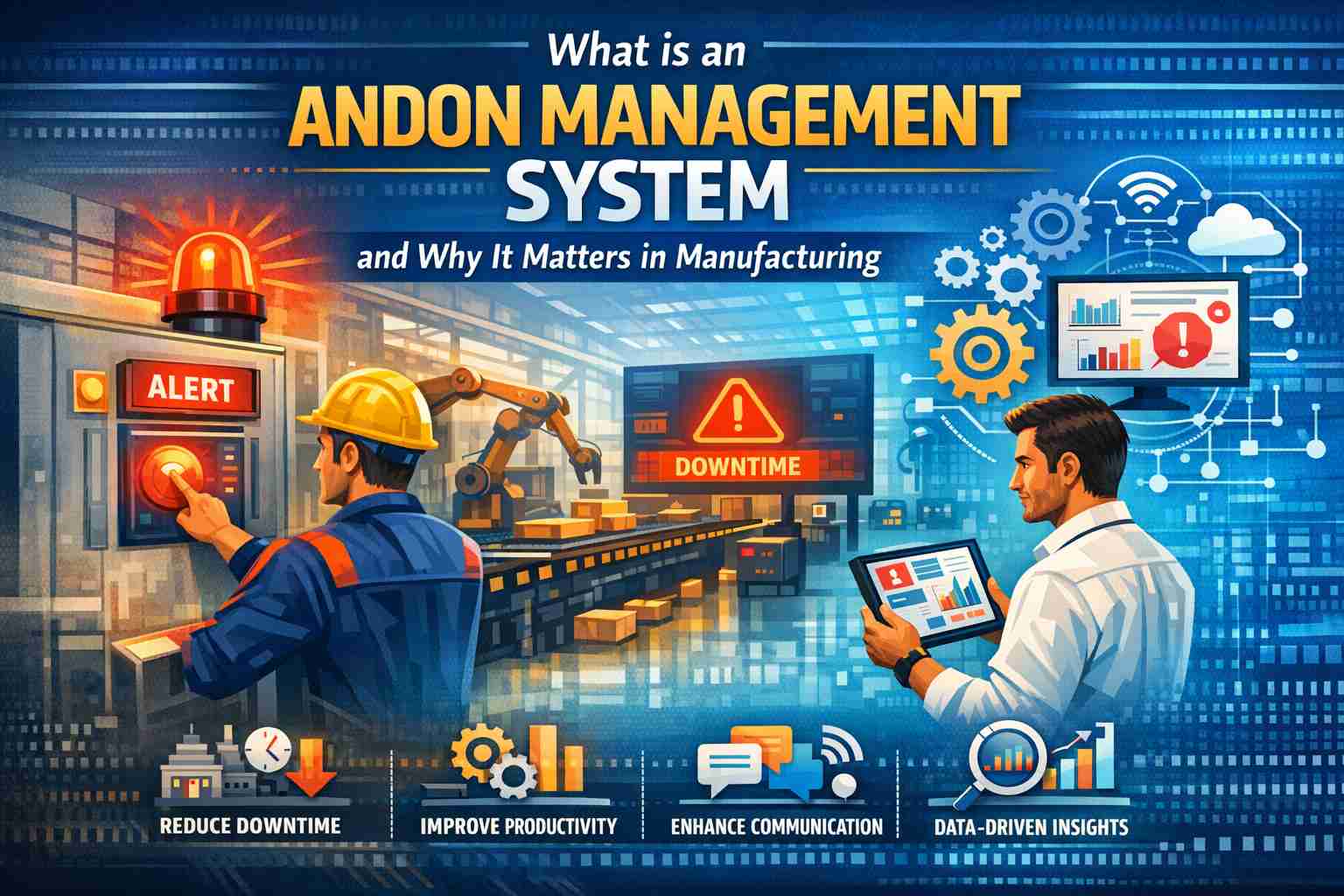
What is an Andon Management System and Why It Matters in Manufacturing

In today’s fast-paced manufacturing environment, unexpected downtime can cause significant losses in production and, ultimately, delayed deliveries, just from a few minutes of downtime. Unfortunately, many manufacturing plants also suffer from delays due to communication and manual reporting, as well as limited visibility in real time on their shop floors, as a result of these problems, they both reduce their efficiency as well as impact their product quality and overall profitability.

This is where an andon management system becomes a game-changing solution. It helps manufacturers detect issues instantly, improve communication between teams, and take immediate action. With the rise of smart factories, adopting a digital andon system powered by advanced andon system software is no longer optional; it has become a necessity for staying competitive.

What is an Andon management system?

An Andon management system is a real-time monitoring and alert system used in manufacturing to track production status and highlight issues as they occur. It allows operators to notify supervisors instantly whenever there is a problem in the production process.

Earlier, an andon system relied on visual signals like lights or alarms. However, modern businesses now use a digital andon system that offers automated notifications, real-time insights, and data-driven decision-making through andon software

How Does an Andon System Work?

An andon system works by continuously monitoring production lines, machines, and operator inputs. When a problem arises, the system triggers an alert for immediate attention.

  • Operators raise alerts manually or systems detect faults automatically
  • Supervisors take quick action to resolve any issue
  • Notifications are sent instantly through screens or mobile devices
  • All data is stored in the andon software for analysis

With efficient andon system software, this entire process becomes faster, more accurate, and more reliable.

Key Benefits of Andon Management System

Reduces Downtime

An andon management system ensures fast identification and resolution of issues, reducing production delays.

Improves Productivity

A well-implemented andon system keeps operations running smoothly and improves overall output.

Enhances Communication

A digital andon system bridges the communication gap between operators, teams, and management.

Enables Data-Driven Decisions

Using insights from andon software, companies can identify patterns and prevent recurring issues

Why Digital Andon System is Important

Features of Andon System Software

Modern andon system software includes the following:

  • Real-time monitoring of production
  • Instant alerts and notifications
  • Custom dashboards for performance tracking
  • Historical data analysis
  • Easy integration with existing systems

These features make andon software highly effective in improving operational performance.

Conclusion

Implementing an Andon Management System is critical to improving visibility, reducing downtime, and providing a faster response to production issues in today’s manufacturing environment. An effective Andon System allows teams to identify problems immediately and take action before overall operational efficiency is impacted. The growing trend towards Smart Factories means adopting a Digital Andon System will help companies streamline internal communications, monitor performance in real-time and make data-driven decisions regarding operation improvements.

Organizations like SoftDesigners help manufacturers implement cutting-edge solutions to improve their operations and their productivity. The modern approach to Andon Systems must be not only a tool but also an investment that becomes a strategic asset to ensure that companies have the capabilities to develop quality products and remain competitive in a fast-paced environment. If your objective is Operational Excellence, then investing in the proper Andon Management System solution is an intelligent and forward-thinking investment for long-term growth.


FAQs About Andon Management System

What is the main purpose of an andon management system?
The main purpose of an andon management system is to provide real-time visibility into production processes and enable quick response to issues, ensuring minimal downtime and improved efficiency.
How is a digital andon system different from traditional systems?
A digital andon system offers automation, real-time data analytics, alerts, and remote monitoring, whereas traditional systems rely on manual signals and lack advanced tracking capabilities.
Can andon software integrate with existing systems?
Yes, most modern andon software can seamlessly integrate with ERP, MES, and other manufacturing systems to ensure smooth data flow and improved operational efficiency.
Is andon system software suitable for small manufacturers?
Yes, andon systems are scalable and can be customized to suit small, medium, and large manufacturing units, making them accessible for businesses of all sizes.
How quickly can an andon system be implemented?
Implementation time depends on the complexity and customization required, but a basic andon system can typically be deployed within a few weeks.
Andon systemARsmart manufacturing

Andon Systems and AR: Transforming Manufacturing

Introduction:

To revolutionize your industries the digital transformation as embraced the software system in manufacturing industries with integration of Augmented Reality(AR) based Andon systems which has flourished the intercommunication within the tools and machines through enhancing productivity and reducing the downtime and leverage the analytics with automated escalation and delegation to maintain qualitative production system.

ANDON SYSTEM IN MANUFACTURING:

Andon systems display on the production monitoring board about the production activity and identifies the action required problem area. It facilitates communication between the workers and senior department with digital signage on the production floor and Andon lights.

The Andon system indicates the production targets and displays production achieved in the real time; it enables production count and enhances  the efficiency then also tracks the machine status.

Andon Systems and AR in Manufacturing Industry:

AR powered Andon systems provides cutting edge augmented reality solutions to manage and maintain the production line with revolutionized technology  to reduce downtime with continuous increased production and efficiency.

ar andon system

The integration of AR in the Andon system evolves the transition in the workforce with a proactive, responsive and streamline functioning level in the production floor.

  • It reduces downtime to increase productivity and efficiency
  • It displays the product name been in production process
  • It enables product count 
  • It analyze the machine status 
  • It identifies the problematic area in production house and provide real time alerts and monitoring to the concerned personnel

The future benefits of AR integration in Andon system:

  1. Digital twin: The digital twin empowers with the connection of physical shop floor and digital dynamic work environment which facilitates increased production and enables the workers to accomplish the targets by reducing overlapping work.
  1. Instant Visibility: The connection of digital twins provides real time insights with alerts and notification of multiple production units at one place to  improve effectiveness among the workers. It synergy between virtual realms and tangible machines.
  1. Quick troubleshooter: The automated alert and monitoring system enables the worker to perform corrective work through the study of display board and machine status are analyzed about the condition working or not working if any failure of working machine advance alerts will be provided to the concerned person for immediate intervention the problem will be solved quickly saves money and time 

CONCLUSION

AR transformed the automated Andon system in manufacturing industry to improve the effectiveness of workers and efficient working of machinery by enabling tracking the production activity of targets that should do to achieve this transition mainly focus on improvising the production by reducing downtime which enhances the manufacturing concern with smart factories with digital solution. 

Andon systemAR

Andon Systems in Manufacturing Industry

Visualize, Identify, Resolve: AR-Driven Andon Systems in Manufacturing:

Introduction:

In today’s fast-paced manufacturing environment, efficiency and productivity are paramount. To meet the demands of modern production, businesses are turning to innovative solutions such as Augmented Reality (AR) to optimize their operations. One area where AR is making significant strides is in Andon systems, which play a crucial role in identifying and resolving issues on the production line promptly.

Traditionally, Andon systems have been a staple in manufacturing, providing a visual management tool to alert operators and supervisors of any problems that arise during production. These systems typically involve physical lights or displays that indicate the status of the production line, allowing teams to respond quickly to issues and minimize downtime.

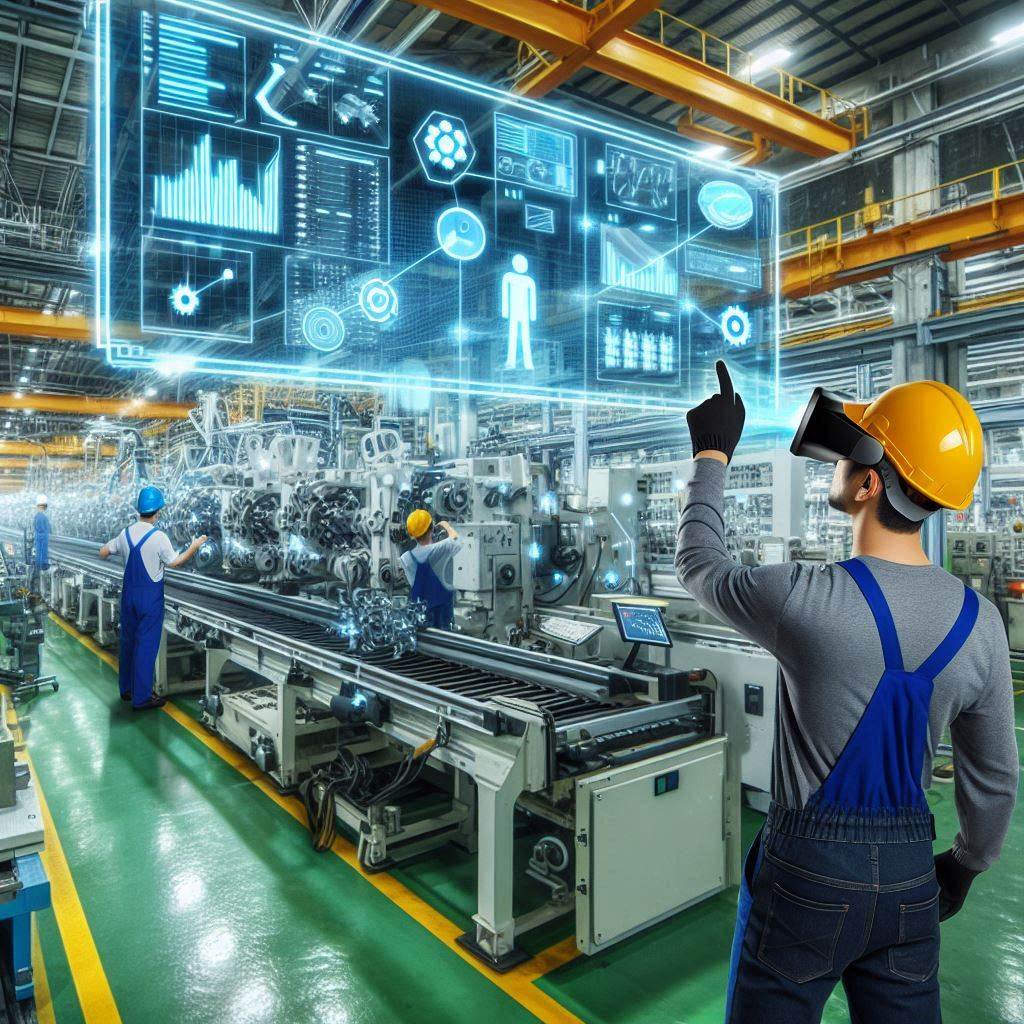
However, with the advent of AR technology, Andon systems are undergoing a transformation. AR-enabled Andon software overlays digital information onto the physical environment, offering a more intuitive and immersive way to visualize and manage production processes.

Let’s explore deeper into how AR-driven Andon systems are revolutionizing manufacturing:

1. Visualization: AR technology allows operators to visualize key production metrics and information overlaid onto the physical workspace. Through Tab or mobile devices, workers can see real-time data such as cycle times, production targets, and quality metrics directly within their field of view. This enhanced visualization helps operators stay informed and make data-driven decisions on the shop floor.

2. Identification: One of the primary functions of Andon systems is to quickly identify and alert personnel to issues on the production line. AR-enhanced Andon systems take this a step further by providing contextual information about the problem at hand. For example, when a machine malfunctions, AR overlays may highlight the affected equipment, display error codes, or provide troubleshooting instructions, empowering operators to identify issues more effectively.

3. Resolution: Provided with actionable data from the AR-enabled Andon system, operators may speed up the resolution process. Whether it’s accessing maintenance manuals, contacting support staff, or engaging with colleagues remotely, AR technology makes problem-solving faster, reduces downtime, and improves production efficiency.

4. Continuous Improvement: In addition to immediate problem resolution, AR-enabled Andon systems contribute to a culture of continuous improvement. By capturing data on downtime, error rates, and maintenance activities, these systems provide valuable insights for process optimization and root cause analysis. Over time, manufacturers can leverage this data to identify recurring issues, implement corrective actions, and drive ongoing improvements in production efficiency and quality.

Conclusion:

AR-driven Andon systems offer an important change in production, providing operators with improved vision, faster problem identification, and more efficient resolution methods. By harnessing the power of AR technology, businesses can improve operational efficiency, reduce downtime, and stay competitive in today’s dynamic market landscape. As the manufacturing industry continues to embrace digital transformation, AR-enabled Andon systems will undoubtedly play a pivotal role in shaping the factory of the future.

Andon systemAR

How AR Enhances Visibility in Andon Systems

Building Smarter Workflows: How AR Enhances Visibility in Andon Systems.

In today’s hectic manufacturing processes, visibility and efficiency are critical. Andon systems, which give shop floor workers real-time information and alarms, have long been the basis of lean manufacturing concepts. Nevertheless, as technology develops, there’s a chance to include Augmented Reality (AR) to improve these systems even more.

The Evolution of Andon Systems

ar_Andon software blog

Traditionally, Andon system consisted of simple visual signals, such as lights or boards, to indicate the status of production lines or machines. These systems allowed operators to quickly identify issues and take appropriate action to resolve them, minimizing downtime and improving overall productivity.

Introducing Augmented Reality

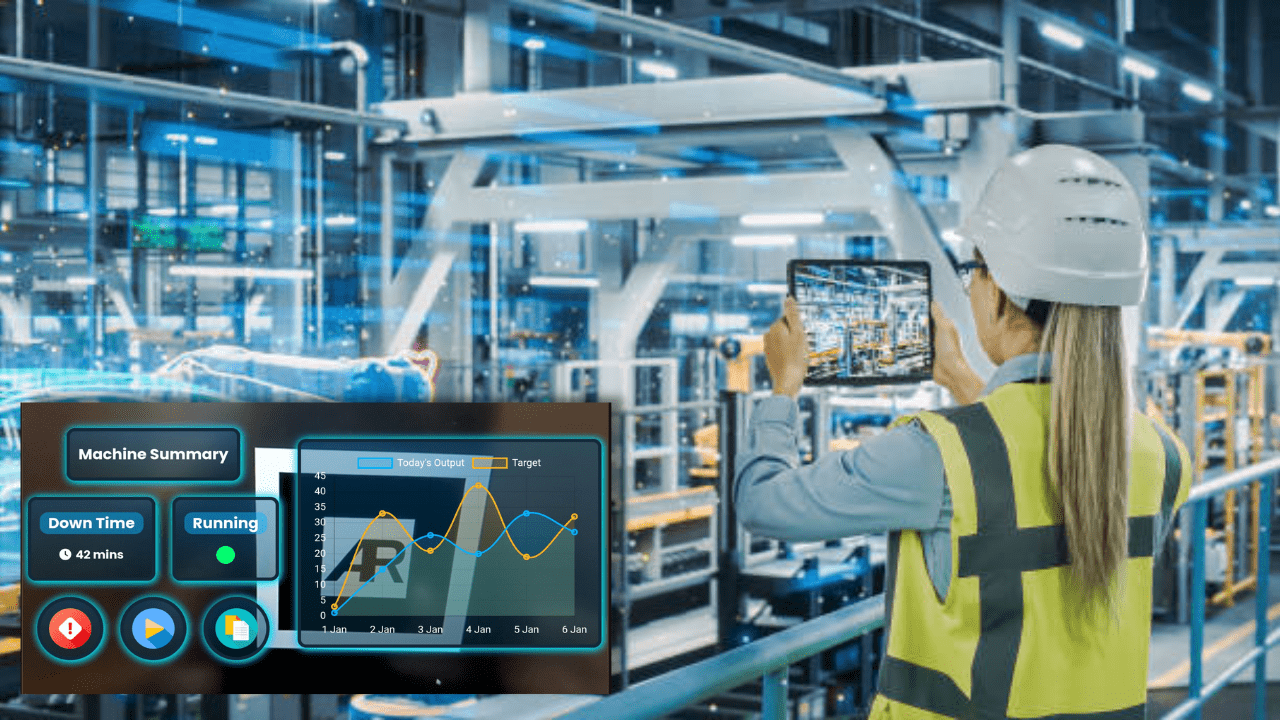
Andon system are advanced by augmented reality, which applies digital data on the real environment. Operators using AR-capable devices, including tablets or smart glasses, can overlay instructions and real-time data onto their environment. This improved visibility not only gives operators instant feedback on the condition of the equipment but also contextual information to help them with maintenance and troubleshooting tasks.

Enhancing Visibility

One of the key benefits of integrating AR into Andon system is the ability to enhance visibility across the entire production process. With AR overlays, operators can easily identify equipment that requires attention, view relevant metrics and performance indicators, and access instructional videos or documentation right at the point of need. This increased visibility enables faster decision-making and empowers operators to take proactive measures to prevent downtime and optimize production.

Improving Efficiency and Accuracy

Andon system with AR upgrades are also more accurate and efficient at solving problems. Operators can reduce errors and ensure consistent problem-solving techniques across teams by following step-by-step AR-guided procedures instead of depending just on written instructions or verbal communication. Furthermore, AR overlays can offer real-time data visualization, which enables operators to spot patterns or anomalies that might point to deeper problems that need to be addressed.

Empowering Operators with Knowledge

By integrating AR into Andon system, manufacturers can empower their operators with access to a wealth of knowledge and expertise. Whether it’s through interactive training modules, remote assistance from subject matter experts, or on-the-job guidance via AR annotations, operators have the resources they need to perform their tasks more effectively and confidently. This not only improves individual performance but also contributes to a culture of continuous improvement within the organization.

Conclusion

In conclusion, Augmented Reality represents a significant opportunity to enhance visibility and efficiency in Andon systems. By providing operators with real-time information, contextual guidance, and access to expert knowledge, AR-enabled Andon systems enable faster problem resolution, reduce downtime, and ultimately improve overall productivity. As manufacturers continue to embrace digital transformation, integrating AR into their workflows will be key to staying competitive in today’s rapidly evolving marketplace.

Ready to learn more about AR powered Andon System?